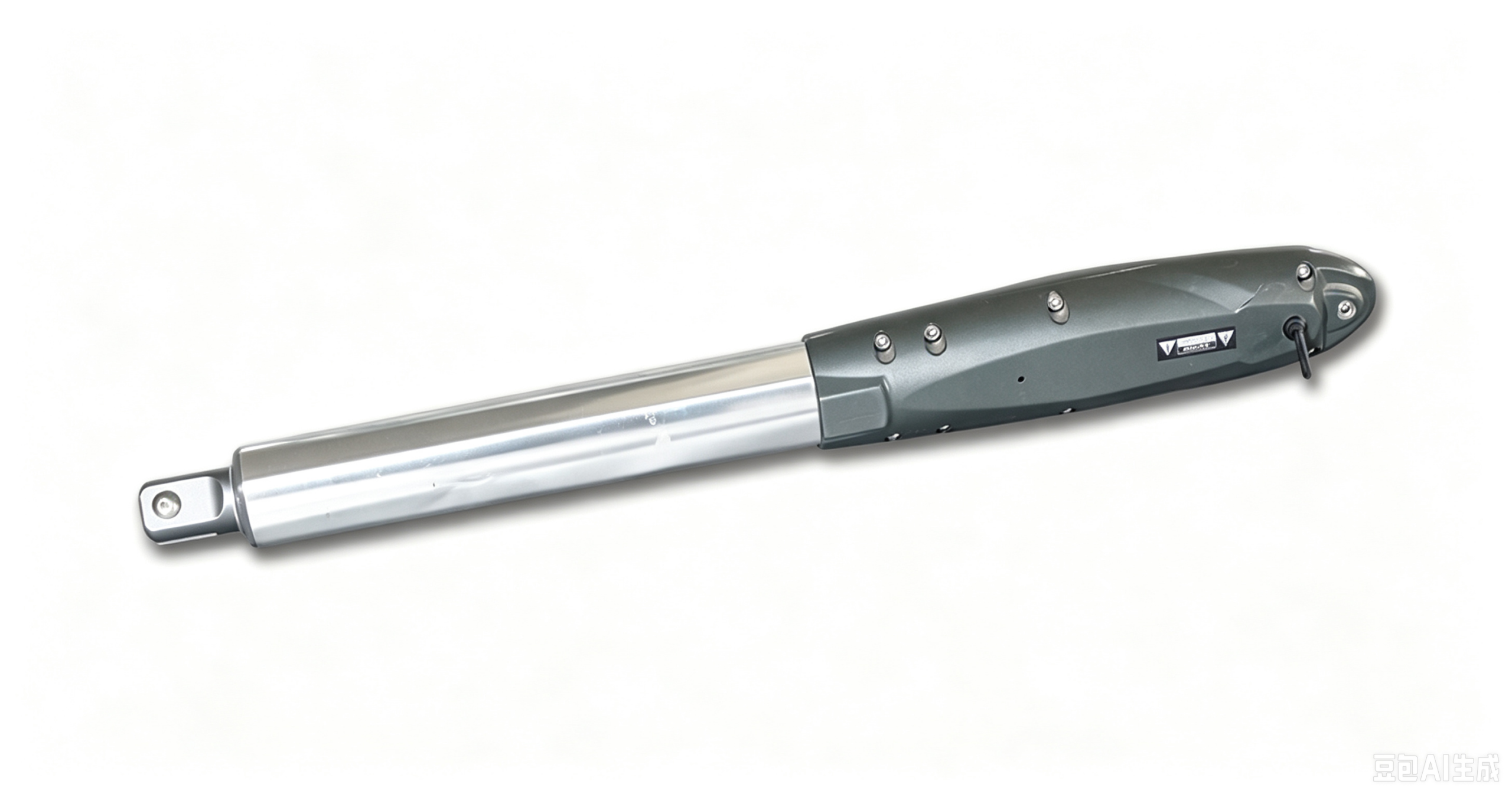
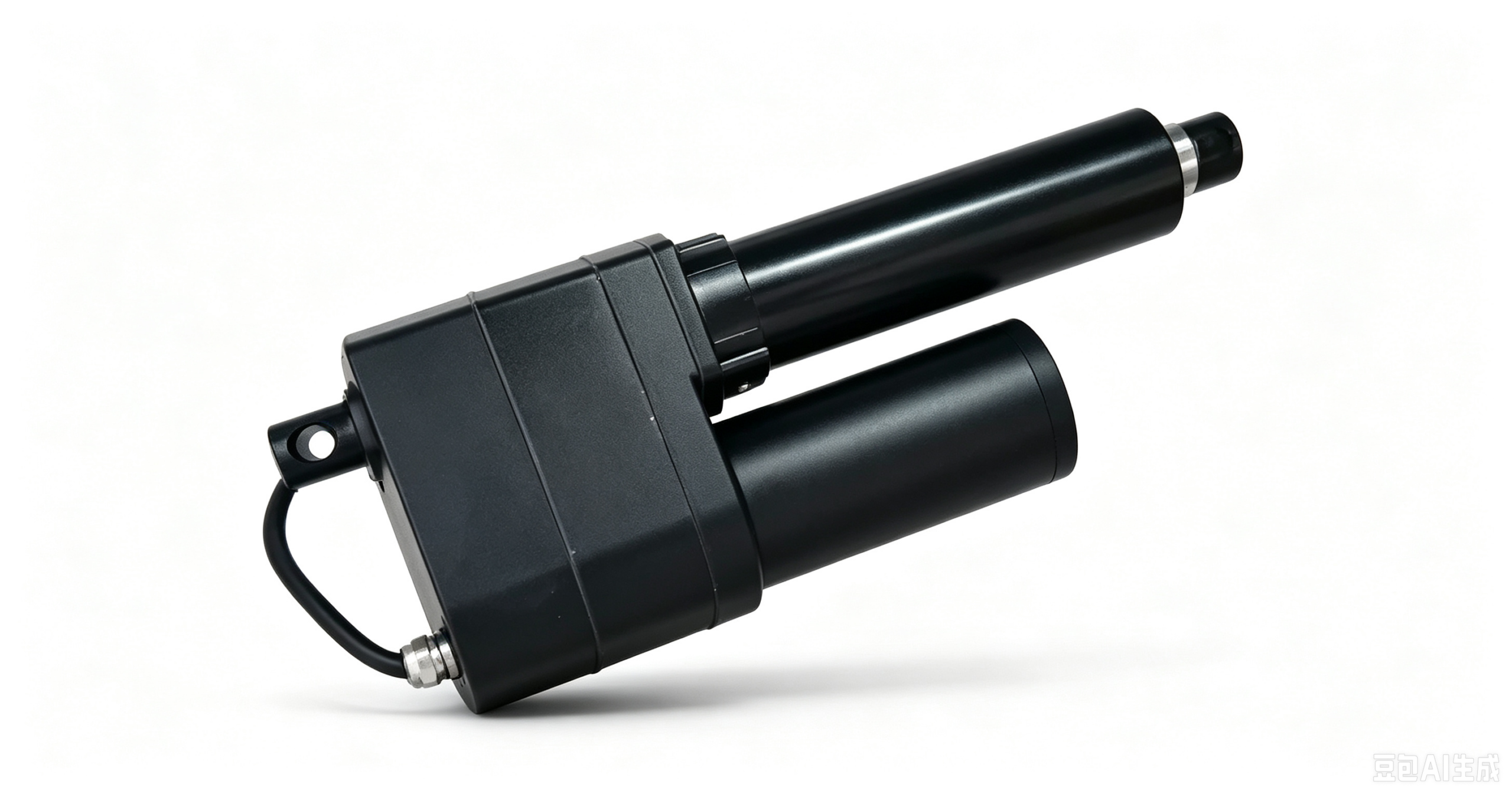
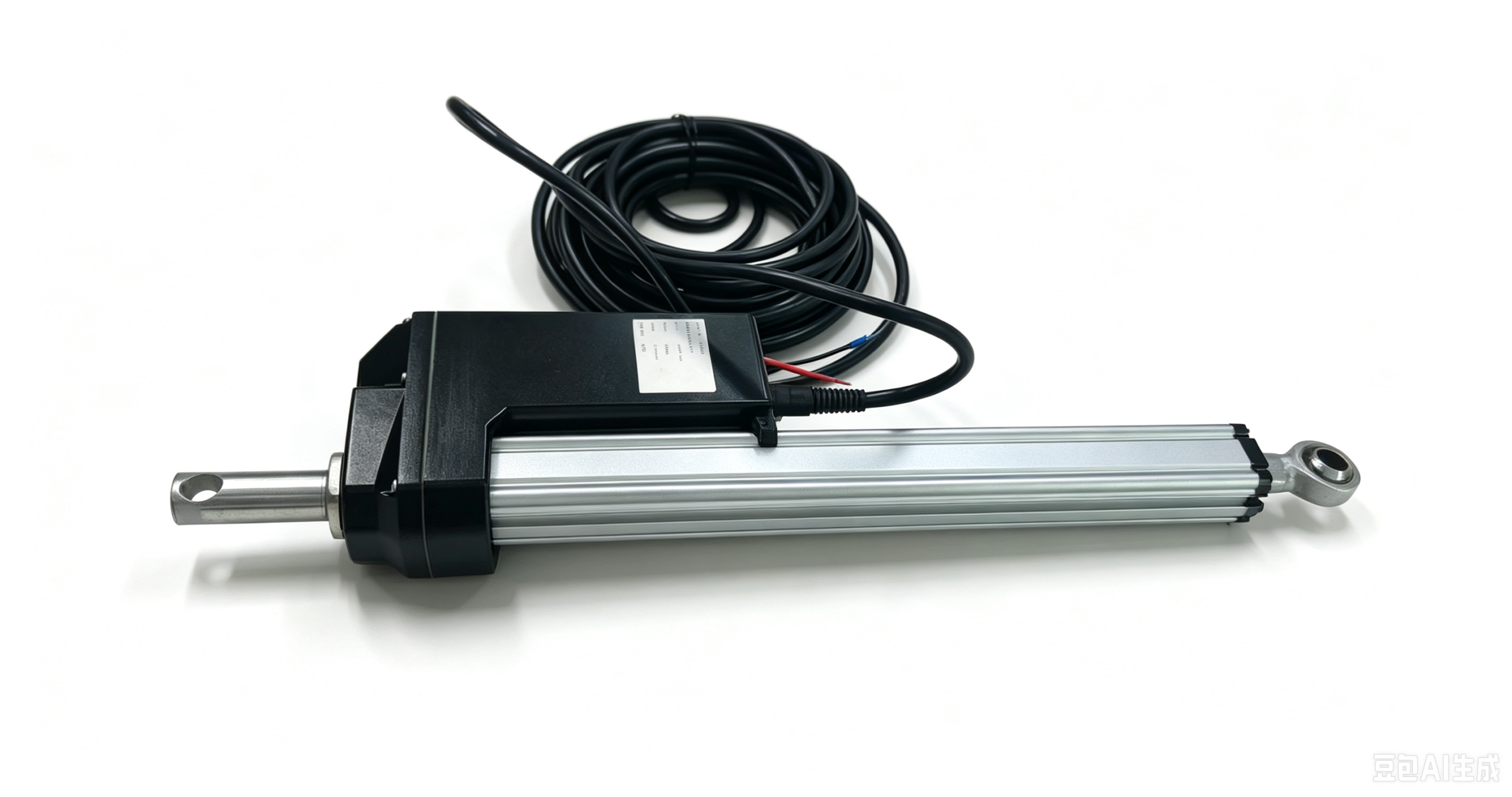
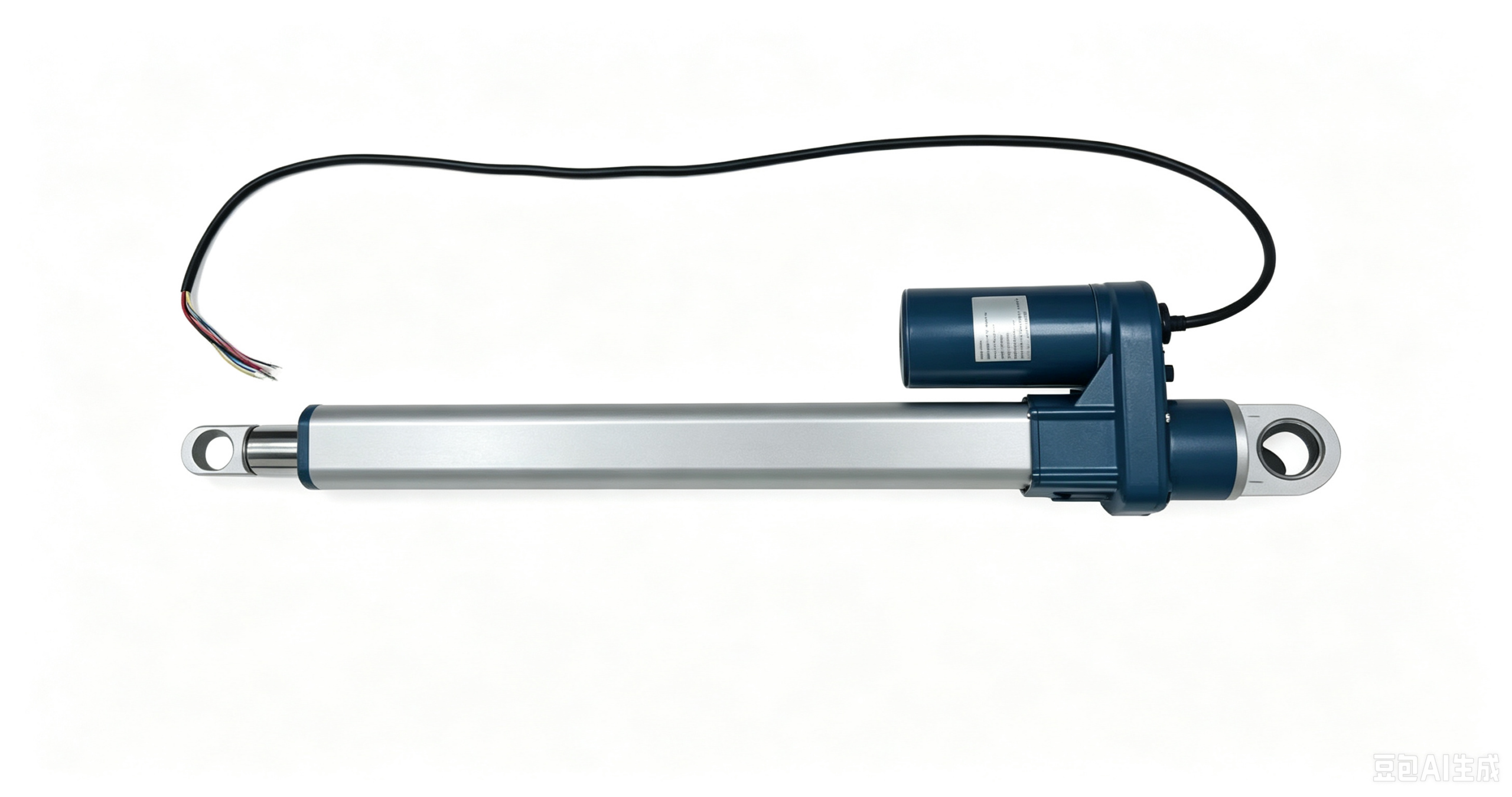
1. Industrial Robots and Robotic Arms
نظرة عامة والمتطلبات الفنية
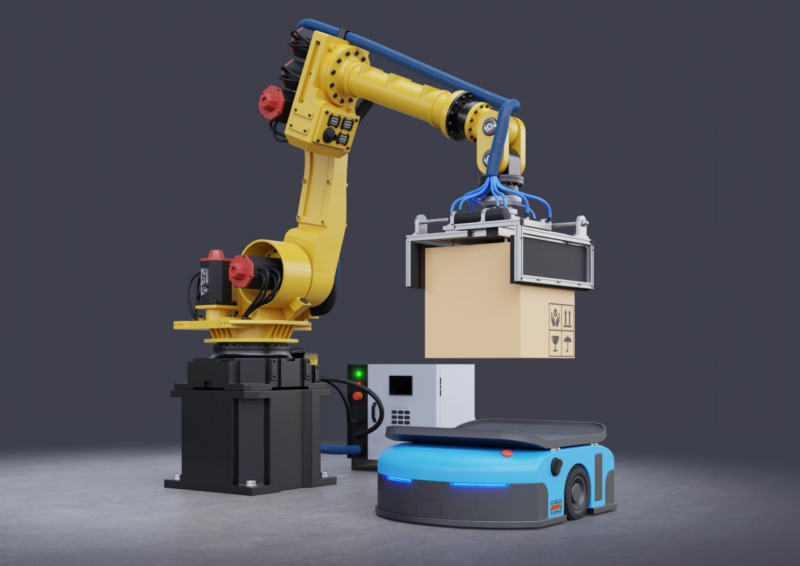
تُعد الروبوتات الصناعية أحد أكثر التطبيقات إثارةً من الناحية البصرية وأكثرها تعقيدًا من الناحية التقنية بالنسبة للمحركات الخطية الكهربائية. تعتمد الأذرع الروبوتية الحديثة — سواء كانت روبوتات مفصلية سداسية المحاور، أو أنظمة SCARA، أو الروبوتات التعاونية (cobots) — على التحكم الدقيق في الحركة عند كل مفصل. وفي حين تهيمن المشغلات الدوارة على العديد من تطبيقات المفاصل، تلعب المشغلات الخطية أدوارًا حاسمةً بنفس القدر في تصميم الروبوتات — لا سيما بالنسبة للمفاصل المنشورية، وآليات تمديد أداة التنفيذ النهائية، وتشغيل الملاقط.
المتطلبات الفنية لتطبيقات الروبوتات صارمة للغاية. يجب أن توفر المشغلات كثافة طاقة عالية لتقليل الكتلة المتحركة للروبوت إلى أدنى حد، وأن تتمتع بتكرار تحديد الموضع بشكل استثنائي (غالبًا في نطاق ±0.01 مم أو أفضل)، وأن توفر حركة سلسة وخالية من الاهتزازات لمنع التذبذب في هيكل الذراع. علاوة على ذلك، يجب أن تعمل مشغلات الروبوتات بشكل موثوق عبر ملايين الدورات مع الحد الأدنى من الصيانة، حيث إن وقت التعطل في خطوط الإنتاج الآلية قد يكلف آلاف الدولارات في الساعة.
التطبيق في أنظمة المحركات المشتركة والمؤثرات الطرفية
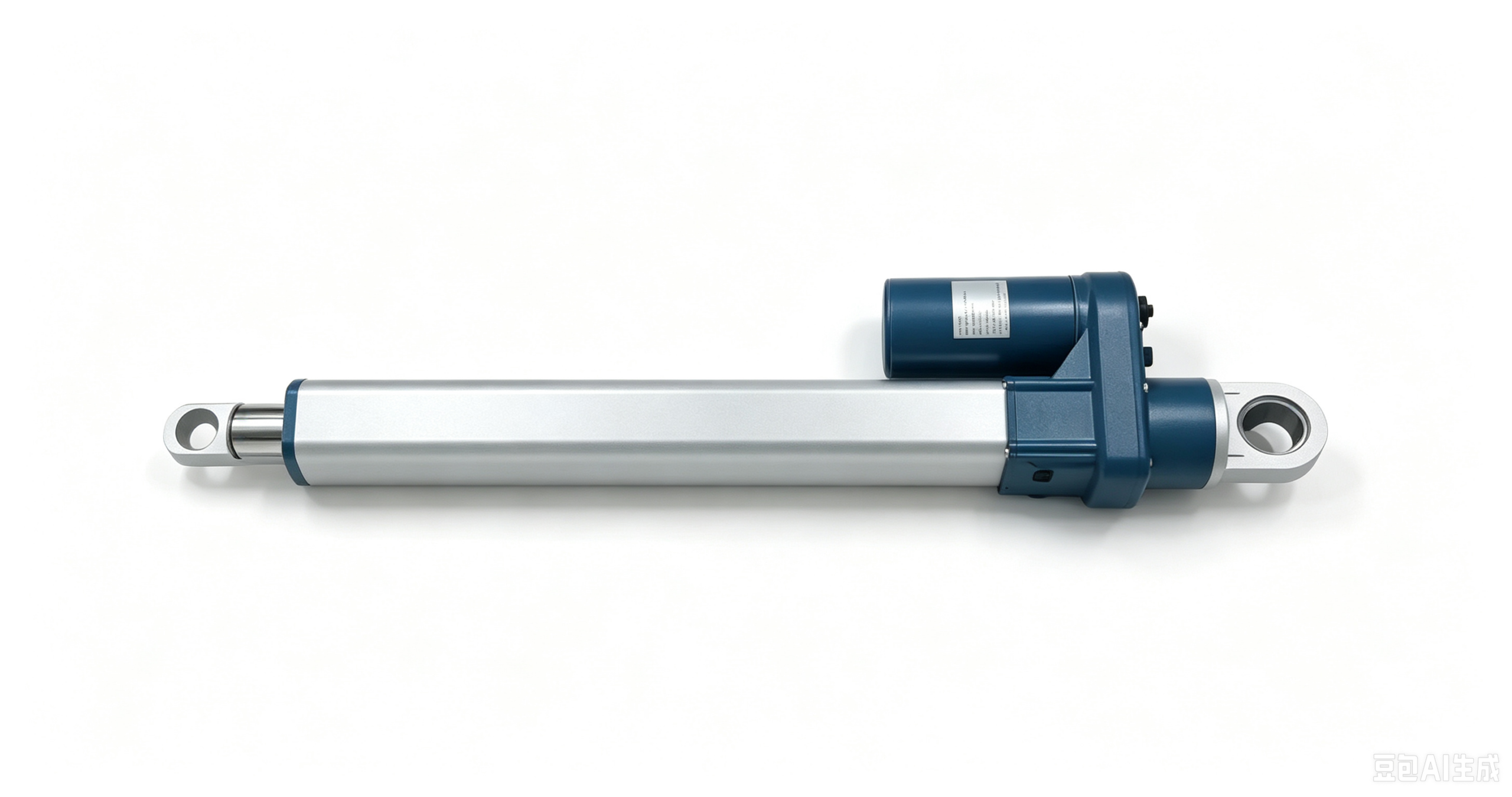
في الأذرع الروبوتية المفصلية، تُستخدم المشغلات الخطية بشكل متكرر في المفاصل المنشورية (الخطية) التي توفر قدرات التمدد الشعاعي أو الرفع الرأسي. على سبيل المثال، في الروبوت ذي الهيكل الجسري أو الروبوت ذي الإحداثيات الديكارتية، تشكل المشغلات الخطية العناصر الهيكلية والحركية الأساسية للمحاور X وY وZ. وغالبًا ما تستخدم هذه الأنظمة وحدات خطية تعمل بحزام أو ببرغي كروي يمكن أن تمتد لعدة أمتار مع الحفاظ على دقة تحديد الموضع.
يمثل «المؤثر النهائي» — أي الأداة أو الملاقط الموجودة في الطرف البعيد للروبوت — نقطة تطبيق حاسمة أخرى. تتيح المشغلات الخطية الكهربائية التحكم الدقيق في قوى فتح وإغلاق الملاقط، مما يسمح للروبوتات بالتعامل مع الأجسام الحساسة مثل المكونات الإلكترونية، أو القوارير الزجاجية، أو المنتجات الزراعية الطازجة دون إتلافها. وعلى عكس الملاقط الهوائية، التي توفر تحكمًا محدودًا في القوة وتتطلب بنية تحتية للهواء المضغوط، يمكن برمجة مشغلات الملاقط الكهربائية بملامح قوة محددة ومنحنيات سرعة وتسلسلات موضعية. وتعد هذه القابلية للبرمجة أمرًا ضروريًا في بيئات التصنيع المرنة حيث قد يتعامل الروبوت نفسه مع منتجات مختلفة تمامًا خلال نوبة إنتاج واحدة.
أمثلة على الحالات والممارسات المتبعة في القطاع
لنأخذ على سبيل المثال عملية تجميع محركات السيارات، حيث تقوم الروبوتات المزودة بمشغلات خطية كهربائية بإدخال المكابس في كتل الأسطوانات. يجب أن يوجه المشغل المكبس بدقة تقل عن المليمتر، مع توفير ردود فعل قوية في الوقت الفعلي للكشف عن أي اختلال في المحاذاة أو وجود عائق. وقد طورت شركات مثل MecVel Srl مشغلات خطية كهربائية متخصصة ومُحسّنة خصيصًا للتكامل مع الروبوتات، وتتميز بتصميمات مدمجة، وأعمدة مجوفة لإدارة الكابلات، وواجهات تركيب موحدة متوافقة مع العلامات التجارية الكبرى للروبوتات.
في صناعة الإلكترونيات، تستخدم آلات تركيب المكونات بتقنية التركيب السطحي (SMT) مشغلات خطية عالية السرعة لوضع رؤوس الالتقاط والتركيب فوق لوحات الدوائر الكهربائية. تعمل هذه المشغلات بتسارع يتجاوز 5g مع الحفاظ على دقة تركيب تبلغ ±0.05 مم. ويؤدي عدم وجود خطوط الهواء المضغوط إلى تبسيط تصميم الماكينة والقضاء على مخاطر التلوث في بيئات غرف الأبحاث النظيفة حيث يتم تصنيع أشباه الموصلات.
كما تستفيد الروبوتات التعليمية والبحثية من تكنولوجيا المشغلات الخطية الكهربائية المتاحة للجميع. ومن بين المنشورات التي تتناول هذا الموضوع: Circuit Cellar هناك مشاريع موثقة يقوم فيها الهواة والمهندسون ببناء أذرع روبوتية عاملة باستخدام مشغلات خطية كهربائية قياسية، مما يوضح كيف ساهمت هذه التكنولوجيا في إتاحة الوصول إلى الأتمتة الدقيقة للجميع. وغالبًا ما تستخدم هذه المشاريع التي يُنفذها الهواة مشغلات خطية تعمل بالتيار المستمر بجهد 12 فولت أو 24 فولت، مزودة بمقياس جهد أو نظام تغذية مرتدة يعمل بتأثير هول، ويتم التحكم فيها عبر منصات «أردوينو» أو «راسبيري باي»، مما يسد الفجوة بين الأنظمة الصناعية والأدوات التعليمية المتاحة للجميع.
يشير مسار تطور المشغلات الروبوتية نحو مزيد من التكامل. وتشمل الاتجاهات الحديثة دمج مستشعرات عزم الدوران، والمشفرات المطلقة، واتصالات EtherCAT مباشرةً في هيكل المشغل، مما يؤدي إلى إنشاء “مشغلات ذكية” تقلل من تعقيد الأسلاك وتتيح استخدام خوارزميات تحكم متقدمة مثل التحكم في المعاوقة وكشف التصادم. ومع تزايد انتشار الروبوتات التعاونية في أماكن العمل المشتركة بين البشر والروبوتات، فإن التحكم الدقيق في القوة الذي توفره المشغلات الخطية الكهربائية لم يعد مجرد ميزة، بل أصبح أمرًا ضروريًا للسلامة.
المنتجات المناسبة:
2. Industrial Valve Control

The Shift from Pneumatic and Hydraulic Actuation
Industrial valves serve as the critical control points in process industries, regulating the flow of fluids, gases, and slurries through pipelines in sectors ranging from oil and gas to water treatment, chemical processing, and power generation. Traditionally, valve actuation has relied heavily on pneumatic diaphragm actuators and hydraulic systems. However, the past decade has witnessed a significant migration toward electric actuation, driven by regulatory pressures for emissions reduction, the need for precise flow control, and the broader trend toward plant digitalization.
Electric valve actuators offer several distinct advantages over fluid-power alternatives. They eliminate the need for compressed air systems, which are notoriously energy-inefficient—studies indicate that only 10-15% of the energy consumed by air compressors translates into useful work, with the remainder lost to heat, leakage, and pressure drops. Electric actuators also provide superior positioning resolution, enabling modulating control where the valve must maintain intermediate positions with high accuracy rather than simply opening or closing.
Applications Across Valve Types
Electric linear actuators find application across the full spectrum of industrial valve types. In gate valves, which require linear motion to raise or lower a gate perpendicular to the flow path, electric actuators provide the substantial thrust needed to overcome line pressure and seat friction while offering precise position indication. Ball valves, which rotate a spherical closure member through 90 degrees, can be actuated by rotary electric actuators; however, many modern designs incorporate linear-to-rotary conversion mechanisms that leverage the high efficiency and controllability of linear electric actuators.
Control valves—perhaps the most demanding application—require continuous modulation to maintain process variables such as temperature, pressure, and flow rate at setpoints. Here, electric linear actuators with servo or stepper motors, coupled with high-resolution position feedback, can achieve positioning accuracy of 0.1% or better. The ability to program custom characterization curves (linear, equal percentage, quick opening) directly into the actuator controller eliminates the need for mechanical cam profiling and allows easy reconfiguration when process requirements change.
Industry Examples and Manufacturer Landscape
The valve actuator market includes specialized manufacturers such as HEARKEN, which produces HUBL series linear electric valve actuators for OEM integration. These devices are designed to withstand harsh industrial environments, with enclosures rated to IP67 or IP68, explosion-proof certifications for hazardous areas, and materials selected for corrosion resistance. The OEM model allows valve manufacturers to integrate actuation systems seamlessly into their product lines while maintaining brand consistency.
In water treatment facilities, electric actuators control butterfly valves in filtration systems, enabling automated backwash cycles based on differential pressure measurements. Unlike pneumatic systems that require constant air pressure maintenance even when stationary, electric actuators consume power only during motion, resulting in significant energy savings over the facility’s operational life.
The digital integration capabilities of modern electric valve actuators deserve particular emphasis. Devices equipped with HART, Profibus, or Foundation Fieldbus communication can transmit diagnostic data including torque profiles, cycle counts, temperature, and vibration signatures to plant asset management systems. This predictive maintenance capability allows operators to schedule valve maintenance based on actual condition rather than arbitrary intervals, reducing unplanned shutdowns and extending equipment life. The transition to electric actuation in valve control thus represents not merely a technological substitution but a fundamental enabler of the smart factory and Industry 4.0 paradigms.
المنتجات المناسبة:
3. AGV and Logistics Automation
The Role of Electric Actuation in Mobile Robotics
Automated Guided Vehicles (AGVs) and their more advanced cousins, Autonomous Mobile Robots (AMRs), form the circulatory system of modern warehouses and manufacturing facilities. These mobile platforms must perform a diverse array of physical interactions with their environment—lifting pallets, raising shelves, adjusting conveyor heights, and manipulating loads. Electric linear actuators provide the muscle for these operations, offering a compelling combination of power density, energy efficiency, and controllability that is particularly valuable in battery-powered mobile applications.
The constraints on AGV actuator design are unique. Unlike stationary industrial equipment, AGV actuators must operate from battery power, making energy efficiency paramount. They must also withstand the vibrations, shocks, and temperature variations inherent in mobile operation while maintaining reliability over thousands of hours of autonomous operation. Weight and compactness are critical considerations, as every kilogram of actuator mass represents reduced payload capacity or shortened battery life.
Specific Applications in AGV Systems
One of the most visible applications of electric linear actuators in AGVs is in lift mechanisms. Unit-load AGVs, which transport individual pallets or containers, often incorporate scissor lift or column lift mechanisms actuated by electric linear actuators. These lifts must raise loads weighing several tons through vertical distances of one to two meters, all while maintaining stability and precise height positioning for handoff to stationary conveyors or storage racks.
In goods-to-person automation systems exemplified by Amazon Robotics’ Kiva systems (now Amazon Robotics), mobile robots navigate beneath storage pods and lift the entire pod structure for transport to picking stations. The lifting mechanism in these systems relies on compact, high-torque electric linear actuators capable of generating substantial vertical thrust from a low-profile form factor. The precision of electric actuation ensures that the pod is raised evenly and securely, preventing load shifts that could destabilize the mobile base.
Another critical application lies in conveyor integration. Many AGVs feature onboard roller conveyors or belt conveyors that must align precisely with stationary conveyor lines for automated load transfer. Electric linear actuators control the vertical positioning of these conveyor decks, compensating for variations in floor level or conveyor height between different stations. This adjustability enables seamless interoperability between AGVs and existing material handling infrastructure.
Technical Innovations and Energy Considerations
The electric motion technology developed for AGV applications has advanced considerably. Manufacturers have introduced actuators with integrated brushless DC motors and planetary roller screws that achieve efficiencies exceeding 90%, compared to 20-40% for typical hydraulic systems. Regenerative capabilities, where the actuator motor acts as a generator during load lowering, can return energy to the vehicle’s battery, further extending operational range.
Safety systems in AGV actuators have also evolved. Redundant braking systems, dual-channel encoders, and force-limiting controls ensure that lift mechanisms halt safely in the event of power loss or obstacle detection. The programmability of electric actuators allows AGV control systems to implement sophisticated motion profiles—gentle acceleration when carrying fragile loads, rapid movement for empty travel, and precise deceleration for accurate positioning at transfer points.
As logistics automation continues its explosive growth, driven by e-commerce expansion and labor shortages, the demand for reliable, efficient, and intelligent electric linear actuation in mobile platforms will only intensify. The convergence of electric actuator technology with advanced battery systems, wireless charging, and AI-driven fleet management software is creating a new generation of autonomous logistics systems that operate with unprecedented flexibility and efficiency.
المنتجات المناسبة:
4. Packaging Machinery
Precision and Speed in Packaging Automation
The packaging industry operates at the intersection of speed, precision, and versatility. Modern packaging lines must handle products ranging from micron-scale pharmaceutical tablets to heavy industrial components, often with changeover times measured in minutes rather than hours. Electric linear actuators have become central to meeting these demands, providing the precise, programmable motion required for forming, filling, sealing, labeling, and palletizing operations.
The packaging environment presents specific challenges for actuation technology. Equipment must often operate in washdown conditions with exposure to moisture, dust, and cleaning chemicals, requiring actuators with appropriate sealing and material specifications. High-speed operations demand actuators capable of rapid cycling—sometimes hundreds of cycles per minute—with consistent positioning accuracy to prevent product damage or packaging material waste.
Key Applications in Packaging Lines
In automatic carton forming machines, electric linear actuators control the folding and sealing mechanisms that transform flat cardboard blanks into open containers. The actuators must execute precisely timed sequences of extension and retraction to fold flaps, apply adhesive, and square the carton geometry. The ability to program exact position profiles ensures that cartons are formed consistently regardless of minor variations in material thickness or humidity-induced dimensional changes.
Case packing and palletizing represent particularly demanding applications. Here, electric linear actuators drive the horizontal and vertical axes of gantry-style robots that pick products from conveyors and arrange them in cases or on pallets. The actuators must coordinate multi-axis motion to achieve smooth, optimized path planning that maximizes throughput while minimizing product shock. Force-controlled electric actuators can detect when a product encounters resistance during placement, preventing damage to fragile items such as glass bottles or electronic devices.
Labeling systems rely on electric linear actuators for precise web tensioning and applicator positioning. In wrap-around labeling machines, an actuator may control the position of a pressure pad that ensures label adhesion while accommodating products of varying diameters. The servo-controlled nature of electric actuation allows the labeling system to synchronize applicator motion with product speed, eliminating wrinkles and ensuring accurate label placement even at high line speeds.
Advantages Over Pneumatic Systems in Packaging
The transition from pneumatic to electric actuation in packaging has been driven by several factors. Pneumatic cylinders, while inexpensive and simple, offer limited control over motion profiles and force application. They require a constant supply of compressed air, which is costly to generate and maintain. In contrast, electric linear actuators can execute complex motion sequences—slow approach, fast transfer, gentle placement—under full electronic control. This programmability reduces product damage rates and enables the handling of a wider range of product formats without mechanical changeover.
Energy efficiency is particularly relevant in packaging, where equipment may operate 24/7 in high-volume facilities. Electric actuators consume power only when moving, and their higher efficiency translates directly into reduced operational costs. The elimination of compressed air also improves the working environment by reducing noise levels—a significant consideration in facilities where operators work alongside packaging equipment.
As sustainability concerns increasingly influence packaging design, electric actuation supports the industry’s shift toward lighter, more recyclable materials. The precise force control of electric actuators allows packaging machinery to handle thinner-gauge films and more delicate paper-based materials without tearing or deformation, enabling the adoption of environmentally friendly packaging solutions that might be incompatible with less controlled pneumatic systems.
المنتجات المناسبة:
5. Industrial Lifting Platforms and Scissor Lifts
Material Handling at Height
Industrial lifting platforms and scissor lifts are ubiquitous in manufacturing, warehousing, and construction environments, providing safe elevated access for workers and enabling vertical material transport. The transition from hydraulic to electric actuation in these platforms reflects broader industry trends toward cleaner, quieter, and more controllable lifting solutions.
Scissor lift mechanisms achieve vertical motion through the extension of crossed linkages, multiplying the relatively short stroke of the actuator into a substantial vertical travel. The actuator must generate significant force to overcome the weight of the platform, its load, and the mechanical inefficiency of the linkage system, while maintaining smooth, level motion to prevent load shifting or operator discomfort.
Electric Linear Actuation in Lift Tables
Electric linear actuated table-top scissor lift tables, such as those manufactured by Vestil, exemplify the application of electric actuation in industrial lifting. These devices replace traditional hydraulic cylinders with electric linear actuators, typically screw-driven units capable of generating forces from hundreds to thousands of pounds. The electric design eliminates hydraulic fluid, removing the risk of leaks that could contaminate products or create slip hazards in clean environments.
The control advantages of electric lift actuation are substantial. Variable speed control allows the platform to descend slowly for precise positioning or rapidly when traveling through intermediate heights. Soft-start and soft-stop profiles reduce mechanical shock on the linkage bearings and platform structure, extending equipment life. Position feedback enables precise height indication, allowing integration with automated systems that require the platform to stop at specific elevations for conveyor handoff or robotic access.
Applications in Assembly and Production Lines
In assembly line applications, adjustable-height work platforms allow operators to work at ergonomically optimal positions regardless of the product size or the task being performed. Electric linear actuators enable height adjustment at the touch of a button, with memory positions for different products or operators. This adaptability improves worker comfort and productivity while reducing the risk of musculoskeletal injuries associated with awkward working postures.
In warehousing and distribution, electric lift platforms facilitate loading and unloading operations, bridging height differences between dock levels and vehicle beds. The precise height control of electric actuation allows the platform to match varying vehicle heights without the overshoot or hunting behavior sometimes exhibited by hydraulic systems. The absence of hydraulic pumps and reservoirs also reduces equipment weight and noise, beneficial in facilities where multiple lifts operate simultaneously.
Safety and Regulatory Considerations
Safety is paramount in lifting applications, and electric linear actuators offer inherent advantages. Electric braking systems can hold loads securely in the event of power failure, and redundant position sensors prevent uncommanded movement. The precise controllability of electric systems allows the implementation of sensitive edge switches and overload detection that halts motion immediately upon contact with obstacles.
Regulatory trends increasingly favor electric actuation in indoor environments due to environmental and safety concerns. Hydraulic fluid leaks create housekeeping challenges and potential fire hazards, while the noise generated by hydraulic power units can exceed occupational exposure limits. Electric lift systems operate more quietly and cleanly, aligning with corporate sustainability goals and regulatory requirements for workplace environmental quality.
المنتجات المناسبة:
6. Stamping and Servo Press Technology
The Electrification of Metal Forming
Metal stamping, forming, and pressing operations have traditionally been powered by mechanical flywheel presses or hydraulic systems. While these technologies remain prevalent, the advent of servo-electric presses represents a transformative development in metal forming technology. Servo presses utilize high-torque electric motors driving linear actuation mechanisms—typically ball screws or roller screws—to generate the forces required for blanking, piercing, bending, and deep drawing operations.
The key innovation of servo press technology lies in the programmable slide motion. Unlike mechanical presses, where the slide motion is fixed by the crank mechanism geometry, servo presses can vary slide velocity throughout the stroke, dwell at any position, and even oscillate for forming operations that benefit from material flow under cyclic loading. This flexibility enables process innovations such as warm forming, where the slide motion is optimized to maintain workpiece temperature, and precision coining, where controlled impact velocity improves surface finish and dimensional accuracy.
Upgrading from Hydraulic to Electric Systems
The transition from hydraulic to electric linear actuation in pressing applications, documented by companies such as INMOCO, addresses several limitations of hydraulic technology. Hydraulic presses require substantial infrastructure—pumps, reservoirs, cooling systems, and filtration equipment—that occupies floor space and consumes energy continuously. Hydraulic fluid temperature variations affect press performance consistency, and the compliance of hydraulic oil introduces positional uncertainty under varying loads.
Electric linear actuators for press applications eliminate these issues. The direct mechanical linkage between motor and slide provides stiffness and positional accuracy that hydraulic systems cannot match. Energy consumption is reduced because the electric motor draws power only in proportion to the work being performed, with regenerative drives capturing energy during deceleration and returning it to the power grid.
The force capacity of modern electric linear actuators has expanded to meet the requirements of medium-duty stamping applications. Roller screw-driven electric cylinders can generate forces exceeding 100 kN with strokes of several hundred millimeters, suitable for many blanking and forming operations. For high-force applications, hybrid systems may combine electric servo control of slide position with hydraulic force generation, capturing some benefits of both technologies.
Applications and Process Benefits
In automotive manufacturing, servo presses enable the forming of high-strength steel and aluminum alloys that are difficult to process in conventional mechanical presses. The programmable slide motion allows material to flow gradually into the die cavity, reducing springback and improving dimensional accuracy. The ability to control forming velocity also extends tool life by reducing impact loading and allowing optimized lubrication retention.
In precision electronics manufacturing, small servo presses with electric linear actuators perform micro-stamping of connector pins, lead frames, and shielding components. The precise force and position control prevents damage to delicate materials and ensures consistent part geometry.
The upgrade path from hydraulic to electric press systems typically involves retrofitting existing press frames with electric actuator packages. This approach allows manufacturers to preserve their capital investment in press structures while gaining the operational benefits of electric actuation. The retrofit process requires careful engineering analysis of force requirements, stroke profiles, and frame rigidity to ensure that the electric actuator system can meet or exceed the performance of the hydraulic system it replaces.