
Electric linear actuators and electric cylinders have become indispensable components across modern industrial automation, offering precise, clean, and energy-efficient motion control solutions.
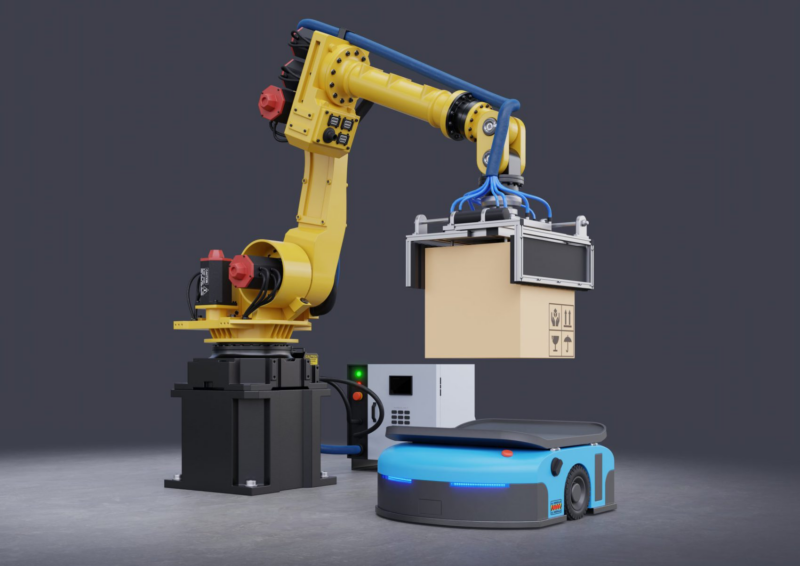
In manufacturing, electric actuators drive robotic arms, conveyor systems, and CNC machines, enabling accurate positioning and repeatable operations with minimal maintenance. The automotive industry relies on them for assembly line adjustments, welding fixtures, and quality inspection stations where high-speed, high-precision movement is critical.
In packaging and material handling, electric cylinders power filling machines, labeling systems, and palletizing equipment, replacing traditional pneumatic and hydraulic systems to eliminate oil leaks and reduce noise. The food and beverage sector benefits from their hygienic, contamination-free operation in sorting, cutting, and sealing processes.
Medical and pharmaceutical manufacturing utilizes electric actuators for precise dosing, tablet pressing, and automated laboratory equipment. In renewable energy, they control solar panel tracking systems and wind turbine blade pitch adjustments, optimizing energy capture through accurate angular positioning.
Compared to hydraulic and pneumatic alternatives, electric actuators provide superior programmability, lower operating costs, and seamless integration with Industry 4.0 networks. Their ability to deliver exact force, speed, and position feedback makes them the preferred choice for smart factories pursuing sustainable, high-performance automation.
Electric linear actuators play a pivotal role in solar tracking systems, enabling photovoltaic (PV) panels to follow the sun’s trajectory and maximize energy harvest throughout the day.
In single-axis tracking installations, actuators precisely tilt rows of panels along one rotational plane—typically east to west—adjusting tilt angles in real time based on astronomical algorithms or light sensors. This dynamic positioning can boost energy yield by 20–35% compared to fixed-tilt arrays.
In dual-axis tracking systems, two synchronized actuators control both azimuth and elevation angles, allowing panels to capture direct sunlight from dawn to dusk across all seasons. This configuration is particularly valuable for concentrated solar power (CSP) plants and high-efficiency PV deployments in regions with high solar irradiance.
Modern industrial-grade actuators designed for solar applications feature robust IP66/67 enclosures, stainless-steel components, and integrated position feedback to withstand harsh outdoor environments including extreme temperatures, dust, and humidity. Their brushless DC motors and low-power standby modes align with the sustainability goals of renewable energy projects.
By replacing traditional hydraulic or pneumatic drives, electric actuators eliminate fluid leakage risks and reduce maintenance cycles. They seamlessly integrate with SCADA and IoT platforms, enabling remote monitoring, predictive maintenance, and precise synchronization across large-scale utility farms, agrivoltaic projects, and commercial rooftop installations.


Electric linear actuators are increasingly embedded throughout modern vehicles, replacing traditional manual and hydraulic mechanisms to deliver smarter, lighter, and more energy-efficient motion control.
In passenger cars, actuators enable precise power-seat adjustments—including slide, recline, height, and lumbar support—enhancing driver ergonomics and comfort. They also drive steering-column tilt and telescopic functions, tailgate lift systems, and fuel-door or charge-port release mechanisms, contributing to seamless human–machine interaction. In sunroofs and active grille shutters, actuators regulate airflow and thermal management to improve aerodynamics and battery efficiency, particularly in electric vehicles (EVs).
Commercial and specialty vehicles represent a rapidly growing segment. In trucks and buses, heavy-duty actuators automate side-step deployment, cabin tilt, and luggage-compartment doors. Construction and agricultural machinery utilize sealed, high-force actuators to control hoods, access panels, and implement positioning, eliminating hydraulic leak risks in environmentally sensitive worksites.
For autonomous driving, actuators adjust LiDAR and camera cleaning nozzles, as well as retractable sensor housings, ensuring unobstructed perception in all weather conditions. Compared to pneumatic or hydraulic alternatives, electric actuators offer silent operation, precise position feedback, and straightforward integration with vehicle CAN/LIN networks, supporting over-the-air diagnostics and software-defined vehicle architectures. As automotive electrification accelerates, these compact, maintenance-free drives are becoming the standard for on-board motion applications.
Electric linear actuators are transforming modern home environments by introducing quiet, smooth, and intelligent motion to everyday furniture and appliances. In the living room, they power reclining sofas, lift-top coffee tables, and motorized TV mounts, allowing users to adjust viewing angles and seating positions effortlessly via remote control or voice commands.
In the bedroom, electric actuators enable adjustable bed bases that independently raise head and foot sections, improving sleep quality, alleviating snoring, and assisting individuals with limited mobility. Hidden within bed frames, they operate silently to preserve a peaceful atmosphere while providing personalized ergonomic support.
The kitchen and dining areas also benefit significantly. Motorized height-adjustable kitchen islands and dining tables accommodate both seated meals and standing social gatherings, promoting healthier posture. Cabinet lift systems use compact actuators to lower upper shelves within easy reach, enhancing accessibility for elderly users or those in wheelchairs.
Home office setups increasingly integrate sit-stand desks driven by synchronized dual actuators, encouraging dynamic work routines. In bathrooms, actuators support walk-in bathtubs, adjustable vanity mirrors, and accessible shower seats, combining comfort with aging-in-place safety.
Unlike noisy pneumatic or bulky hydraulic alternatives, modern electric actuators feature whisper-quiet DC motors, compact footprints, and smart-home compatibility. They enable designers to create minimalist, cable-free aesthetics while delivering reliable, maintenance-free motion. As smart living trends accelerate, electric linear actuators are becoming the invisible engine behind responsive, adaptable, and inclusive residential spaces.
Electric linear actuators have become essential motion components in modern medical equipment, where precision, hygiene, and patient safety are paramount. Unlike hydraulic or pneumatic systems, electric actuators provide clean, leak-free operation and exact position control, making them ideal for sterile clinical environments.
In hospital and home-care settings, actuators drive adjustable medical beds and patient lifts, enabling smooth backrest, leg-rest, and height adjustments to enhance comfort and assist caregivers. Operating tables and examination chairs rely on synchronized multi-axis actuators to achieve precise patient positioning during surgery, imaging, or diagnostics. Dental chairs utilize compact actuators for quiet, simultaneous adjustment of seat, back, and headrest angles, improving both practitioner ergonomics and patient experience.
Rehabilitation and mobility devices, such as standing frames, wheelchair lifts, and stairlifts, depend on robust actuators to provide safe, controlled movement for patients with limited mobility. In diagnostic imaging, actuators position CT and MRI patient tables with sub-millimeter accuracy while meeting strict electromagnetic compatibility requirements. Infusion pumps and automated medication dispensers also use miniature actuators for precise fluid delivery.
Medical-grade actuators are engineered with low-noise motors, overload protection, and biocompatible materials to comply with stringent healthcare standards. Their ability to integrate seamlessly with control systems and provide real-time feedback supports the ongoing digitalization of healthcare, enabling smarter, safer, and more responsive medical devices.
Electric linear actuators are increasingly deployed across agricultural machinery and livestock operations, delivering reliable, contamination-free motion control in demanding rural environments.
In modern farming equipment, they automate combine harvester header adjustments, tractor seat positioning, planter row-unit depth control, and sprayer boom leveling, enabling operators to optimize performance from the cab with push-button precision. Their compact, sealed design withstands constant exposure to dust, moisture, fertilizers, and crop debris without the leak risks associated with hydraulic systems.
In livestock management, electric actuators drive automated feeding systems that dispense exact ration portions, improving feed efficiency and animal health. They also control ventilation louvers, curtain winches, and cooling pad systems in poultry houses and dairy barns, maintaining optimal temperature and air quality. Automated sorting gates, pen dividers, and manure scrapers utilize heavy-duty actuators to reduce labor intensity and enhance biosecurity by minimizing human–animal contact.
Compared to traditional hydraulic or pneumatic drives, electric actuators offer maintenance-free operation, lower energy consumption, and seamless integration with farm management software and IoT sensors. Their corrosion-resistant housings and high IP ratings ensure long service life in harsh, chemical-rich environments. As precision agriculture and smart livestock farming advance, electric linear actuators provide the clean, durable, and programmable motion essential for sustainable, high-yield modern farm operations.
Electric linear actuators and electric cylinders are rapidly replacing traditional hydraulic and pneumatic systems across marine vessels and luxury yachts, delivering clean, reliable, and low-maintenance motion control in harsh saltwater environments.
On deck, they power hatch covers, skylights, and ventilation louvers, enabling remote or automated opening and closing to manage airflow and natural lighting. Bimini tops, awnings, and tender garages utilize synchronized actuators for smooth deployment and stowage, enhancing onboard convenience. Heavy-duty models drive passerelle gangways and swim platforms, providing safe, stable boarding and water access with precise load control.
Below deck, electric actuators adjust helm seating, table pedestals, and berth configurations to maximize space and comfort in compact cabins. They also control engine throttle and shift linkages, steering assistance systems, and trim tab adjustments, improving vessel handling and fuel efficiency. In the engine room, actuators operate fuel-valve controls, fire damper systems, and HVAC vents, where leak-free electric operation eliminates the contamination risks of hydraulic fluid.
Marine-grade actuators are engineered with corrosion-resistant stainless steel or anodized aluminum housings, IP66/IP69K sealing, and robust coatings to withstand salt spray, humidity, and UV exposure. Their brushless DC motors and integrated position feedback enable seamless integration with bridge automation, joystick controls, and smart-vessel networks. By eliminating hydraulic pumps, hoses, and reservoirs, electric actuators reduce weight, free up valuable bilge space, and support the marine industry’s shift toward greener, quieter, and more sustainable onboard systems.
Electric linear actuators and electromechanical cylinders are playing an increasingly vital role in aerospace applications, where extreme reliability, precision, and weight reduction are non-negotiable design requirements.
As the industry accelerates toward More Electric Aircraft (MEA) and next-generation spacecraft architectures, these electromechanical drives are progressively replacing traditional hydraulic and pneumatic systems to eliminate fluid leakage risks, reduce maintenance burdens, and improve overall system efficiency.
In commercial and military aviation, electric actuators control primary and secondary flight surfaces—including flaps, slats, spoilers, ailerons, and trim tabs—delivering precise angular positioning with real-time feedback for modern fly-by-wire control systems. They also power landing-gear extension and retraction mechanisms, cargo bay doors, thrust reverser systems, and weapon bay doors, operating reliably across wide temperature ranges, high-altitude pressure differentials, and severe vibration environments. Inside the cabin, compact actuators enable lie-flat business-class seating, adjustable headrests, and automated galley and lavatory mechanisms, enhancing passenger comfort while minimizing onboard weight.
For spacecraft, satellites, and orbital platforms, electromechanical actuators deploy solar arrays, steer high-gain communication antennas, and open scientific instrument bay doors in the vacuum of space. They precisely adjust optical benches, telescope mirror alignments, and sensor positioning systems, where zero-backlash performance and radiation-hardened electronics are mission-critical. Unmanned aerial vehicles and urban air mobility craft increasingly utilize lightweight, high-torque actuators for retractable landing gear, payload release mechanisms, and gimbal-stabilized camera platforms.
Engineered with brushless DC motors, redundant position sensors, and aerospace-grade alloys, these actuators withstand extreme thermal cycling, shock loads, and electromagnetic interference. By removing complex hydraulic pumps, reservoirs, and plumbing, they contribute significantly to fuel efficiency, design modularity, and mission reliability across both atmospheric flight and deep-space exploration.
Electric linear actuators and electromechanical cylinders have become critical enablers across modern defense and military platforms, delivering precise, maintenance-free motion control in the world’s most demanding operational environments. Their ability to eliminate hydraulic fluids and compressors addresses the military’s urgent need for reduced logistics footprints and enhanced battlefield reliability.
On ground combat vehicles, including main battle tanks and armored personnel carriers, heavy-duty actuators control weapon-station elevation and turret traverse, ammunition-feed mechanisms, and blast-resistant hatch operation. They also power adjustable crew seats, suspension-locking systems, and active armor panel deployment, improving crew survivability and ergonomics under extreme shock and vibration. In towed and self-propelled artillery, electromechanical drives enable rapid, precise barrel elevation and azimuth positioning, integrating seamlessly with digital fire-control systems for first-round accuracy.
Naval applications include vertical launch system door actuation, radar and satellite communication antenna stabilization, and torpedo tube breech mechanisms, where corrosion-resistant, IP68-rated actuators withstand salt spray and high-pressure washdowns. In the aerospace domain, they support flight-surface control, weapons-bay door sequencing, and refueling probe extension on military aircraft.
Unmanned systems—ranging from reconnaissance drones to autonomous ground vehicles—rely on compact, high-torque actuators for sensor gimbal positioning, payload release, and retractable landing gear. Engineered with redundant position feedback, hardened electronics, and extreme-temperature resilience, these actuators ensure mission-critical reliability while reducing thermal and acoustic signatures compared to hydraulic alternatives.
