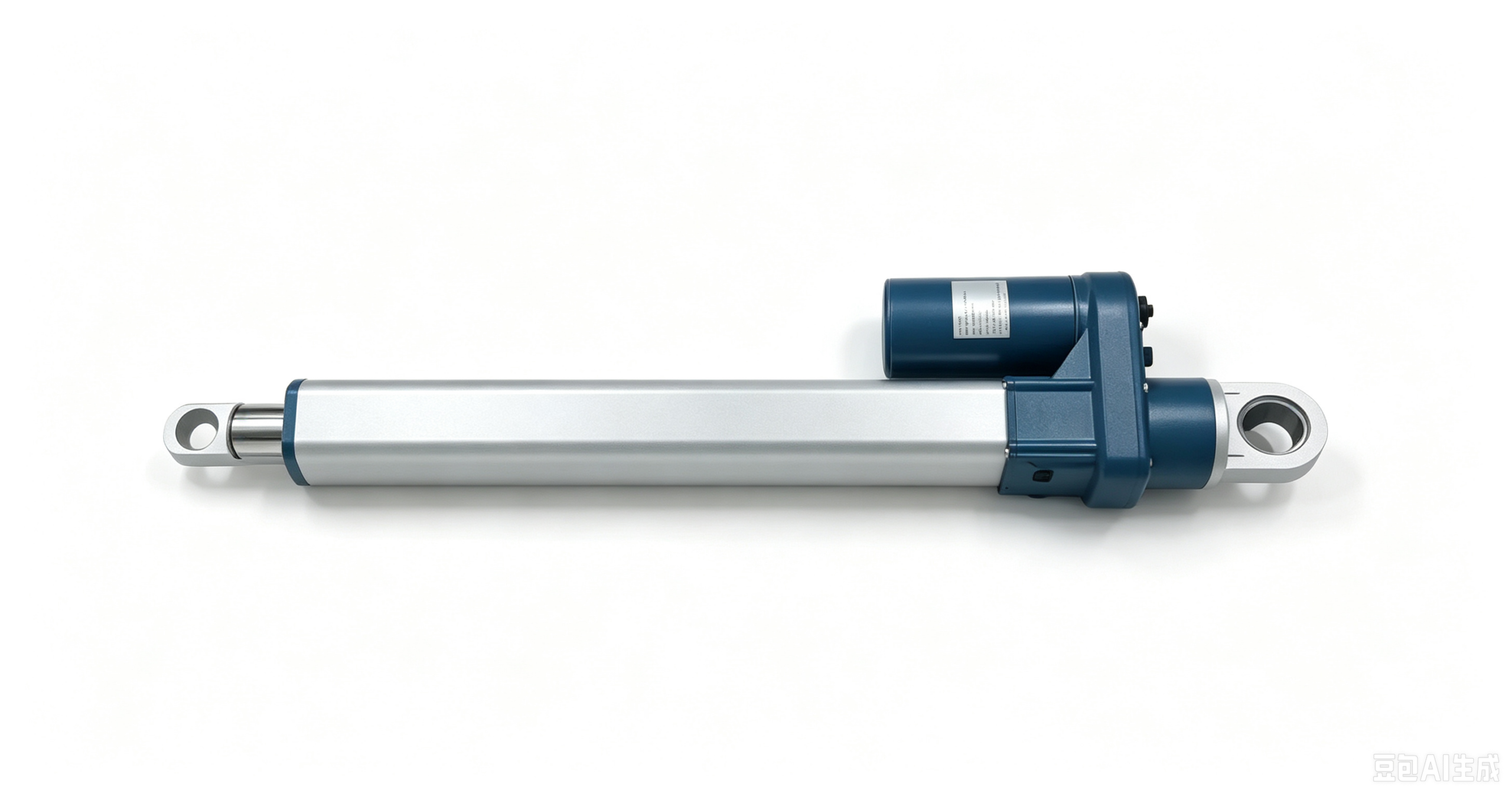
Comprehensive Guide to Vehicle Linear Actuators: Applications, Technologies, and Market Trends in Modern Automotive Systems
Introduction: The Critical Role of Vehicle Linear Actuators in Contemporary Automotive Engineering
The modern automotive industry has undergone a profound transformation over the past two decades, evolving from purely mechanical systems to highly sophisticated electromechanical platforms. At the heart of this revolution lies a component that, while often invisible to the average consumer, serves as the backbone of countless comfort, safety, and convenience features: vehicle linear actuators. These precision electromechanical devices convert rotational motion into linear displacement, enabling automated movement across virtually every subsystem in today’s automobiles.
Vehicle linear actuators have become indispensable in contemporary car design, replacing traditional manual mechanisms, hydraulic systems, and cable-driven assemblies with cleaner, more reliable, and electronically controllable alternatives. From the moment a driver approaches their vehicle and the side mirrors automatically unfold, to the precise adjustment of seating position, the smooth opening of a power tailgate, and the subtle tilting of headlights during cornering—vehicle linear actuators are working silently behind the scenes to enhance the driving experience.
The global market for automotive actuators has experienced exponential growth, driven by increasing consumer demand for automation, the proliferation of electric vehicles (EVs), and stringent safety regulations mandating advanced protective systems. According to industry analysts, the automotive actuator market is projected to reach multi-billion-dollar valuations by the end of the decade, with vehicle linear actuators representing a significant and rapidly expanding segment. This growth trajectory is fueled not only by luxury vehicles but also by the democratization of these technologies into mid-range and economy-class automobiles.
What distinguishes modern vehicle linear actuators from their predecessors is the integration of smart electronics, position feedback sensors, force-limiting algorithms, and communication protocols that allow seamless interaction with a vehicle’s central electronic control units (ECUs). Today’s actuators are no longer simple on/off devices; they are intelligent components capable of detecting obstructions, memorizing preferred positions, synchronizing multi-axis movements, and operating in harsh automotive environments characterized by extreme temperatures, vibration, moisture, and electromagnetic interference.
This comprehensive guide examines nine critical application domains where vehicle linear actuators have established their dominance in modern automotive architecture. We will explore how these electromechanical marvels power everything from convenience features like power tailgates and sunroofs to life-saving safety systems such as active pedestrian protection hoods and electronic braking mechanisms. Through detailed technical descriptions, real-world product examples, and analysis of emerging trends, this article provides an authoritative resource for automotive engineers, procurement specialists, aftermarket professionals, and technology enthusiasts seeking to understand the full scope of vehicle linear actuator applications in the contemporary automotive landscape.
1. Electric Tailgate and Power Liftgate Systems: Redefining Rear Access Convenience
Technical Overview and Operating Principles
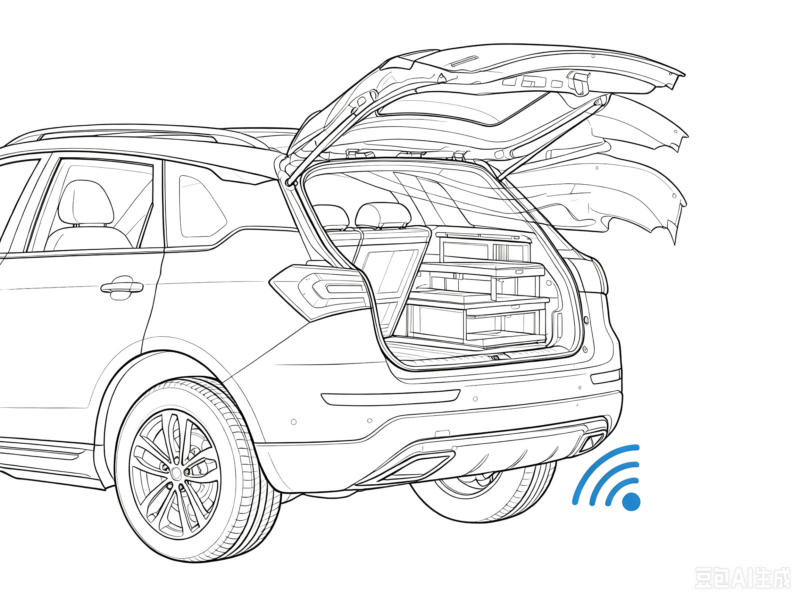
The electric tailgate, also known as a power liftgate or automatic trunk opener, represents one of the most visible and appreciated applications of vehicle linear actuators in modern SUVs, MPVs, and sedans. This system transforms what was once a manual, sometimes cumbersome operation into a seamless, one-touch or even hands-free experience. At its core, the electric tailgate system employs a pair of synchronized linear actuators—typically mounted on the left and right sides of the rear cargo opening—to provide controlled lifting and lowering of the heavy tailgate assembly.
The architecture of a power liftgate system comprises several integrated components: the primary vehicle linear actuators (often in the form of tubular or strut-type linear drives), a central control module, position sensors (usually Hall-effect sensors), anti-pinch detection systems, and user interface elements such as dashboard buttons, key fob controls, and proximity sensors for kick-to-open functionality. The vehicle linear actuators used in tailgate applications must deliver substantial force—often exceeding 500N to 1000N—to overcome the weight of the tailgate, especially when loaded with rear-mounted accessories such as spoilers, wiper assemblies, and glass panels.
Modern power liftgate actuators utilize brushless DC motors coupled with high-efficiency ball screw or lead screw mechanisms to achieve smooth, quiet operation. The screw mechanism converts the motor’s high-speed rotational output into slow, powerful linear motion. Advanced systems incorporate electronic clutch mechanisms that allow manual override in emergency situations or when the vehicle’s electrical system is compromised. The control algorithms governing these vehicle linear actuators are sophisticated, implementing variable speed profiles that accelerate gently from the closed position, maintain steady velocity through the mid-stroke, and decelerate smoothly as the tailgate approaches its fully open position.
Anti-Pinch Safety and Intelligent Features
Safety represents a paramount concern in power liftgate design, and modern vehicle linear actuators incorporate multiple layers of protection. The anti-pinch system monitors current draw and velocity feedback from the actuators; if an obstruction is encountered, the increased mechanical resistance causes a detectable change in motor current or a reduction in movement speed, triggering immediate reversal of the actuators. Some advanced systems employ capacitive or resistive edge sensors along the tailgate perimeter for enhanced detection sensitivity, particularly crucial for protecting small children’s fingers or preventing damage to cargo.
The hands-free or “kick sensor” functionality has emerged as a premium feature in recent years, particularly valuable when the driver’s hands are occupied with groceries, luggage, or child carriers. This system utilizes capacitive or radar-based sensors mounted beneath the rear bumper. When a kicking motion is detected, the sensor signals the control module to activate the vehicle linear actuators, initiating the opening sequence. Premium implementations include programmable height memory functions, allowing users to set a lower maximum opening height to prevent contact with low garage ceilings or overhead obstacles.
Real-World Product Examples and Applications
The automotive aftermarket and OEM sectors offer numerous examples of specialized vehicle linear actuators designed for tailgate applications. The DEFFNER S88 Electric Tailgate Actuators Set for the SEAT Ateca (2016-2024 model years) exemplifies the precision engineering required for direct-fit replacement and upgrade solutions. This set includes left and right actuators manufactured by DEFFNER Autotechnik, a specialist in automotive electromechanical components. These actuators are engineered to match the original equipment specifications while providing reliable, synchronized operation for the Ateca’s rear cargo access system.
For the premium SUV segment, the Electric Power Liftgate Car Power Trunk Lift Electric Hatch Tailgate Strut Auto Rear Door Actuator for Q5L 2024 (available through Amazon.ie) demonstrates how vehicle linear actuators are adapted for specific vehicle platforms. This system is designed specifically for the Audi Q5L, featuring actuators capable of handling the larger dimensions and increased weight of luxury SUV tailgates. Notably, this particular variant excludes the kick sensor, indicating the modular nature of modern actuator systems where convenience features can be added or omitted based on trim level and customer preference.
In the mass-market segment, the Auto Tailgate Opener Power Tailgate Lift Support Kit for Hyundai Santa Fe 2014-2018 (replacing OEM part number 81771-2W600) illustrates the robust aftermarket ecosystem supporting vehicle linear actuator replacement. This two-piece set provides electric actuator functionality for vehicles that may not have been originally equipped with power liftgates, or serves as a direct replacement for worn factory components. The inclusion of specific OEM cross-reference numbers highlights the standardization and interchangeability that has developed in the vehicle linear actuator market.
For universal applications and custom builds, Tubular Universal Tail Gate Power Lift Linear Actuators offer adaptable solutions for retrofitting power tailgate functionality to vehicles not originally designed with such systems, or for specialized applications such as custom vans, mobility vehicles, and commercial transport applications. These universal vehicle linear actuators typically feature adjustable mounting brackets, variable stroke lengths, and configurable force outputs to accommodate diverse vehicle architectures.
Suitable Products:
OD26 heavy duty electric linear actuator linear motor actuator[email protected]2026-08-28T05:48:10+00:00
2. Power Seat Adjustment Systems: Precision Ergonomics Through Electromechanical Control

Multi-Axis Movement and Comfort Engineering
Electric seat adjustment represents one of the most complex and multi-faceted applications of vehicle linear actuators in the modern automobile. Unlike single-axis systems such as power windows or mirrors, seat adjustment requires the coordinated operation of multiple linear actuators working in concert to achieve precise positioning across numerous degrees of freedom. Contemporary power seats in premium vehicles may incorporate six, eight, twelve, or even more individual vehicle linear actuators to control forward/backward sliding, height adjustment (front and rear independently), seatback recline, headrest positioning, lumbar support inflation and positioning, thigh extension (leg rest), and side bolster adjustment.
The fundamental challenge in seat actuator design lies in balancing compact packaging with substantial force output. Seat frames must accommodate vehicle linear actuators within severely constrained spaces while meeting stringent safety requirements for crashworthiness. The actuators must withstand extreme loads during collision events—often specified to endure forces exceeding 20,000N without catastrophic failure—while maintaining precise positional control during normal operation. This dual requirement has driven the development of specialized vehicle linear actuators featuring self-locking screw mechanisms, robust gearbox housings, and redundant position sensing.
The sliding mechanism, typically the primary axis of adjustment, employs a pair of vehicle linear actuators mounted on parallel tracks beneath the seat cushion frame. These actuators must overcome friction and inertial loads while maintaining parallel alignment to prevent binding. Height adjustment systems often utilize scissor-linkage or four-bar mechanisms driven by a central linear actuator, converting vertical lift into the desired seat elevation. Recline mechanisms represent particularly demanding applications, as the vehicle linear actuator must control the angular position of the seatback against the moment arm created by the occupant’s upper body weight, often requiring force outputs exceeding 1500N.
Memory Functions and Intelligent Positioning
The integration of memory functions has elevated power seat adjustment from a mere convenience feature to a personalized comfort and safety system. Modern vehicle linear actuators incorporate absolute or incremental position encoders that continuously report shaft position to the seat control module. This positional data enables the storage and recall of multiple driver profiles, automatically adjusting all seat axes to predetermined positions when a specific key fob is detected or a memory button is pressed.
Advanced seat systems now integrate with vehicle entry and exit strategies. When the engine is turned off, the seat may automatically slide rearward and lower slightly to facilitate easier egress; upon re-entry and startup, the vehicle linear actuators return the seat to the memorized driving position. Some luxury vehicles implement “easy entry” steering column coordination, where the steering wheel simultaneously rises and telescopes inward, creating maximum clearance for the driver. These coordinated movements require precise timing and velocity synchronization between the various vehicle linear actuators controlling seat and steering column axes.
Lumbar support systems represent a specialized application of miniature vehicle linear actuators. Rather than simple inflatable bladders, advanced lumbar systems employ multiple small linear actuators to adjust the curvature, height, and firmness of the back support in real-time. These micro-actuators may operate in conjunction with pressure sensors embedded in the seat surface to automatically optimize support based on occupant posture and driving duration, representing the convergence of biomechanics and electromechanical engineering.
Product Landscape and Manufacturing Excellence
The global supply chain for seat adjustment vehicle linear actuators encompasses both established automotive Tier 1 suppliers and specialized electromechanical manufacturers. Electric Actuators for Car Seat Adjustment represent a core product category for numerous manufacturers, with designs optimized for specific seat architectures ranging from economy-class manual-seat retrofits to ultra-luxury 24-way adjustable thrones.
Chinese manufacturing platforms such as Made-in-China.com feature extensive catalogs of Car Seat and Chair Electric Linear Actuators designed for high-speed operation, addressing one of the traditional limitations of electromechanical seat adjustment—the perceived slowness compared to manual adjustment. These high-speed vehicle linear actuators utilize advanced motor technologies and optimized screw geometries to achieve adjustment velocities exceeding 30mm per second, reducing the time required for full-range seat repositioning to just a few seconds.
For the furniture and aftermarket automotive seating markets, manufacturers like Derock produce specialized actuators such as the Wholesale Recliner Chair Sofa Electric Linear Actuator YLSZ17. While primarily targeting furniture applications, these actuators share fundamental design principles with automotive seat actuators, including quiet operation, smooth acceleration profiles, and substantial load capacity. The cross-pollination between furniture and automotive actuator technologies highlights the universal applicability of vehicle linear actuator principles across industries requiring precise, quiet, and reliable linear motion.
Suitable Products:
OD26 heavy duty electric linear actuator linear motor actuator[email protected]2026-08-28T05:48:10+00:00
3. Sunroof Opening Mechanisms: Bringing Light and Air Through Precision Engineering
From Manual Cranks to Electromechanical Precision
The automotive sunroof has evolved from a simple manual crank-operated panel to complex multi-panel glass assemblies featuring express-open, tilt-vent, and automatic closure functions. This evolution has been enabled entirely by the development of specialized vehicle linear actuators capable of operating within the confined headliner space while managing the substantial weight of glass panels and their sealing systems.
Modern sunroof mechanisms employ multiple coordinated vehicle linear actuators to achieve different operational modes. The primary sliding function requires actuators capable of moving the glass panel rearward along precisely machined tracks, often for distances exceeding 500mm in panoramic roof systems. These actuators must overcome the friction of weatherstrip seals, manage wind loads during highway-speed operation, and maintain precise panel alignment to prevent wind noise and water intrusion.
The tilt-vent function represents a second axis of movement, typically achieved through a separate pair of smaller vehicle linear actuators or a complex linkage system driven by the primary actuators. When the tilt function is activated, the rear edge of the glass panel rises by 20-50mm to create a venturi effect that exhausts hot air from the cabin while minimizing wind buffeting. The precision required for this movement is extraordinary—the panel must rise uniformly across its width to prevent binding and seal damage, requiring synchronized actuator operation within millimeter tolerances.
Environmental Sealing and Durability Challenges
Sunroof vehicle linear actuators operate in one of the most challenging environments in the vehicle—directly exposed to solar thermal loads, rain, snow, dust, and temperature extremes ranging from sub-zero winter conditions to interior greenhouse temperatures exceeding 80°C when parked in direct sunlight. Actuator housings must be sealed to IP67 or higher standards while remaining compact enough to fit within the roof structure without excessively reducing headroom.
The lubrication systems for sunroof actuators require specialized formulations that maintain viscosity across extreme temperature ranges while resisting washout from water infiltration. Gear materials must resist wear under high-load, low-speed conditions, and screw mechanisms must be protected from debris that could cause jamming or accelerated wear. Many modern sunroof vehicle linear actuators incorporate self-diagnostic capabilities, monitoring current draw and position feedback to detect track contamination, seal degradation, or mechanical wear before complete failure occurs.
Product Specifications and Market Availability
The technical requirements for sunroof applications have driven the development of high-force, compact vehicle linear actuators. Products such as the DC 12V Electric Linear Actuator with 6000N Maximum Lift and High-Speed Stroke (available in 250mm stroke configurations) demonstrate the force capabilities required for sunroof and similar automotive lifting applications. While marketed broadly for home automation and industrial use, these actuators share the fundamental specifications—12V DC operation, high force output, and compact tubular packaging—that make them suitable for automotive sunroof retrofits and custom applications.
Specialized automotive sunroof actuators, such as the Linear Actuator, DC 12V Sensitive Linear Actuator 6000N Lift Stroke Electric Motor for Auto Car Devices Machinery Industrial Lifting System Electric Sunroof (400mm), are specifically designated for sunroof applications. The 400mm stroke length accommodates the sliding range of medium-to-large sunroof panels, while the 6000N force rating provides adequate margin for overcoming seal friction and managing aerodynamic loads. The designation “sensitive” in the product description suggests the incorporation of current-sensing or position-feedback capabilities essential for anti-trap and precise positioning functions in sunroof applications.
Suitable Products:
OD26 heavy duty electric linear actuator linear motor actuator[email protected]2026-08-28T05:48:10+00:00
4.Throttle, Brake, and Pedal Adjustment Systems: The Interface Between Driver Intent and Vehicle Response
Electronic Throttle Control (Drive-by-Wire)
The transition from mechanical throttle linkages to electronic throttle control (ETC), commonly known as drive-by-wire, represents one of the most significant safety and performance advancements enabled by vehicle linear actuators in modern vehicles. In an ETC system, the accelerator pedal is no longer physically connected to the throttle body via a cable. Instead, a pedal position sensor detects the driver’s input and transmits this information to the engine control module (ECM), which then commands a vehicle linear actuator at the throttle body to open or close the intake butterfly valve.
The throttle body actuator must respond instantaneously to ECM commands, achieving precise angular positioning of the throttle plate within fractions of a degree. This precision enables advanced engine management functions impossible with mechanical linkages, including traction control intervention (the ECM can independently reduce throttle opening regardless of pedal position), cruise control integration, idle speed regulation, and torque management for automatic transmissions. The vehicle linear actuator employed in throttle bodies is typically a high-torque, low-inertia DC motor coupled with a gear reduction system and position feedback sensor, all packaged within the harsh underhood environment.
The safety implications of ETC vehicle linear actuators are profound. These systems incorporate redundant position sensors, dual-winding motors, and diagnostic algorithms capable of detecting actuator faults, sensor disagreements, or unintended operation. In the event of a system fault, the actuator can be commanded to a default limp-home position, allowing the vehicle to maintain limited mobility while alerting the driver to seek service.
Electronic Braking and Brake Pedal Adjustment
Electronic braking systems, including electric parking brakes and advanced emergency braking actuators, increasingly utilize vehicle linear actuators to apply braking force. Electric parking brake (EPB) systems replace the traditional handbrake lever or foot pedal with a switch-activated actuator that clamps the rear brake pads against the rotors. The vehicle linear actuator in an EPB system must generate substantial clamping force—often exceeding 20,000N—while maintaining this force without continuous power draw through self-locking mechanisms or electromagnetic holding.
More advanced systems incorporate brake-by-wire technology, where the brake pedal is decoupled from the hydraulic system. Instead, pedal force and displacement are measured by sensors, and vehicle linear actuators at each wheel or within a central hydraulic control unit generate the required braking pressure. This architecture enables seamless integration with regenerative braking in electric vehicles, where the system can blend friction braking with motor deceleration to maximize energy recovery while maintaining consistent pedal feel through actuator-controlled pressure simulation.
Pedal position adjustment systems, while less common than other actuator applications, represent an important ergonomic feature in some luxury and commercial vehicles. These systems employ vehicle linear actuators to move the entire pedal assembly toward or away from the driver, accommodating different leg lengths and driving preferences. This is particularly valuable in vehicles shared by multiple drivers or in commercial fleets where driver anthropometry varies widely.
Emerging Technologies and Specialized Systems
The eBrake™ system represents the cutting edge of electronic braking actuator technology, providing compact, high-force vehicle linear actuators designed specifically for parking brake and secondary braking applications. These systems emphasize fail-safe operation, with actuators designed to maintain braking force even in the event of primary electrical system failure through mechanical locking or backup power sources.
Academic and industry literature, such as references to Intelligent Actuators in automotive engineering texts, documents the ongoing evolution of vehicle linear actuators in pedal and braking systems. Research focuses on improving actuator response times, developing fault-tolerant architectures, and integrating haptic feedback systems that communicate road conditions and system status to the driver through the pedal interface. As autonomous driving technology advances, the role of vehicle linear actuators in braking and throttle systems will expand further, with actuators assuming primary control authority during automated driving modes while still providing intuitive manual override capabilities.
Suitable Products:
OD26 heavy duty electric linear actuator linear motor actuator[email protected]2026-08-28T05:48:10+00:00