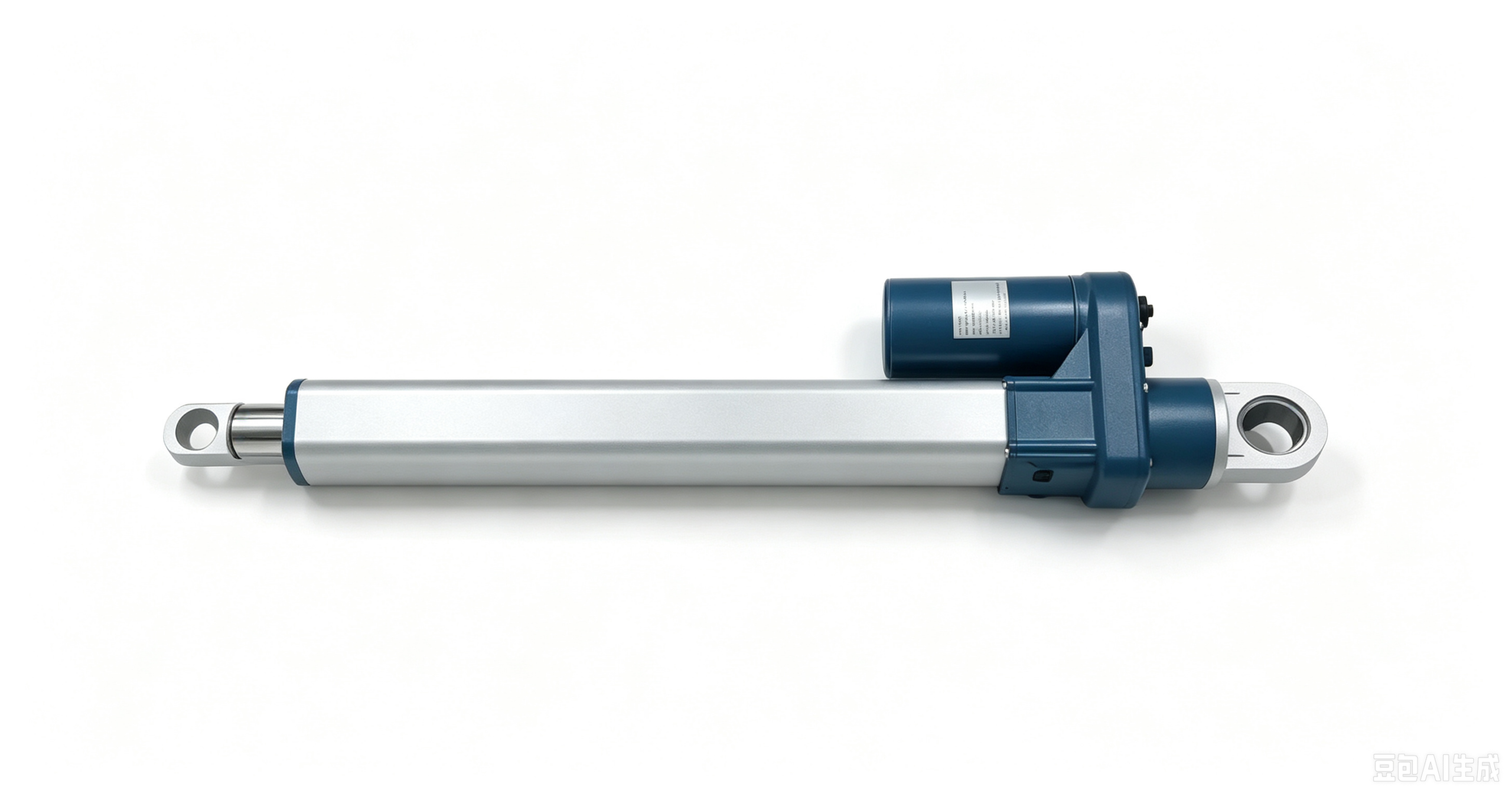
The Comprehensive Guide to Boat Linear Actuators: 10 Critical Marine Applications Transforming Modern Vessels
Introduction: The Silent Revolution Below Deck
The marine industry is undergoing a profound transformation, driven not by dramatic hull redesigns or revolutionary propulsion systems, but by the quiet, relentless efficiency of boat linear actuators. These electromechanical devices have become the invisible backbone of modern vessel automation, replacing manual cranks, hydraulic systems, and cumbersome mechanical linkages with precise, reliable electric motion control.
From the sun-drenched decks of luxury yachts to the utilitarian cockpits of commercial fishing vessels, boat linear actuators are redefining what it means to operate a ship. They open hatches with the press of a button, adjust helm seats for optimal visibility, deploy gangways with millimeter precision, and control critical valves in engine systems—all while withstanding the harshest environmental conditions imaginable: salt spray, constant moisture, UV radiation, and violent motion.
This comprehensive guide explores ten critical applications where boat linear actuators have become indispensable. Whether you are a boat builder seeking OEM solutions, a marine equipment supplier, or a yacht owner considering upgrades, understanding these applications will illuminate why electric linear motion has become the gold standard for marine automation.
1. Hatch Covers and Deck Access: Electric Opening Systems for Engine Rooms and Storage
The Marine Challenge
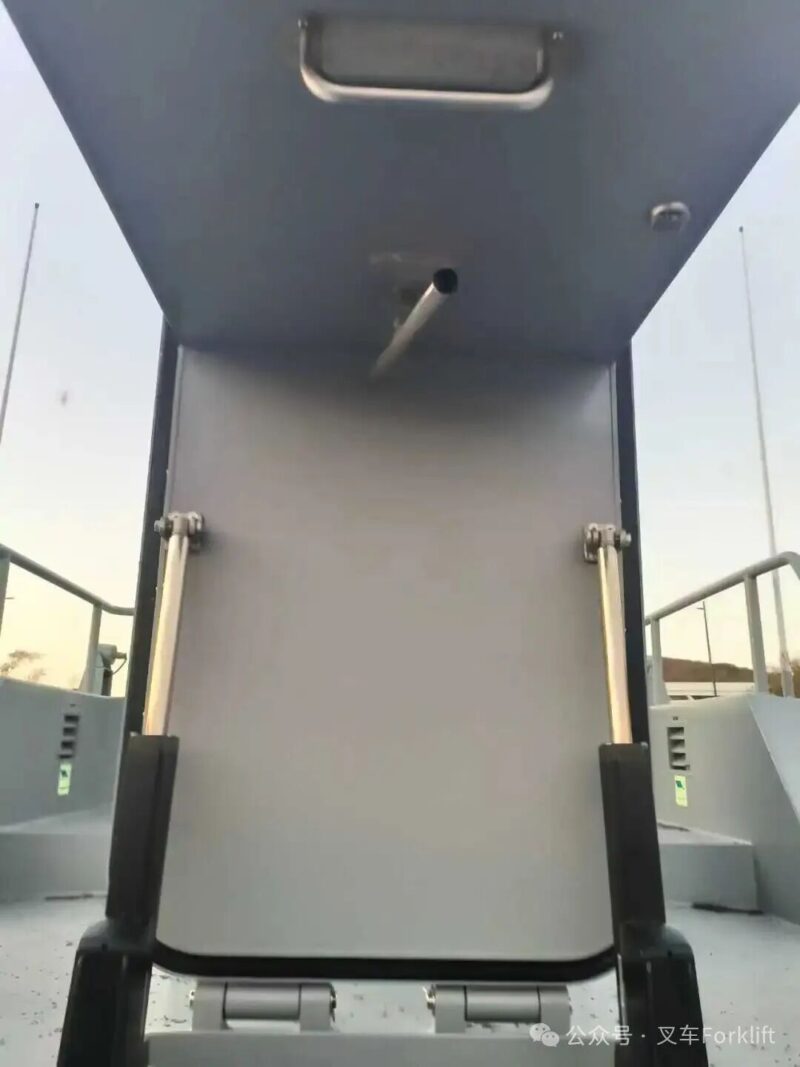
Engine compartments, storage lockers, and deck hatches represent some of the most frequently accessed yet physically demanding areas on any vessel. Traditional manual hatches require significant physical effort, particularly when dealing with heavy insulated engine covers or large deck panels. In rough seas, attempting to manually lift a hatch can be dangerous, and poorly sealed hatches can allow water ingress that damages expensive machinery.
How Boat Linear Actuators Solve the Problem
Boat linear actuators designed for hatch applications provide smooth, controlled lifting and lowering of heavy panels. These actuators must deliver substantial force—often 500N to 2000N or more—while maintaining compact profiles that fit within the limited space of deck structures. The key requirements include:
- Waterproof sealing: IP65 or higher ratings are essential to prevent corrosion of internal components
- Limit switch integration: Prevents over-extension that could damage hinges or seals
- Manual override capability: Critical for emergency access if electrical systems fail
- Holding force: Must maintain position even under dynamic loads from wave action
Real-World Examples
CP Performance Hatch Actuators and Rams represent the industry standard for electric hatch lifting. These specialized boat linear actuators are engineered specifically for marine environments, featuring stainless steel construction and sealed housings that resist saltwater corrosion. Available in various stroke lengths from 100mm to 400mm, they can handle engine covers weighing hundreds of pounds with effortless electric operation.
Yacht builders increasingly specify electric hatch actuators not merely for convenience but for safety. A captain can open an engine compartment from the helm to check for smoke or unusual sounds without leaving the station. In emergency situations, remote-operated hatches can be opened or closed from multiple stations throughout the vessel.
Technical Considerations
When specifying boat linear actuators for hatch applications, marine engineers must calculate:
- Static load: The weight of the hatch itself
- Dynamic load: Additional forces from wind, wave impact, and vessel motion
- Stroke geometry: The actuator mounting angle affects effective lifting force
- Speed requirements: Faster actuation reduces exposure time during weather changes
Modern systems often incorporate synchronized dual-actuator setups for wide hatches, requiring controllers that ensure both boat linear actuators move at identical rates to prevent binding or twisting of the panel.
Suitable Products:
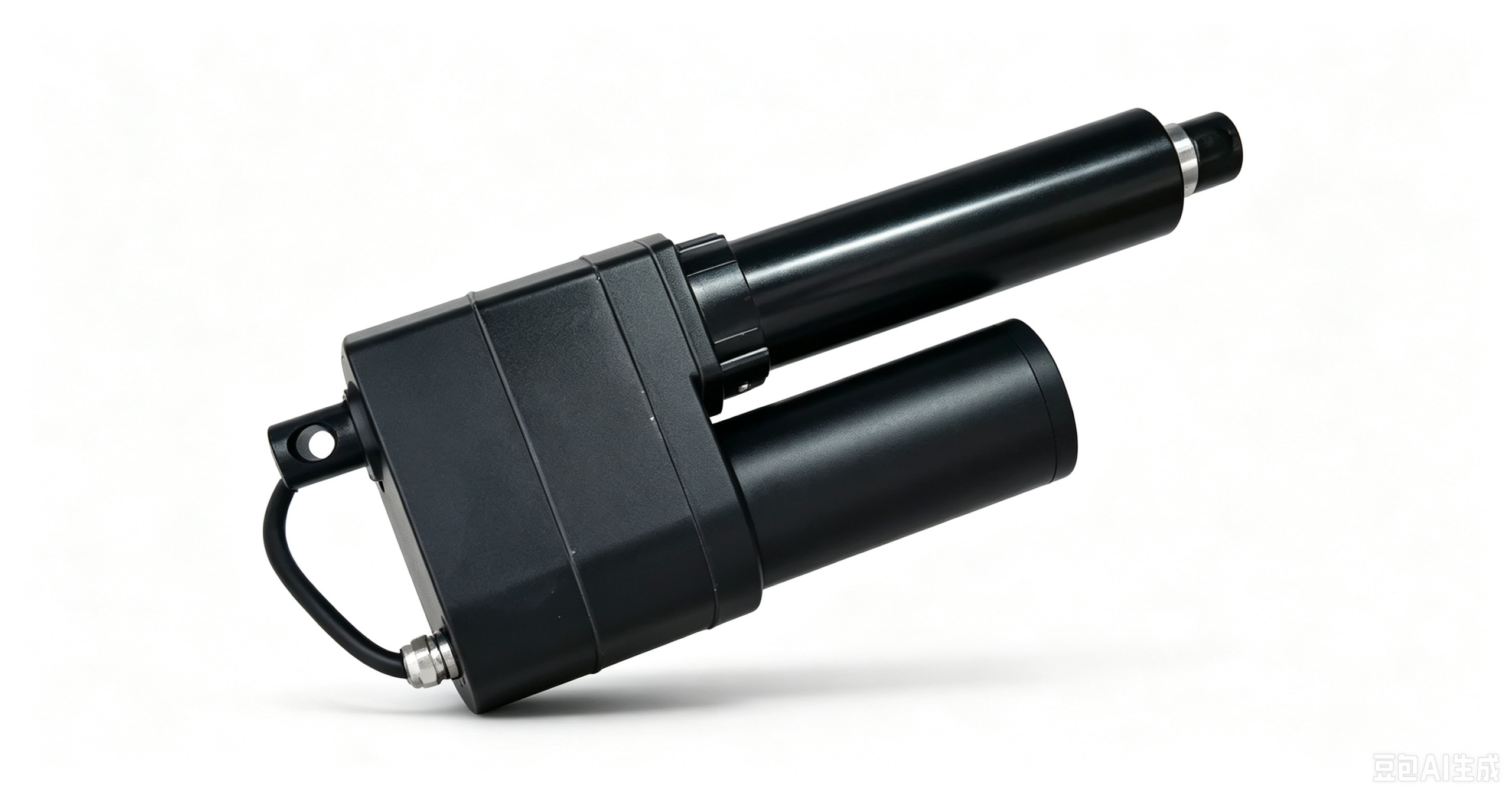
OD26 heavy duty electric linear actuator linear motor actuator[email protected]2026-08-28T05:48:10+00:00
2. Electric Gangways and Swim Ladders: Automated Boarding Solutions

Safety and Convenience in Marine Access
Boarding a vessel from a dock, tender, or the water presents significant safety challenges, particularly for elderly passengers, children, or in rough conditions. Traditional boarding ladders require manual deployment and retrieval, often necessitating someone to lean over the transom or swim platform—an inherently risky maneuver. Electric gangways and swim ladders eliminate this risk while adding a touch of sophistication that distinguishes modern yachts.
Actuator-Driven Boarding Systems
Boat linear actuators power the deployment, stowage, and angle adjustment of modern boarding equipment:
- Gangway extension: Telescoping walkways extend from 1.5m to 4m+ using synchronized boat linear actuators
- Angle adjustment: Actuators adjust gangway inclination to match dock height or tidal variations
- Swim ladder deployment: Compact actuators fold ladders from transom storage into the water
- Platform leveling: Hydraulic-electric hybrid systems use boat linear actuators to maintain level boarding platforms on moving vessels
Market-Leading Solutions
The Multifunctional Electric Gangway & Sea Ladder category represents one of the fastest-growing segments for boat linear actuators in the yacht market. These integrated systems combine telescopic gangways with integrated swim ladders, all controlled by a single switch panel. High-end versions incorporate load-sensing boat linear actuators that automatically adjust deployment speed based on weight distribution.
For swim platforms, manufacturers like Opacmare and Besenzoni offer electric systems where boat linear actuators not only deploy ladders but also lower entire platform sections to water level, creating beach club areas on luxury yachts.
Design Challenges
Gangway actuators must address:
- Synchronization: Multiple boat linear actuators must operate in perfect harmony to prevent binding in telescoping sections
- Shock loading: Passengers stepping onto gangways create impact loads requiring actuators with high dynamic load ratings
- Submersion resistance: Swim ladder actuators must withstand temporary submersion, requiring IP67 or IP68 ratings
- Emergency manual operation: Systems must allow manual retraction if electrical power is lost
The integration of boat linear actuators into boarding systems has directly contributed to reduced insurance claims and improved passenger safety ratings across the marine industry.
Suitable Products:
OD26 heavy duty electric linear actuator linear motor actuator[email protected]2026-08-28T05:48:10+00:00
3. Anchor Windlasses and Electric Winches: Controlled Lifting and Deployment
The Demands of Ground Tackle Management
Anchoring is one of the most physically demanding and potentially dangerous operations on any vessel. Manual windlasses require significant effort, while traditional electric windlasses often use simple on/off motors without precise control. The integration of boat linear actuators into anchor handling and winch systems has introduced a new level of precision and safety to ground tackle operations.
Actuator Roles in Windlass Systems
While primary windlass drive is typically rotary, boat linear actuators perform critical supporting functions:
- Anchor lock pins: Electric actuators engage locking pins that secure the anchor in the hawse pipe during transit, replacing manual hammer-driven pins
- Windlass brake control: Linear actuators apply and release mechanical brakes with precise force
- Chain stoppers: Actuated chain stoppers hold the anchor rode independently of the windlass
- Rode tensioning: Boat linear actuators maintain constant tension on anchor rodes during retrieval to prevent chain pile-up
- Swiveling bow rollers: Actuators adjust roller angles to align with anchor pull direction
Product Examples
The Aquarius A2524 Electric Windlass from Anchorlift represents modern vertical windlass design where boat linear actuators control auxiliary functions like chain stoppers and locking mechanisms. These actuators must withstand the corrosive bow environment where green water and salt spray are constant.
For horizontal windlass applications, products like the Stainless Steel Yacht Marine Hardware 400W/600W Winch systems incorporate boat linear actuators for brake and clutch control, allowing operators to modulate retrieval speed and prevent overload.
Technical Specifications
Windlass auxiliary boat linear actuators require:
- Stainless steel construction: 316-grade housings resist salt corrosion
- High shock resistance: Bow impacts and wave strikes transmit significant forces
- Position feedback: Controllers need confirmation that locks and brakes are fully engaged
- Manual override: Critical for emergency anchor release
The trend toward “smart anchoring” integrates boat linear actuators with GPS and depth sounders, enabling one-touch anchoring where the system automatically pays out rode based on depth and scope calculations, with actuators managing tension and locking automatically.
Suitable Products:
OD26 heavy duty electric linear actuator linear motor actuator[email protected]2026-08-28T05:48:10+00:00