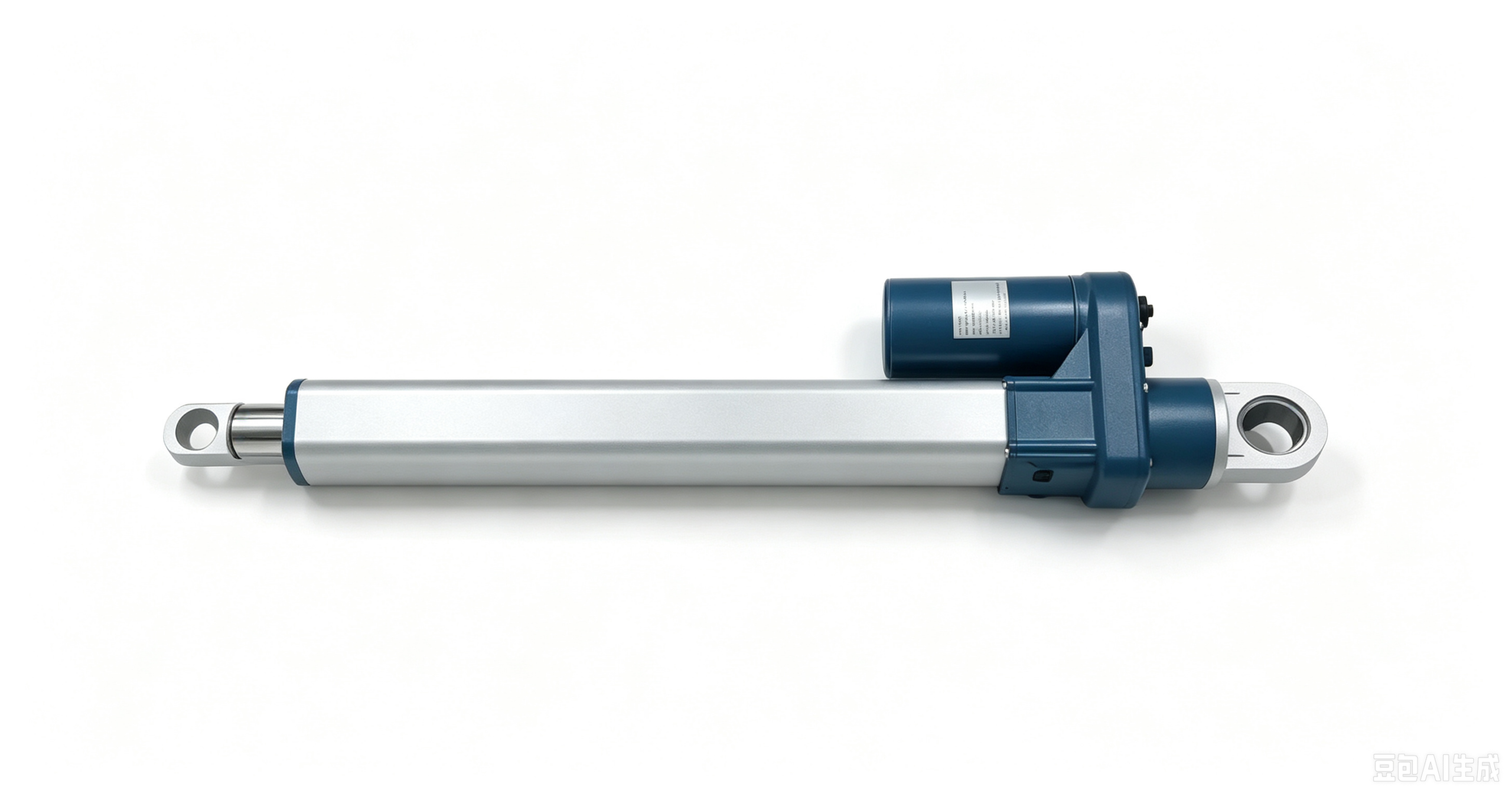
Aircraft Linear Actuators: A Comprehensive Guide to Five Critical Aerospace Applications
Introduction: The Rising Demand for Aircraft Linear Actuators
According to industry forecasts, the global aircraft actuators market was valued at approximately USD 9.8–11.03 billion in 2025 and is projected to reach USD 15.9–18.06 billion by 2033, growing at a compound annual growth rate (CAGR) of 6.2% to 7.3%
. Within this broader market, aircraft linear actuators represent the dominant motion type, accounting for approximately 64% of the high-performance actuators segment
. The shift from conventional hydraulic and pneumatic systems toward electromechanical solutions is accelerating, driven by demands for reduced weight, improved fuel efficiency, lower maintenance costs, and enhanced environmental sustainability.
1. Aircraft Seat Actuation Systems: Enhancing Passenger Comfort Through Precision Motion
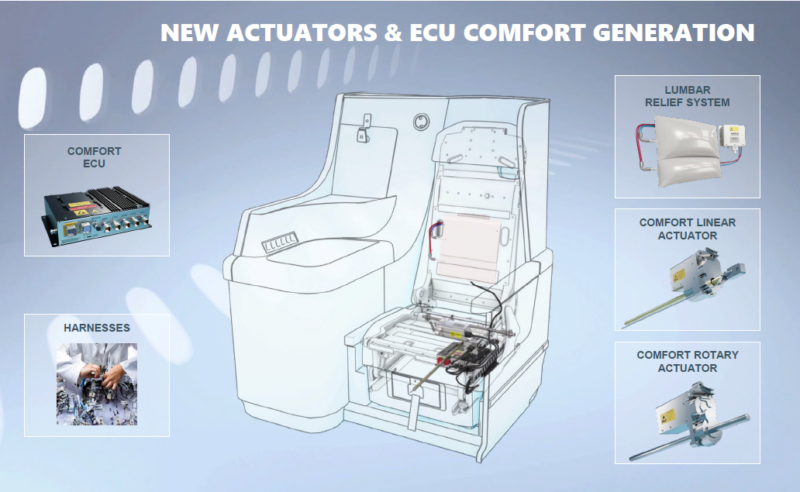
Application Overview
Technical Requirements and Design Considerations
Real-World Examples and Implementations
The market for aircraft seat actuation is expanding in tandem with global air traffic growth. The International Air Transport Association (IATA) projects that air traffic will double by 2037, requiring over 37,000 new passenger aircraft
. Each of these aircraft requires dozens of seat actuators, creating substantial demand for next-generation aircraft linear actuators that offer improved power density, reduced acoustic signatures, and integrated position feedback for smart cabin management systems.
Suitable Products:
2. Aircraft Door and Cargo Door Operation: Electrifying Access Systems

Application Overview
Technical Requirements and Design Considerations
Redundancy is a cornerstone of door actuator design. Many systems incorporate dual-motor architectures where two independent electric motors drive a common actuator mechanism, ensuring that a single motor failure does not compromise door operability
. Additionally, these actuators must include mechanical locking mechanisms that maintain door closure under all flight conditions, including rapid decompression events and emergency situations.
Real-World Examples and Implementations
Suitable Products:
3. Landing Gear Deployment and Retraction: High-Load Electromechanical Actuation
Application Overview
Technical Requirements and Design Considerations
Real-World Examples and Implementations
TAMAGAWA SEIKI, a leading aerospace actuator manufacturer, has developed specialized landing gear actuators that exemplify the integration of high-force linear actuation with advanced position sensing and control electronics
. These actuators incorporate resolver or LVDT (Linear Variable Differential Transformer) position feedback for closed-loop control, enabling precise gear positioning and real-time health monitoring.
Suitable Products:
4. Flight Control Surfaces: Precision Actuation for Flaps, Spoilers, and Ailerons
Application Overview
Technical Requirements and Design Considerations
Bandwidth and dynamic response are equally important. Spoiler actuators used for roll control or speed brakes must respond rapidly to pilot or autopilot commands, with small-amplitude control bandwidths exceeding 15 Hz in advanced applications
. This requires actuators with low inertia, high-power density brushless DC motors, and advanced servo control algorithms.