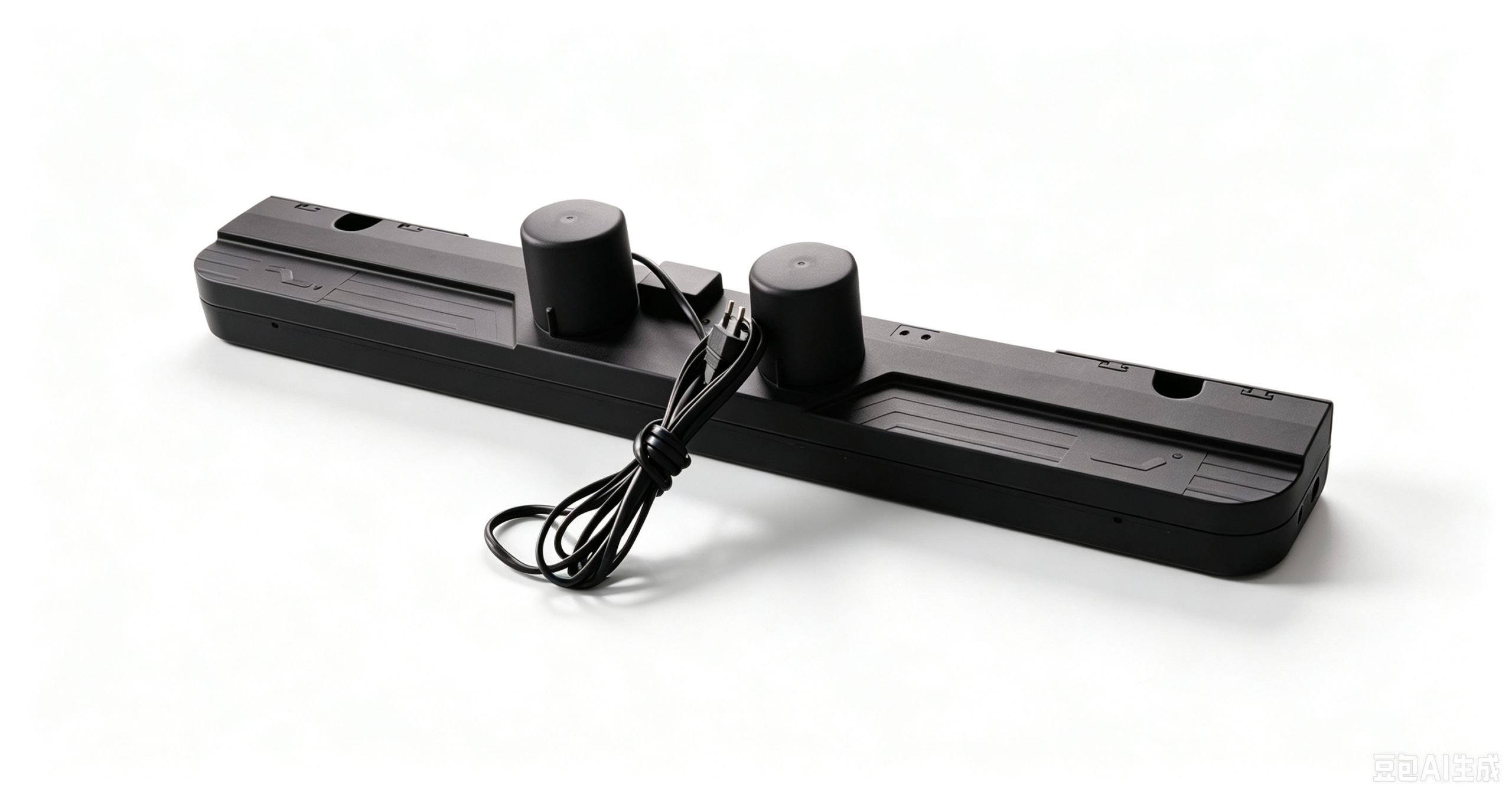
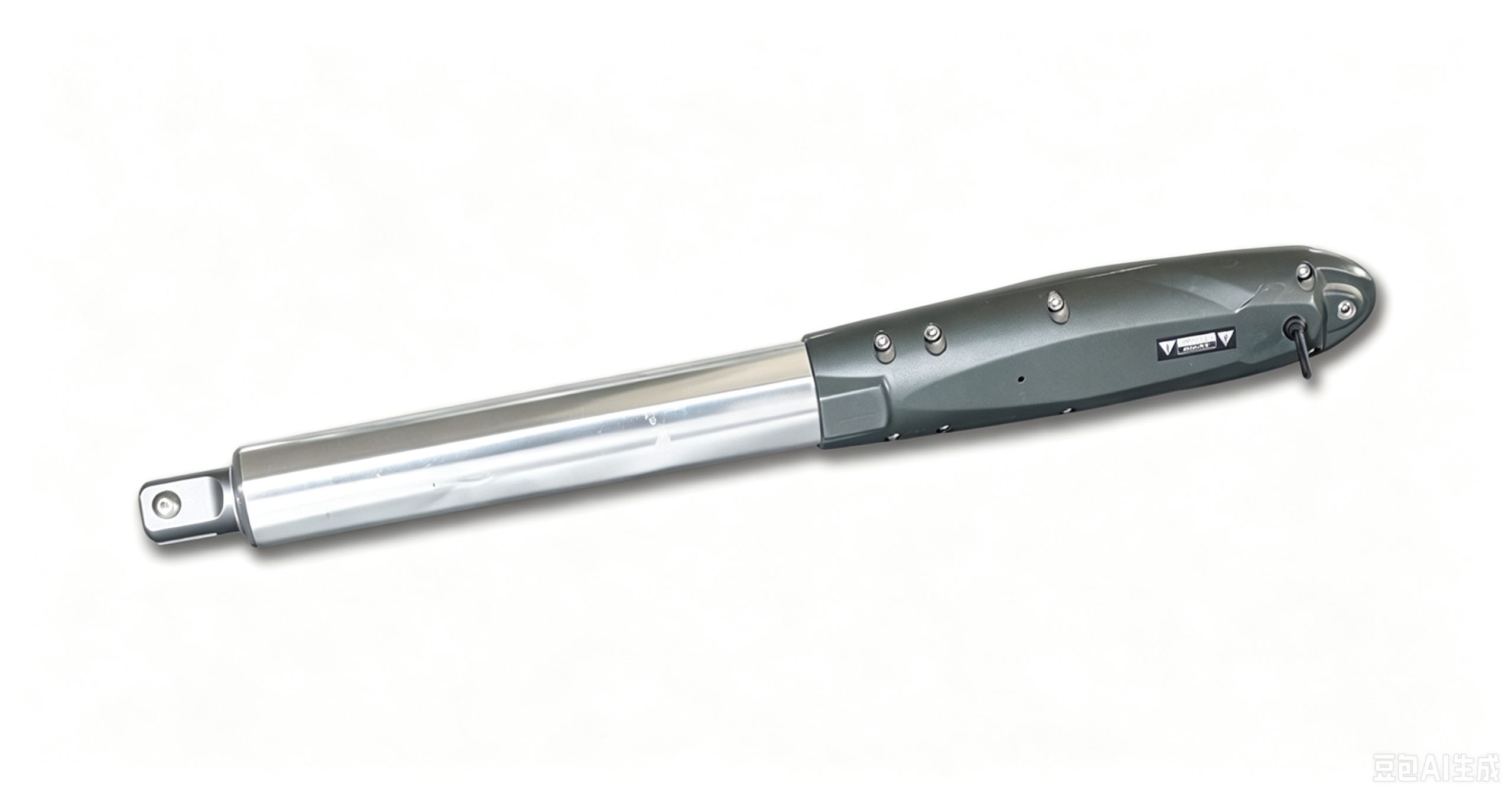
The Ultimate Guide to Furniture Linear Actuators: Transforming Modern Living Spaces
Introduction: The Quiet Revolution in Smart Furniture
In the rapidly evolving landscape of modern home design, furniture linear actuators have emerged as the invisible force behind the comfort, convenience, and intelligence that consumers increasingly demand. These compact yet powerful electromechanical devices convert rotational motion into smooth, controlled linear movement, enabling furniture to adapt to human needs rather than forcing humans to adapt to static furniture.
The global smart furniture market has witnessed exponential growth over the past decade, with furniture linear actuators serving as the critical backbone technology powering this transformation. From hospital beds that automatically adjust patient positioning to living room sofas that recline at the touch of a button, linear actuators have transcended their industrial origins to become essential components in residential environments.
What makes furniture linear actuators particularly valuable in home applications is their unique combination of precision, quiet operation, and reliability. Unlike traditional hydraulic or pneumatic systems, electric linear actuators require no maintenance, produce no messy fluids, and can be seamlessly integrated with smart home ecosystems. They operate at whisper-quiet noise levels—often below 45 decibels—making them ideal for bedrooms, living rooms, and other spaces where tranquility matters.
This comprehensive guide explores eight major application domains where furniture linear actuators are revolutionizing the way we live, work, and relax. Whether you are a furniture manufacturer seeking technical insights, an interior designer exploring smart solutions, or a homeowner curious about the technology behind your adjustable bed, this article provides the detailed analysis and practical examples you need.
1. Smart Electric Adjustable Beds: Redefining Sleep and Recovery
The Evolution of Bedroom Comfort
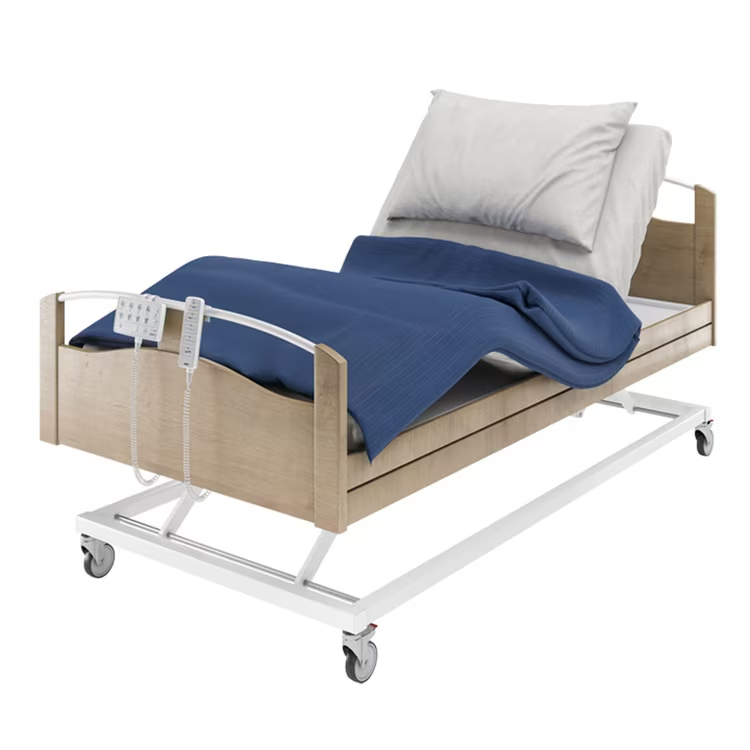
Perhaps no application better demonstrates the transformative power of furniture linear actuators than the smart electric adjustable bed. These sophisticated sleep systems have evolved far beyond the simple hospital beds of previous generations, offering consumers unprecedented control over their sleeping and resting positions.
Modern adjustable beds utilize multiple synchronized furniture linear actuators strategically positioned throughout the bed frame. Typically, a premium adjustable bed incorporates three to five independent actuators: one controlling the head section elevation (usually 0 to 60 degrees), one managing the foot section articulation (0 to 45 degrees), and additional actuators for lumbar support adjustment and height modification. This multi-actuator architecture enables complex positioning profiles that would be impossible with manual mechanisms.
How Linear Actuators Power Adjustable Beds
The head section of an adjustable bed relies on a high-torque furniture linear actuator mounted at the pivot point between the fixed base and the movable head platform. When the user activates the head-up function—perhaps to read before sleep or alleviate acid reflux—the actuator extends with smooth, controlled force, typically generating between 4,000 and 6,000 Newtons of push force. This substantial force capacity ensures reliable operation even with heavier mattresses and sleepers.
The foot section operates on similar principles, with its dedicated furniture linear actuator creating the signature “zero gravity” position that NASA originally developed for astronauts. In this position, the head is elevated approximately 30 to 45 degrees while the legs are raised above heart level, distributing body weight evenly and reducing pressure on the spine. Premium models from manufacturers like RunGuan integrate programmable memory positions, allowing users to save their preferred configurations and recall them instantly.
Real-World Applications and Benefits
For individuals suffering from sleep apnea, snoring, or chronic back pain, adjustable beds powered by furniture linear actuators offer clinically proven therapeutic benefits. The ability to elevate the head by even 15 degrees can significantly reduce airway obstruction during sleep. Similarly, couples with different comfort preferences can benefit from split-king configurations, where each side of the bed operates independently through dedicated actuator systems.
Leading manufacturers such as RunGuan, a prominent actuator solution provider, have developed specialized furniture linear actuators specifically engineered for bed applications. These actuators feature ultra-low noise profiles—often below 40 decibels—ensuring that position adjustments do not disturb a sleeping partner. Additionally, they incorporate safety features such as anti-pinch technology and emergency battery backup systems that allow the bed to return to flat position during power outages.
The integration of furniture linear actuators in adjustable beds also enables smart home connectivity. Modern systems can sync with sleep tracking apps, automatically adjusting positions throughout the night based on sleep stage detection. Some advanced models even feature under-bed lighting, massage functions, and USB charging ports—all coordinated through the central actuator control system.
Suitable Products:
2. Electric Sofas and Recliner Chairs: The Living Room Reimagined

From Manual Levers to Intelligent Motion
The living room has traditionally been a space of static comfort, but furniture linear actuators are fundamentally changing this paradigm. Electric sofas and recliner chairs represent one of the fastest-growing segments in the smart furniture market, driven by consumer demand for effortless relaxation and space-efficient design.
Unlike traditional recliners that rely on manual levers or spring mechanisms, modern electric recliners employ precision furniture linear actuators to control multiple independent movements. A typical power recliner incorporates at least two actuators: one for the backrest inclination (ranging from upright 90 degrees to fully reclined 160 degrees) and one for the footrest extension. High-end models may include additional actuators for headrest adjustment, lumbar support customization, and even seat depth modification.
Technical Implementation in Sofa Design
The integration of furniture linear actuators into sofa frames requires careful engineering to balance power, speed, and aesthetics. Manufacturers like DIHAO Electric Zhejiang Co., Ltd. have developed low-profile actuator solutions that fit within the slim dimensions of contemporary furniture designs. These actuators typically operate on 24V or 29V DC power systems, drawing minimal current while delivering the 2,000 to 4,000 Newtons of force necessary to move padded backrests and footrests smoothly.
One of the most significant advantages of using furniture linear actuators in recliner sofas is the ability to achieve “zero wall” or “wall-hugger” designs. Traditional recliners require substantial clearance behind the chair to accommodate the reclining motion. In contrast, actuator-driven recliners can move the seat forward as the backrest reclines, allowing the furniture to be placed mere inches from the wall. This space-saving capability is invaluable in urban apartments and compact living spaces where every square foot matters.
The Jeanoko Linear Actuator for recliner sofas exemplifies the precision engineering that modern consumers expect. With a 333mm stroke length and ultra-quiet operation, these furniture linear actuators enable seamless transitions between sitting, lounging, and fully reclined positions. The labor-saving nature of electric actuation is particularly beneficial for elderly users or individuals with mobility limitations who may struggle with manual recliner mechanisms.
Smart Features and User Experience
Contemporary electric sofas leverage furniture linear actuators to deliver experiences that extend far beyond simple reclining. Many models now feature one-touch “lay flat” functions that simultaneously coordinate multiple actuators to achieve a fully horizontal position—ideal for impromptu napping. Others incorporate programmable memory settings, allowing family members to save their individual preferences.
The durability of furniture linear actuators in sofa applications has improved dramatically in recent years. Premium actuators now offer lifespans exceeding 20,000 cycles, meaning a typical family can operate their recliner multiple times daily for over a decade without mechanical failure. This longevity, combined with the elimination of wear-prone mechanical linkages, makes electric recliners a surprisingly cost-effective investment over their lifetime.
Suitable Products:
3. Motorized TV Lifts: Space Optimization and Aesthetic Enhancement
The Art of Concealment
Television lift mechanisms represent one of the most visually striking applications of furniture linear actuators in residential environments. These systems use precision actuators to raise televisions from hidden positions—whether within cabinets, footboards, or ceiling cavities—and lower them when viewing concludes. The result is a cleaner, more flexible living space where technology does not dominate the visual landscape.
TV lift systems demand furniture linear actuators with exceptional stability and positional accuracy. A 65-inch television may weigh 25 to 35 kilograms, and any wobble or vibration during elevation would create an unsettling user experience. Leading suppliers like LUMI engineer actuator systems with rigid guide rails and anti-rotation mechanisms that ensure perfectly vertical movement without sway.
Floor, Cabinet, and Ceiling Configurations
The versatility of furniture linear actuators enables three primary TV lift configurations. Floor-based systems raise televisions from custom furniture cabinets or room-divider consoles. These typically employ telescoping column actuators that extend to heights of 1 to 1.5 meters while maintaining a compact retracted profile. Cabinet-integrated lifts use shorter-stroke furniture linear actuators designed for furniture-depth enclosures, often incorporating swivel mechanisms that allow directional adjustment after elevation.
Ceiling TV lifts represent the most technically demanding application, requiring furniture linear actuators to lower televisions from overhead cavities. These systems must overcome not only the television’s weight but also the structural challenges of overhead mounting. Safety mechanisms are paramount—reliable brake systems ensure that televisions cannot fall in the event of power failure, and obstacle detection sensors prevent operation when people or objects are positioned below.
Design and Lifestyle Benefits
The aesthetic benefits of TV lift systems powered by furniture linear actuators extend beyond mere concealment. In multi-purpose rooms—such as home offices that double as guest rooms, or living rooms that serve as formal entertaining spaces—the ability to completely hide the television transforms the room’s character. Designers can create focal points around fireplaces, artwork, or architectural features rather than accommodating a black screen.
From a practical standpoint, furniture linear actuators protect valuable electronics from dust, accidental damage, and environmental factors. Televisions stored within cabinets or ceiling enclosures when not in use experience significantly less dust accumulation and are shielded from potential impacts. In households with young children, TV lifts also eliminate the tipping hazard associated with freestanding television mounts.
Suitable Products:
4. Smart Kitchen Cabinets and Appliance Lifts: Ergonomics in the Culinary Space
Reimagining Kitchen Accessibility
The kitchen presents unique challenges for furniture linear actuators due to the presence of moisture, heat, food particles, and frequent cleaning requirements. Despite these challenges, actuator-driven kitchen solutions are gaining traction as homeowners seek to improve accessibility, maximize storage efficiency, and create adaptable cooking environments.
Kitchen appliance lifts represent one of the most practical applications of furniture linear actuators in this space. These systems raise heavy appliances—such as stand mixers, blenders, and coffee makers—from concealed cabinet positions to countertop height when needed, then return them to storage afterward. This approach eliminates countertop clutter while keeping frequently used appliances readily accessible.
Cabinet and Countertop Applications
Overhead cabinet lift systems use furniture linear actuators to lower wall-mounted storage units to counter height, eliminating the need for step stools and reducing the risk of accidents. These systems are particularly valuable for wheelchair users, elderly individuals, and anyone with limited reach or mobility. The actuators must deliver sufficient force to move loaded cabinets—often 50 to 100 kilograms—while maintaining smooth, controlled descent that prevents contents from shifting.
Kitchen island lift systems represent another innovative application, using furniture linear actuators to adjust countertop height for different activities and users. A single island might lower to standard height (36 inches) for food preparation, raise to bar height (42 inches) for casual dining, or drop to accessible height (30 inches) for seated users. This adaptability makes kitchens genuinely universal in their accessibility.
Smart kitchen storage solutions powered by furniture linear actuators also include hidden compartments and pop-up outlets. A countertop section might rise to reveal a charging station or pop-up mixer stand, then retract flush with the surface when not in use. These applications require compact, low-profile furniture linear actuators that fit within the limited depth of standard countertops.
Hygiene and Durability Considerations
Kitchen environments impose stringent requirements on furniture linear actuators. Exposure to steam, grease, and cleaning chemicals necessitates sealed actuator housings with appropriate ingress protection (IP) ratings. Stainless steel or anodized aluminum construction resists corrosion, while food-grade lubricants ensure safety in environments where contact with consumables is possible.
The durability of kitchen furniture linear actuators must accommodate frequent daily use. A family might operate an appliance lift multiple times per day, subjecting the actuator to hundreds of cycles monthly. Premium actuators designed for kitchen applications incorporate self-locking mechanisms that prevent unintended descent and position-holding brakes that maintain height even under load.
Suitable Products:
5. Smart Window Openers: Ventilation, Safety, and Automation
Automated Natural Ventilation
Smart window openers represent an emerging but rapidly growing application for furniture linear actuators, addressing ventilation, safety, and energy efficiency in residential and commercial buildings. These systems automate the opening and closing of windows—particularly those in hard-to-reach locations such as skylights, high transoms, and large architectural glazing—using compact yet powerful actuators.
The technical requirements for window actuators differ substantially from other furniture applications. Windows must seal tightly when closed to prevent air and water infiltration, requiring furniture linear actuators capable of generating significant closing force—often 500 to 1,000 Newtons—to compress weatherstripping and engage locking mechanisms. At the same time, opening forces must be carefully calibrated to prevent damage to window frames and hinges.
Specialized Configurations for Window Types
Different window styles require distinct furniture linear actuator configurations. Top-hung (awning) windows typically use chain actuators or linear drives mounted at the top frame, pushing the sash outward from the bottom. These actuators must accommodate the arcuate motion of the window while maintaining consistent force throughout the opening range. Side-hung (casement) windows employ similar actuators mounted vertically along the hinge side.
Skylight and roof window applications present the greatest engineering challenges for furniture linear actuators. These systems must operate reliably in exposed conditions, withstanding temperature extremes, UV radiation, and precipitation. Actuators for skylights often incorporate thermally broken housings to prevent condensation and heat transfer, along with high IP ratings for moisture protection.
Sliding windows and parallel-opening windows require specialized furniture linear actuators that move sashes horizontally rather than pivoting them. These systems may employ rack-and-pinion mechanisms or belt drives integrated with linear actuator motors, achieving smooth, continuous motion across wide window spans.
Safety and Environmental Intelligence
Modern smart window systems leverage furniture linear actuators in conjunction with environmental sensors to create intelligent ventilation management. Rain sensors automatically close windows when precipitation is detected, preventing water damage. Indoor air quality monitors trigger automatic opening when CO2 or VOC levels exceed healthy thresholds. Temperature differential sensors compare indoor and outdoor conditions, opening windows when outdoor air can contribute to passive cooling.
Fire safety represents a critical application for window furniture linear actuators in commercial and multi-family residential buildings. Smoke detection systems can trigger automatic window opening to facilitate smoke evacuation, while fire suppression systems may close windows to contain fire spread and maintain positive pressure in escape routes. These safety-critical applications require actuators with fail-safe mechanisms and battery backup systems that ensure operation during power failures.
For accessibility, furniture linear actuators enable individuals with mobility limitations to control ventilation throughout their homes without physical effort. Elderly residents and those with disabilities can open high windows, operate heavy skylights, and manage multiple windows simultaneously through centralized control interfaces or voice commands.