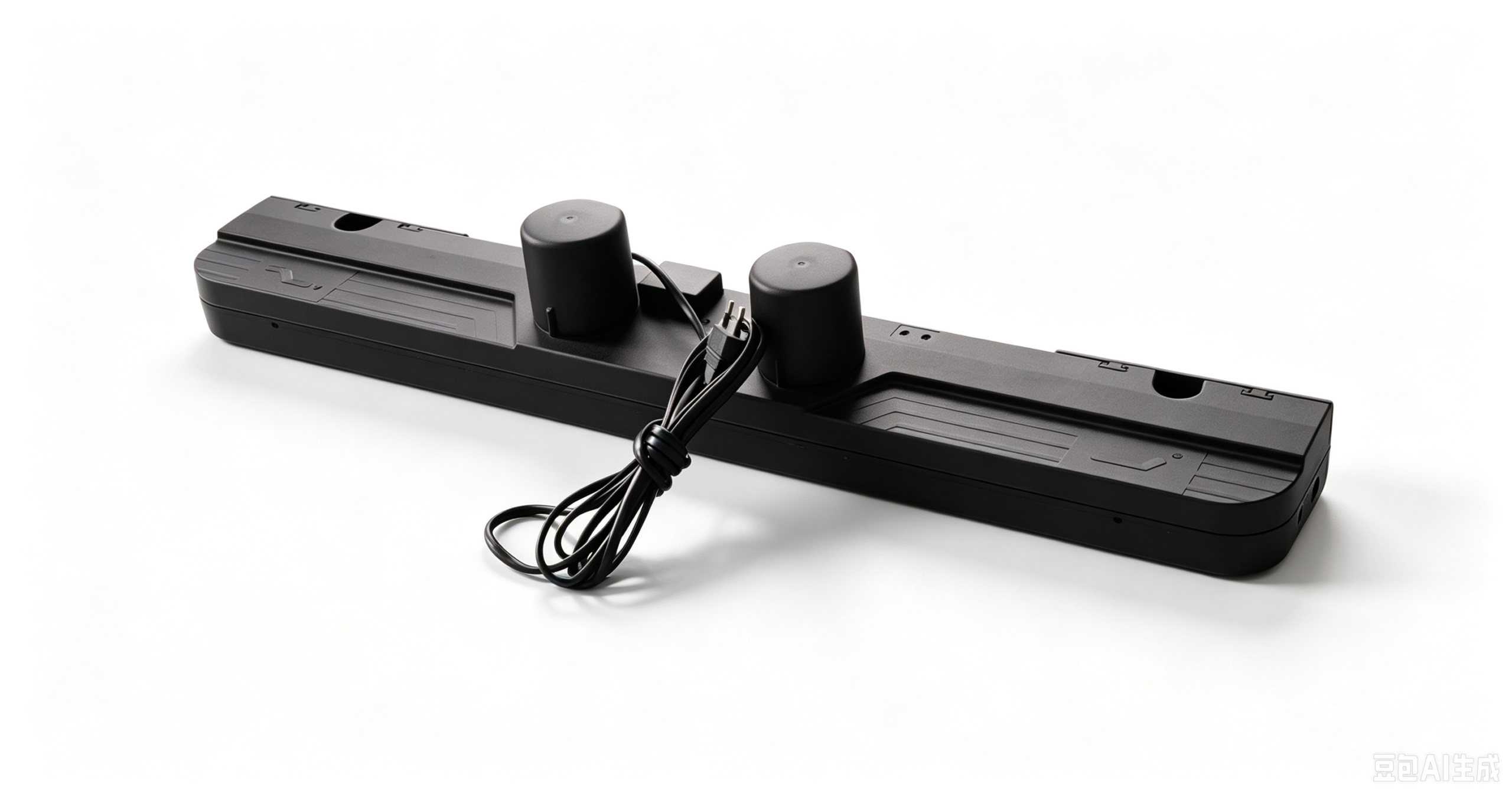
Linear Actuator: Reliable Linear Motion Solutions for Every Industry
What Is a Linear Actuator?
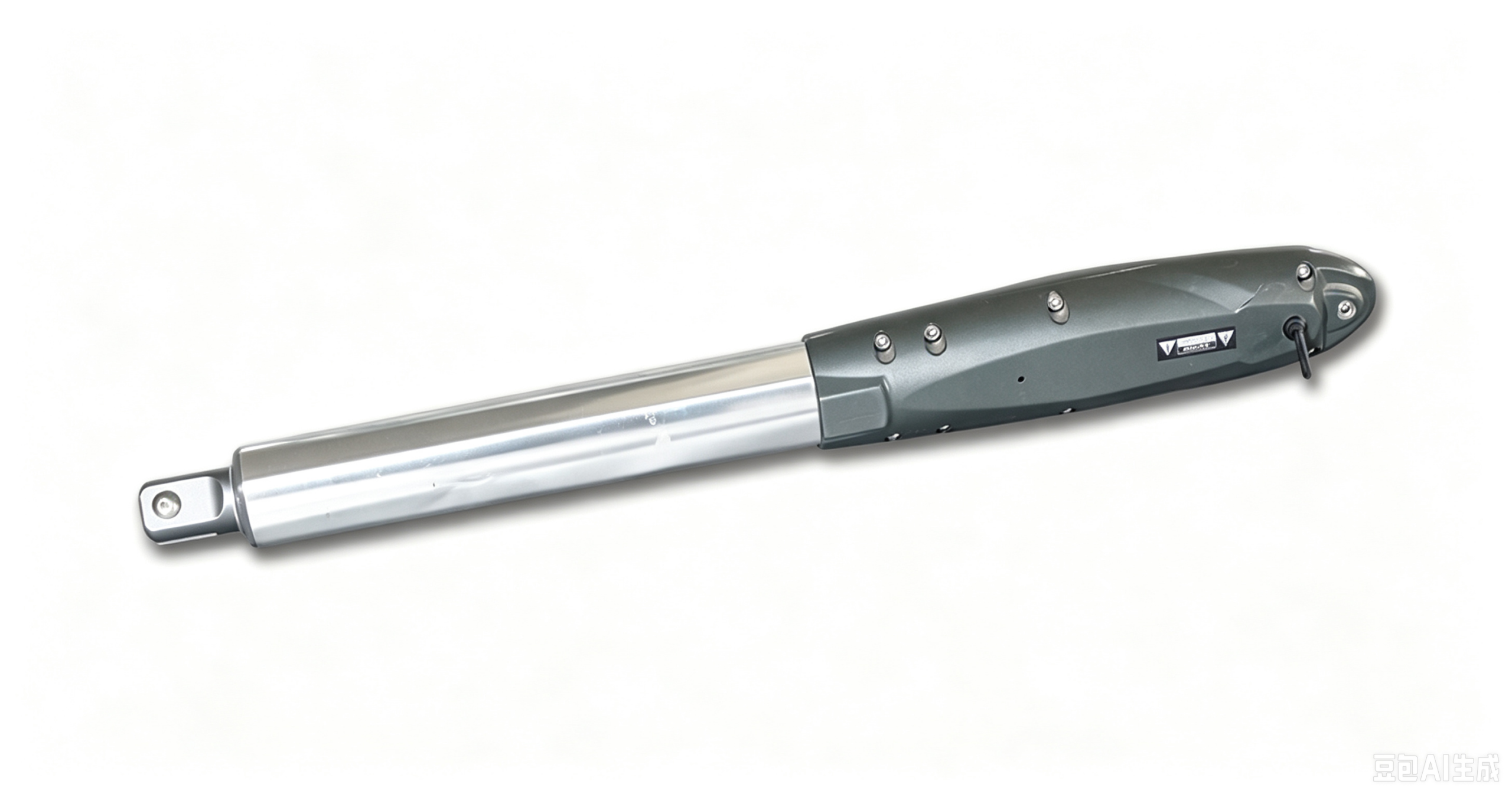
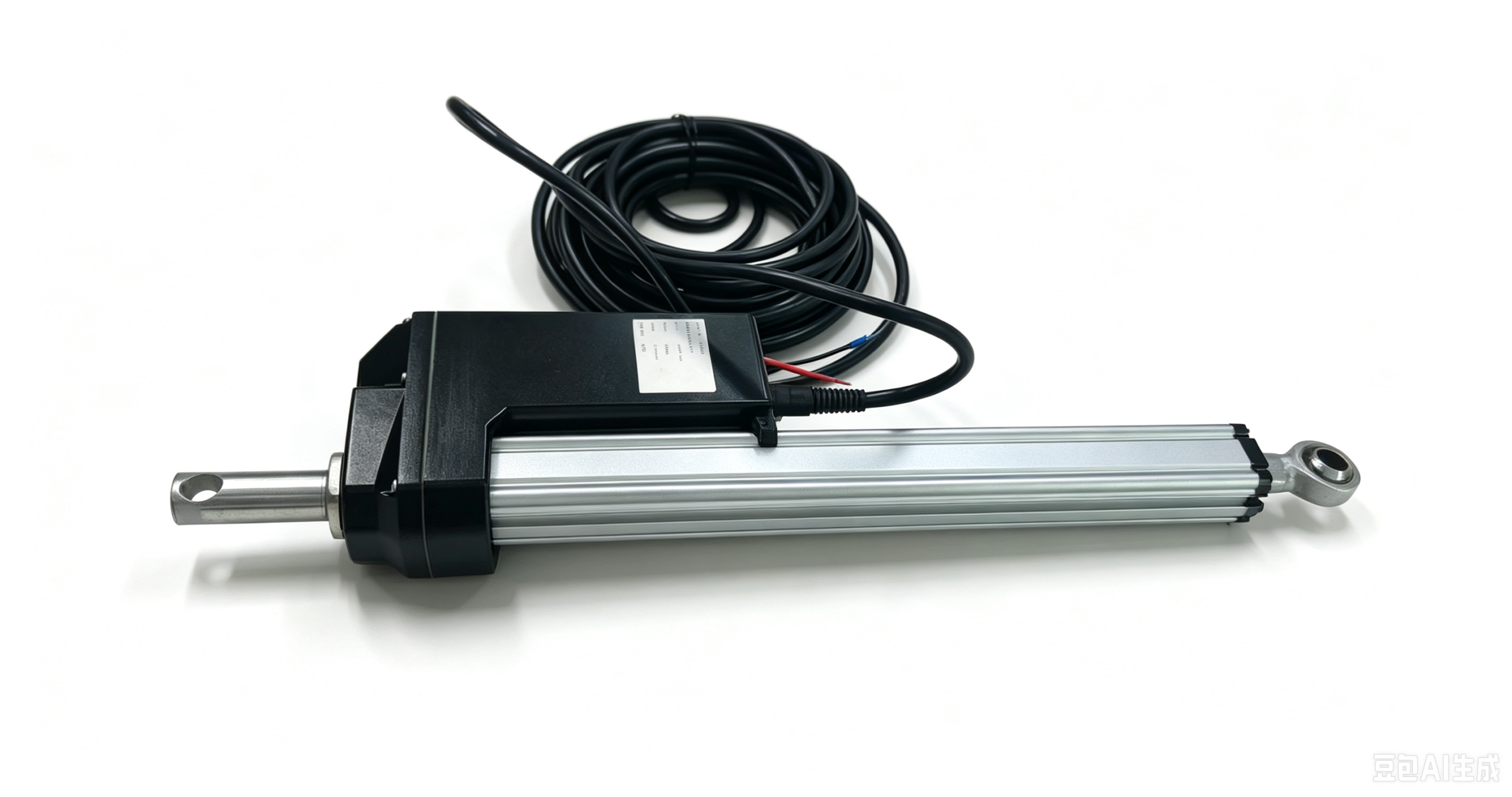
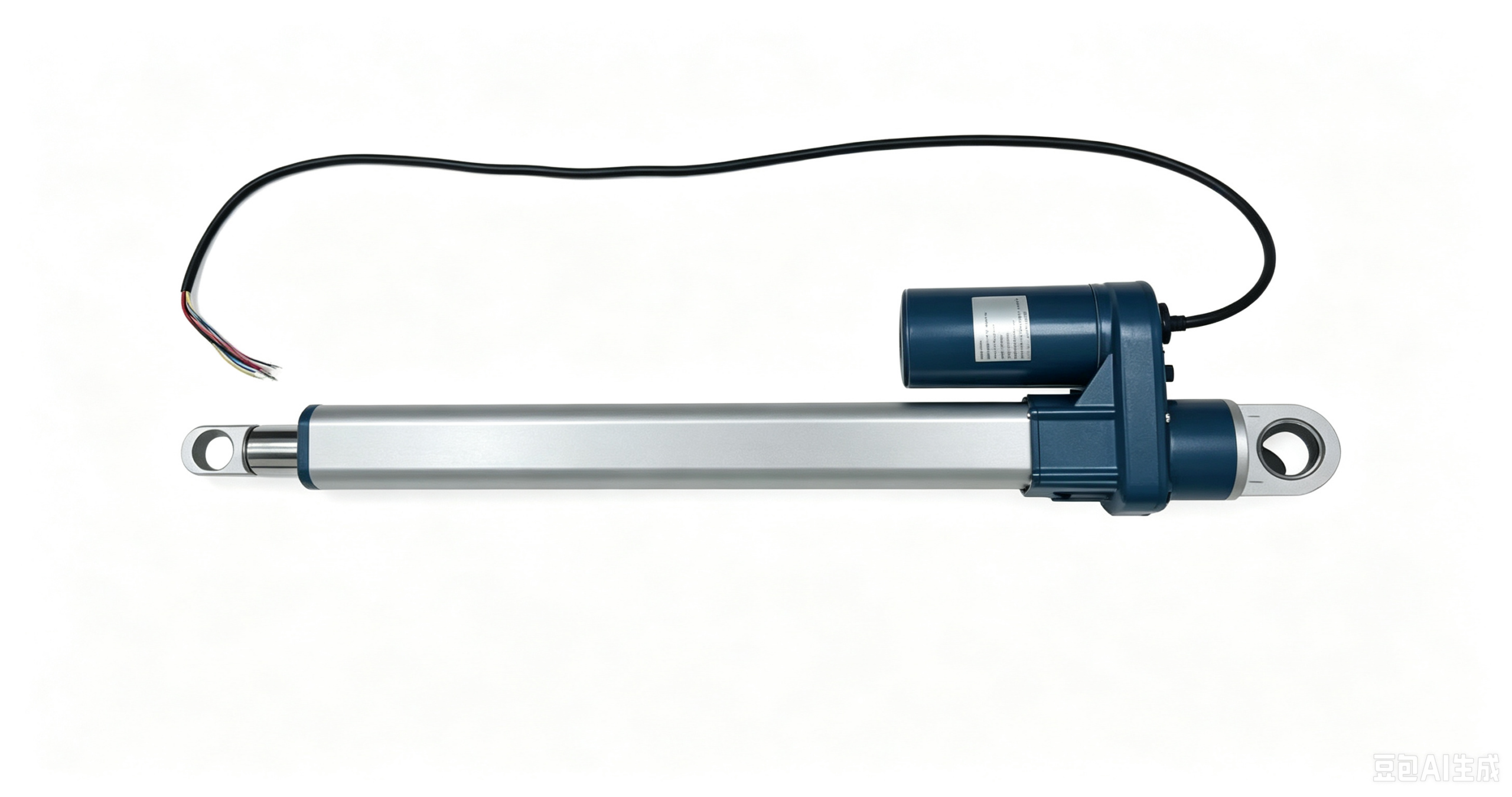
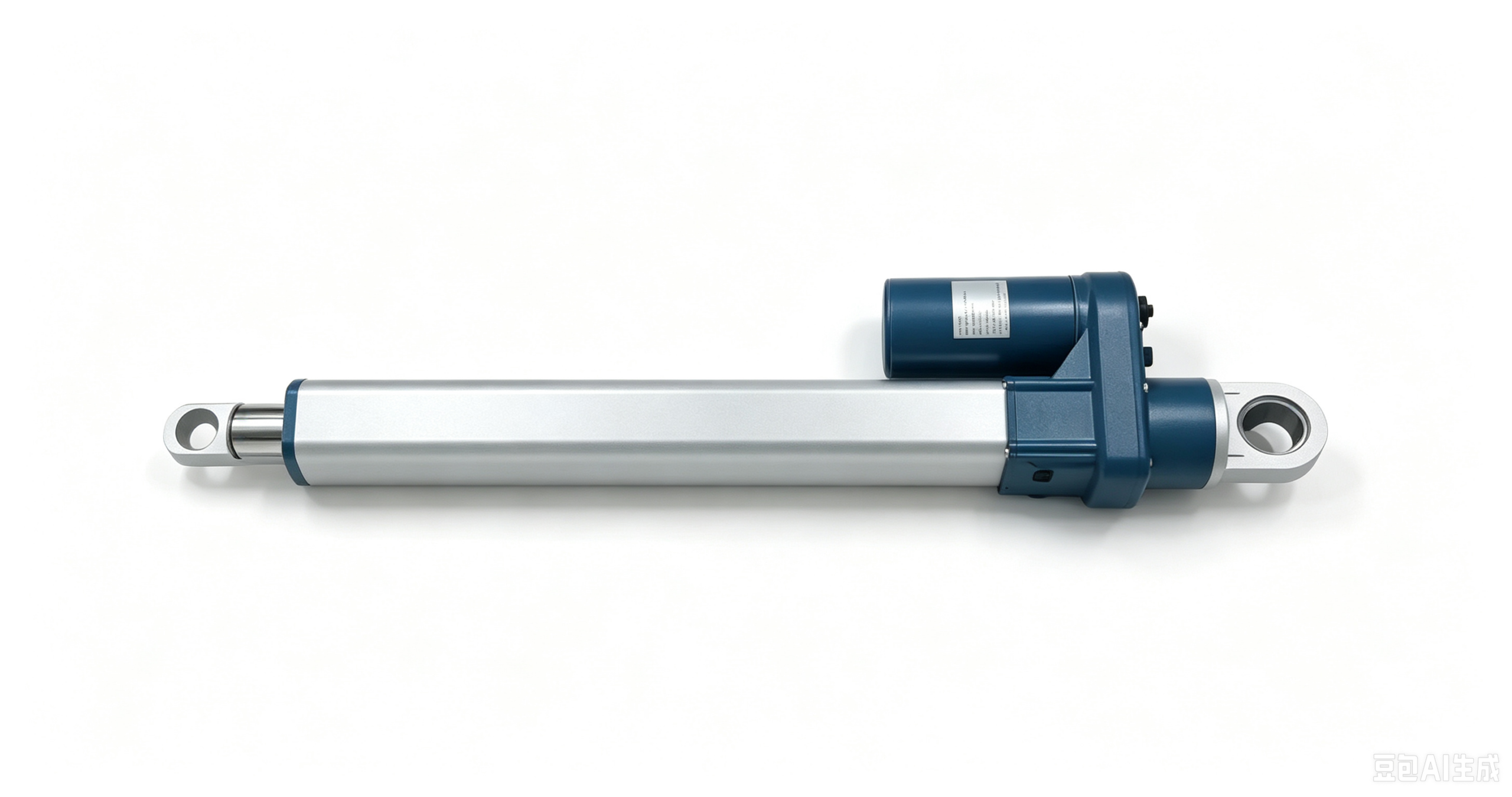
A linear actuator is a device that creates motion in a straight line — pushing, pulling, lifting, lowering, or positioning a load along a single axis. Among all actuation technologies, the electric linear actuator has become the dominant choice for modern machinery: it combines a motor, a lead screw or ball screw, and a gearbox in one compact, self-contained unit that converts electrical energy directly into controlled linear movement.
Compared with hydraulic and pneumatic alternatives, an electric linear actuator requires no pumps, compressors, hoses, or fluids. It installs with two wires or a simple drive connection, holds position without consuming power, and delivers years of maintenance-free service. From factory automation to agricultural machinery, from solar tracking to medical equipment, linear actuators are the muscle behind countless motion tasks.
How Does a Linear Actuator Work?
The working principle of an electric linear actuator is elegantly simple:
- Motor: A DC, AC, stepper, or servo linear actuator motor provides the rotary power source. DC brushed motors are common for simple extend/retract duty; servo and stepper options enable precision positioning.
- Gear reduction: A gearbox reduces motor speed and multiplies torque, matching the actuator’s output force to the application.
- Screw drive: The gearbox drives a lead screw (trapezoidal/acme) or ball screw. As the screw rotates, a nut travels along it, extending or retracting the actuator’s push rod.
- Guidance and protection: The rod moves within sealed housings with guide bearings, limit switches, and optional position feedback (potentiometer, Hall sensor, or encoder).
The result is a linear motion actuator that translates electrical commands into precise, controllable push-pull force — anywhere from a few newtons to tens of thousands.
Types of Linear Actuators We Manufacture
As an experienced linear actuator manufacturer, we cover the full spectrum of actuation technologies and form factors:
Standard Electric Linear Actuators (DC/AC) The workhorse for simple two-position or duty-cycle applications — hatches, valves, ergonomic adjustment, agricultural implements. Self-locking lead screws hold position without power; built-in limit switches simplify installation.
Industrial Linear Actuators Heavy-duty designs with reinforced housings, ball screw drives, IP65–IP67 protection, and duty cycles up to 100%. An industrial linear actuator replaces small hydraulic cylinders in factory automation, material handling, and outdoor machinery — with no oil, no leaks, and far lower maintenance.
High-Speed Ball Screw Actuators For automation axes requiring fast, frequent, and precise movement, ball screw models deliver speeds up to 100+ mm/s with repeatable positioning and long service life.
Servo & Stepper Driven Actuators Closed-loop linear actuator motor packages for multi-point positioning, force control, and synchronized multi-axis systems — a bridge between simple actuators and full electric cylinders.
Micro & Compact Linear Actuators Miniaturized units from 50 mm stroke for robotics, medical devices, furniture, and space-constrained installations.
| Type | Force Range | Speed | Duty Cycle | Typical Use |
|---|
| Standard DC actuator | 100 N – 10,000 N | 5–60 mm/s | 10–25% | Adjustable equipment, hatches |
| Industrial linear actuator | 500 N – 50,000 N | 5–100 mm/s | Up to 100% | Factory & outdoor machinery |
| Ball screw high-speed | 100 N – 20,000 N | Up to 150 mm/s | 30–100% | Automation axes |
| Servo/stepper actuator | 100 N – 30,000 N | Up to 200 mm/s | Up to 100% | Precision positioning |
| Micro actuator | 20 N – 2,000 N | 3–30 mm/s | 10–20% | Medical, robotics, furniture |
Why Choose an Electric Linear Actuator Over Hydraulic or Pneumatic?
- Clean and leak-free: No hydraulic oil, no compressed air — safe for food, medical, and indoor environments.
- Position holding without power: Self-locking screw designs hold loads securely when de-energized — a built-in fail-safe for vertical loads.
- Simple installation: Two power wires or one drive cable replaces entire hydraulic power units or pneumatic plumbing.
- Precise control: With feedback options, a linear motion actuator positions to fractions of a millimeter and synchronizes with other axes.
- Low total cost of ownership: No fluid changes, no seal replacements, no compressor energy — electricity consumed only while moving.
- All-weather reliability: Sealed IP65/IP67 designs operate outdoors in dust, rain, and temperature extremes where pneumatics freeze and hydraulics leak.
Typical Applications
Our linear actuators operate worldwide across these industries and more:
- Solar energy: Positioning photovoltaic panels in single-axis and dual-axis tracking systems — rugged industrial linear actuators engineered for 25-year outdoor service.
- Industrial automation: Lifting platforms, diverters, clamping, gates, and machine adjustment on production lines.
- Agricultural & construction machinery: Hood and chute adjustment, seat positioning, implement control — replacing hand cranks and small hydraulics.
- Medical & care equipment: Hospital beds, patient lifts, examination tables, and wheelchair mechanisms requiring quiet, smooth, safe motion.
- Furniture & ergonomics: Sit-stand desks, TV lifts, recliners, and adjustable workstations.
- Marine & outdoor equipment: Hatches, ramps, throttles, and deck gear in corrosion-resistant sealed designs.
- Ventilation & HVAC: Automated louvers, dampers, and window openers for buildings and greenhouses.
What Affects Linear Actuator Price?
The price of a linear actuator depends on specification choices — understanding them ensures you pay for exactly what your application needs:
- Force and stroke: Higher thrust and longer travel require larger screws, motors, and housings — the primary cost drivers.
- Screw type: Ball screws cost more than acme lead screws but deliver higher efficiency, speed, and duty cycle.
- Motor and feedback: Basic DC motors are most economical; Hall sensors, potentiometers, encoders, and servo packages add precision — and cost.
- Protection level: IP67 sealing, stainless-steel rods, and corrosion-resistant coatings for outdoor or washdown duty add material cost.
- Quantity and customization: Volume orders and OEM programs receive substantial factory discounts; custom strokes and mountings cost little extra when buying manufacturer-direct.
As a direct linear actuator manufacturer, we price factory-direct — typically 20–30% below distributor quotes for equivalent specifications — with standard models shipping in 7–15 working days.
Why Buy From a Direct Linear Actuator Manufacturer?
- Engineering support from the source: Free load/speed/duty-cycle sizing, wiring diagrams, and 3D CAD models from the engineers who design the product.
- Real customization: Stroke length, mounting clevises, cable length, connector, voltage (12/24/48 VDC, 110/220 VAC), feedback type, and color — tailored without distributor limitations.
- 100% outgoing testing: Every linear motion actuator is tested for force, speed, current draw, limit function, and noise before packing.
- Stable supply chain: In-house machining and assembly mean dependable lead times and long-term spare-part availability.
- Global logistics and support: Export documentation, flexible Incoterms, and responsive English-speaking technical support.
How to Select the Right Linear Actuator
Answer these six questions, and selection becomes straightforward:
- Force: How many newtons (or kilograms) must the actuator push or pull? Include friction, incline angles, and a 1.5–2× safety factor.
- Stroke: What travel distance is needed? Custom strokes cost little more than standard sizes when buying direct.
- Speed: How fast must the load move? Note the inverse force-speed relationship — specify both at the working point.
- Duty cycle: How many cycles per hour, and how long per movement? This determines lead screw vs. ball screw and motor class.
- Environment: Indoor, outdoor, washdown, dusty, or sub-zero? This sets the IP rating and material choices.
- Control: Simple extend/retract, adjustable mid-positions, or full closed-loop positioning? This defines feedback and drive electronics.
Send us these parameters and receive a matched model recommendation, datasheet, and quotation within 24 hours.
Frequently Asked Questions (FAQ)
Q1: What is the difference between a linear actuator and an electric cylinder? The terms overlap heavily. “Electric linear actuator” is the broad category covering everything from compact DC actuators to precision servo-driven rod actuators. “Electric cylinder” usually refers to higher-performance, servo-ready models designed as direct pneumatic cylinder replacements. We manufacture both and will recommend the right tier for your performance and budget targets.
Q2: What voltage options are available for your linear actuator motors? Standard options are 12 V, 24 V, and 48 V DC, plus 110/220 V AC versions. DC 24 V is the most common industrial choice. Servo and stepper driven models use matched drives at their rated bus voltages.
Q3: Can a linear actuator hold its position when power is off? Yes — actuators with acme lead screws are inherently self-locking and hold the load without power or brake. Ball screw models are more efficient but can back-drive; for vertical ball screw applications we offer brake motors.
Q4: What force ranges do your industrial linear actuators cover? Our industrial series spans 500 N to 50,000 N (roughly 50 kg to 5 tonnes) with strokes up to 1,500 mm. Higher forces are available through custom designs — contact our engineering team.
Q5: Are your linear actuators suitable for outdoor use? Yes. IP65 and IP67 models with corrosion-treated housings, stainless push rods, and wide-temperature grease (−40 °C options available) are proven in solar tracking, agriculture, and marine applications worldwide.
Q6: How long do electric linear actuators last? Service life depends on load and duty cycle, but typical ratings are 10,000–100,000+ cycles for standard units and millions of cycles for ball screw industrial models. We provide calculated life estimates for your specific operating point during selection.
Q7: Can multiple actuators run in synchronization? Yes. Models with Hall sensor or encoder feedback can be synchronized through our controllers — common for lifting platforms, solar arrays, and multi-leg height adjustment where uneven loading must be corrected in real time.
Q8: Do you offer position feedback options? Yes — potentiometer, Hall effect, reed switch, and optical encoder feedback are available across most series, enabling precise positioning, synchronization, and end-to-end stroke monitoring.
Q9: What is the typical price range and lead time? Prices vary with force, stroke, and options — from economical compact DC actuators to heavy industrial units. Factory-direct pricing is typically 20–30% below distributor levels. Standard models ship in 7–15 working days; customized configurations in 15–25 working days. Single-unit orders are welcome.
Q10: How do I get a quotation? Send us your required force, stroke, speed, duty cycle, voltage, and environment. Our engineers will reply within 24 hours with a recommended model, full datasheet, and competitive factory quotation.
Get Your Linear Actuator Quote Today
Whether you need one compact actuator for a prototype or ten thousand industrial linear actuators for an equipment program, our factory is ready to support you. Share your force, stroke, speed, and environment requirements, and our engineering team will respond with an optimized selection and a factory-direct quotation within 24 hours.
[Contact Us Now] — your trusted linear actuator manufacturer for quality, reliability, and value.
Learn more about our linear motor and electric cylinder products, you can go to visit our YouTube chanel, Facebook page, Instagram, Linkedin page.
Industrial linear actuators

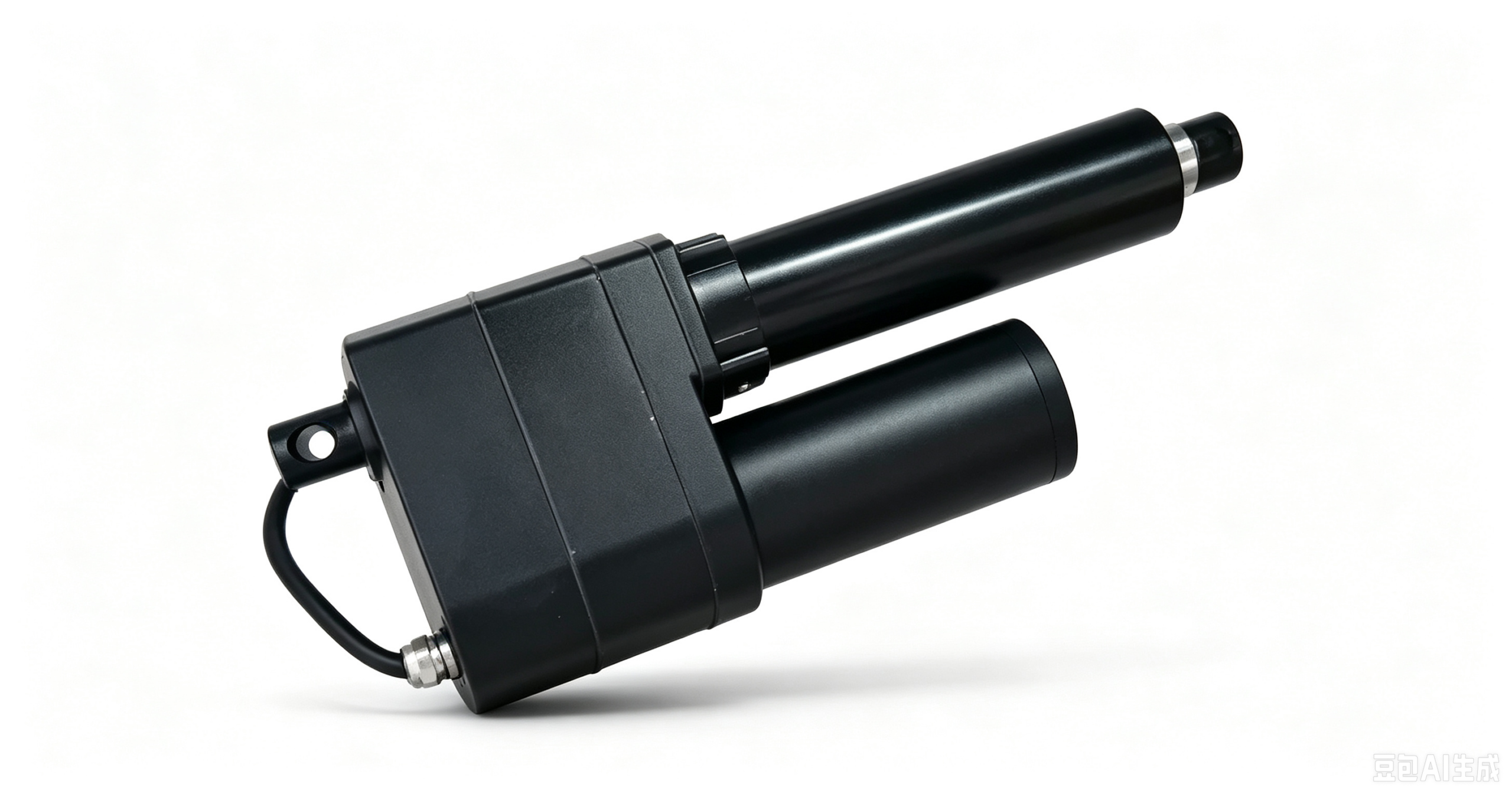
OD26 heavy duty electric linear actuator linear motor actuator[email protected]2026-08-28T05:48:10+00:00
Medical linear actuators