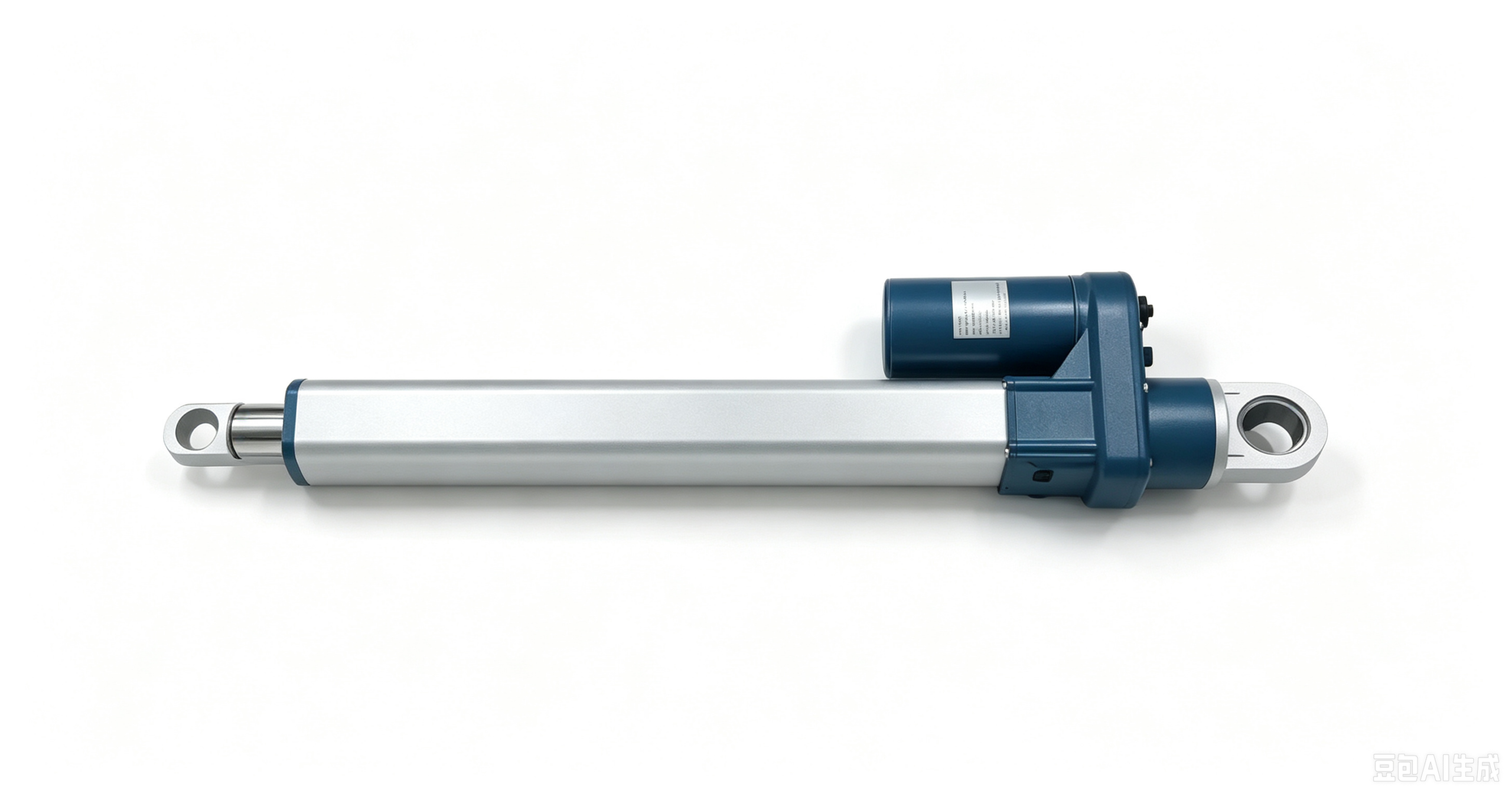
Solar Tracker Linear Actuators and Heavy Duty Linear Actuators: Driving the Future of Renewable Energy

Introduction: The Critical Role of Linear Actuation in Clean Energy Transition

The global transition toward renewable energy has created unprecedented demand for precision motion control technologies. Among these, electric linear actuators and heavy duty linear actuators have emerged as indispensable components across solar photovoltaic (PV), concentrated solar power (CSP), and wind energy systems. These electromechanical devices convert rotational motion into precise linear displacement, enabling real-time positional adjustments that maximize energy capture and system efficiency.

The market data underscores this technological importance. The global solar tracker actuator market reached USD 2.32 billion in 2025 and is projected to grow at a compound annual growth rate (CAGR) of 8.7% through 2034, ultimately reaching USD 4.74 billion

. Within this expanding market, solar tracker linear actuators currently dominate with approximately 36.5% of global market share, driven by their mechanical simplicity, positional reliability, and compatibility with large-scale utility projects

. The Asia Pacific region leads adoption, accounting for 38.5% of total market value (roughly USD 893 million), fueled by massive solar deployments in China and India

.

This article explores five critical application domains where solar tracker linear actuators and heavy duty linear actuators are transforming renewable energy infrastructure—from photovoltaic tracking systems to concentrated solar power heliostat fields, parabolic trough collectors, and wind turbine blade pitch control systems.

1. Solar Tracker Linear Actuators in Single-Axis Photovoltaic Tracking Systems

The Principle of Single-Axis Solar Tracking
Solar Tracker Linear Actuators in Single-Axis Photovoltaic Tracking Systems
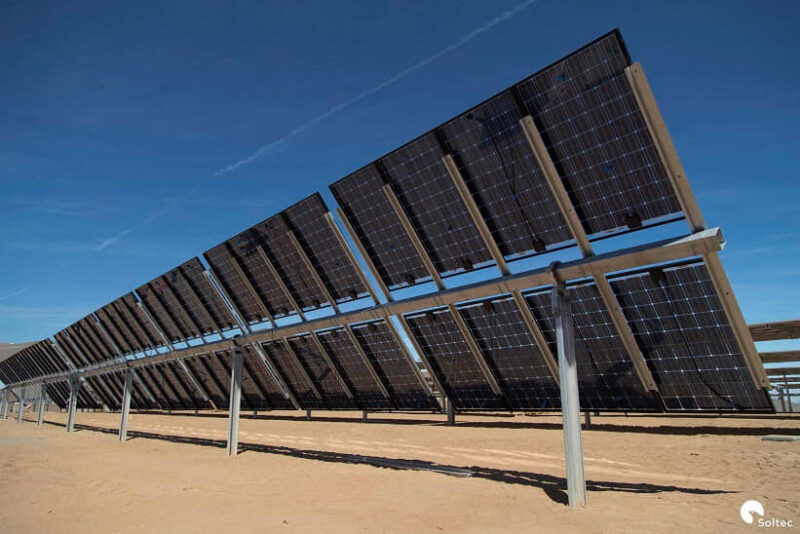
Single-axis solar trackers represent the most widely deployed tracking technology in utility-scale photovoltaic installations. These systems rotate solar panels along one axis—typically oriented north-south to track the sun’s east-to-west movement throughout the day. By maintaining optimal panel orientation relative to the sun’s position, single-axis trackers can increase energy yield by 20–35% compared to fixed-tilt installations, depending on geographic latitude and local weather conditions.
Solar tracker linear actuators serve as the primary drive mechanism in these systems. Mounted between the stationary foundation and the rotating torque tube or tracker frame, the actuator extends and retracts to precisely adjust the panel tilt angle. Modern single-axis trackers employ either centralized drive architectures (where one actuator drives multiple panel rows through a linked drivetrain) or decentralized configurations (with individual actuators per tracker unit).

Technical Requirements and Design Considerations

The operating environment for solar tracker linear actuators in single-axis systems is exceptionally demanding. These actuators must withstand:
  • Extreme temperature variations: From sub-zero winters to desert conditions exceeding 60°C
  • High wind loads: Dynamic wind pressures that can exceed 2,000 Pa during storm events
  • Dust and sand exposure: Particularly in arid regions where solar installations are most prevalent
  • Continuous duty cycles: Operating multiple times daily for 25+ year system lifespans
  • Corrosion resistance: Salt fog in coastal installations and chemical exposure in agricultural areas

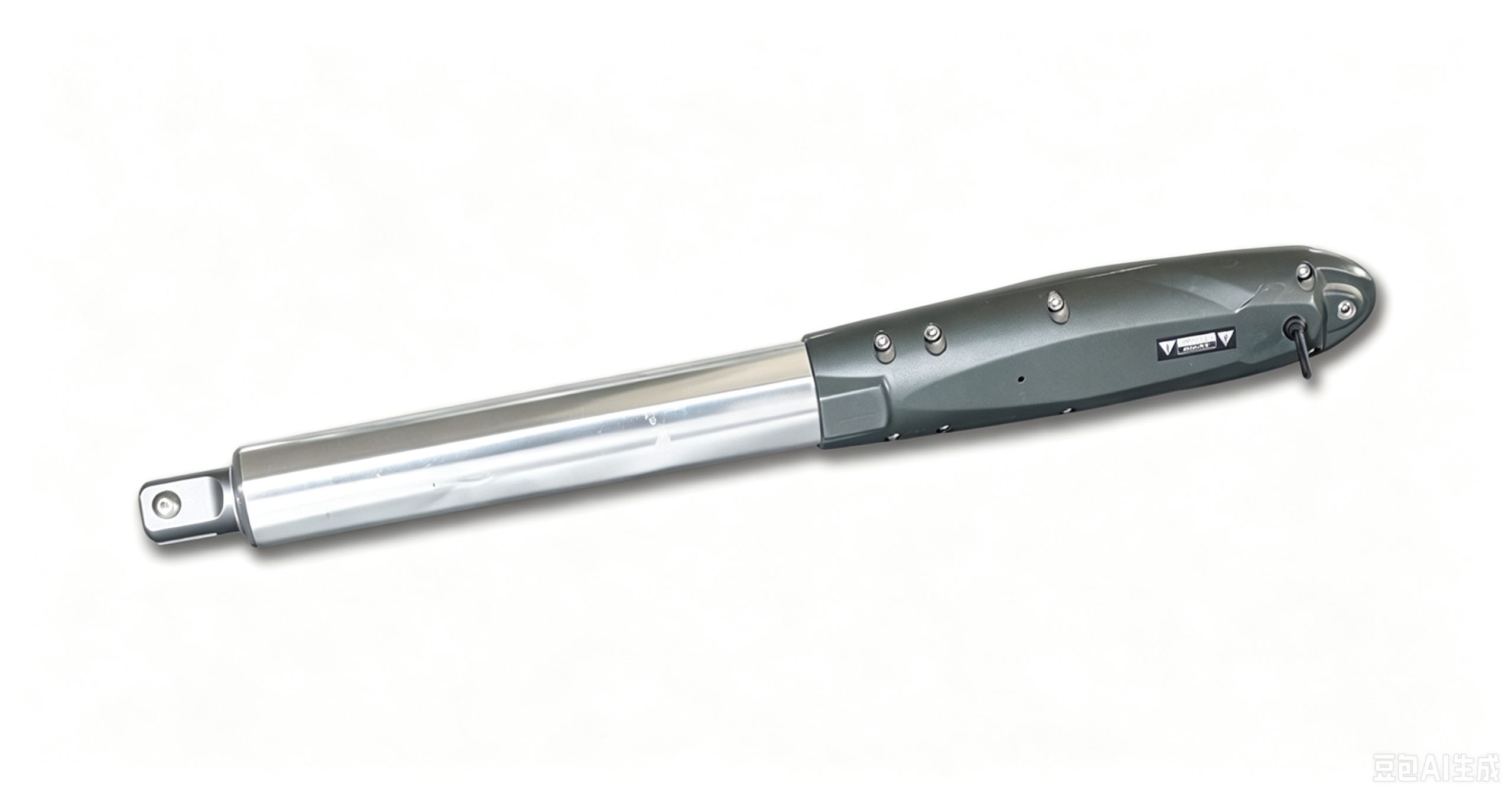
To meet these requirements, leading manufacturers engineer solar tracker linear actuators with IP65 or IP66 ingress protection ratings, stainless steel or aluminum alloy housings with specialized corrosion-resistant coatings, and integrated Hall effect sensors for closed-loop position feedback. The TOMUU U15A solar linear actuator, purpose-built for solar thermal applications, exemplifies these specifications with IP65/IP66 sealing, an operating temperature range of -35°C to +65°C, and integrated Hall sensors that eliminate the need for external position encoders

.

Real-World Implementation Examples

In utility-scale deployments across the southwestern United States, Middle Eastern deserts, and Australian outback, solar tracker linear actuators drive arrays spanning hundreds of hectares. A typical 100 MW single-axis solar farm may incorporate 5,000–10,000 individual actuators, each responsible for positioning 60–120 solar panels. The actuators communicate with central control systems that calculate optimal tracking angles based on astronomical algorithms, local weather data, and backtracking strategies to prevent inter-row shading during low sun angles.
For residential and small commercial applications, compact solar tracker linear actuators enable dual-panel and quad-panel tracking systems. Products such as the BOFU Mini Solar Tracker utilize linear actuators in conjunction with slewing bearings to provide astronomical time-based tracking for home and small farm installations, delivering IP56 waterproof protection suitable for outdoor environments

Suitable Products:

2. Dual-Axis Solar Tracking: Maximizing Energy Capture with Precision Linear Actuation

solar tracker linear actuators

Enhanced Tracking Performance

While single-axis trackers capture the sun’s daily east-west motion, dual-axis solar trackers add a second degree of freedom—typically elevation adjustment—to track the sun’s seasonal north-south variation. This dual-axis capability enables panels to maintain near-perpendicular incidence with solar radiation throughout the year, yielding energy gains of 35–45% over fixed systems and 10–15% over single-axis configurations.
Dual-axis tracking is particularly valuable in:
  • High-latitude regions where seasonal sun angle variations are pronounced
  • Concentrated photovoltaic (CPV) systems that require precise optical alignment
  • Research and demonstration facilities where maximum energy yield is prioritized over capital cost
  • Small-scale commercial installations where land constraints favor higher energy density per unit area

Dual-Axis Actuator Architecture

Dual-axis tracking systems require two independent actuation systems working in concert. The primary solar tracker linear actuator typically controls the azimuthal (horizontal) rotation of the tracker structure, while a secondary actuator manages the elevation (tilt) adjustment. In some designs, slewing drives with worm gearboxes handle the azimuthal movement, while heavy duty linear actuators manage elevation adjustment through a four-bar linkage or direct-drive mechanism.
The coordination between these actuators demands sophisticated control algorithms. The control system must simultaneously calculate both azimuth and elevation angles, compensate for mechanical backlash, and implement wind-stow protocols that flatten the array during high-wind events to minimize structural loads. Position feedback from integrated encoders or Hall sensors in each actuator enables closed-loop control with tracking precision typically within ±0.5 degrees—sufficient for standard PV panels but critical for CPV systems requiring ±0.1 degree accuracy.

Market Position and Growth Trajectory

The dual-axis tracker segment represents a growing niche within the broader solar tracker actuator market. While single-axis systems dominate utility-scale deployments due to their favorable cost-benefit ratio, dual-axis tracking is gaining traction in distributed generation, agrivoltaics (combining agriculture with solar generation), and premium commercial installations where land costs justify the additional tracking precision. The global solar tracker actuator market’s projected growth to USD 4.74 billion by 2034 encompasses both single-axis and dual-axis applications, with linear actuators maintaining their dominant market position across both segments

Suitable Products:

3. Heavy Duty Linear Actuators in Concentrated Solar Power (CSP) — Heliostat Fields

Heavy Duty Linear Actuators in Concentrated Solar Power (CSP) — Heliostat Fields

The Heliostat Tracking Challenge

Concentrated Solar Power (CSP) tower systems represent one of the most visually striking applications of renewable energy technology. These facilities deploy thousands of individually controlled mirrors called heliostats—each typically 10–150 square meters in area—that track the sun’s position and reflect sunlight onto a central receiver atop a tall tower. The concentrated thermal energy heats a working fluid (molten salt, steam, or air) to temperatures exceeding 500°C, driving conventional steam turbines for power generation.
The tracking precision required for heliostat systems is substantially more demanding than for photovoltaic trackers. Each heliostat must maintain angular accuracy within ±1 milliradian (approximately ±0.057 degrees) to ensure that reflected sunlight converges precisely on the relatively small receiver aperture. This precision must be maintained across two axes—azimuth (horizontal rotation) and elevation (vertical tilt)—while each heliostat operates independently with its own control system.

Heavy Duty Linear Actuator Implementation

Heavy duty linear actuators are the preferred drive technology for heliostat tracking systems, particularly for elevation control. Common drive architectures employ a linear actuator to apply load to the bottom surface of the heliostat mirror, rotating it about a pivot point

. The actuator’s extension and retraction directly control the mirror’s tilt angle, while a separate rotary drive or second linear actuator manages azimuthal positioning.

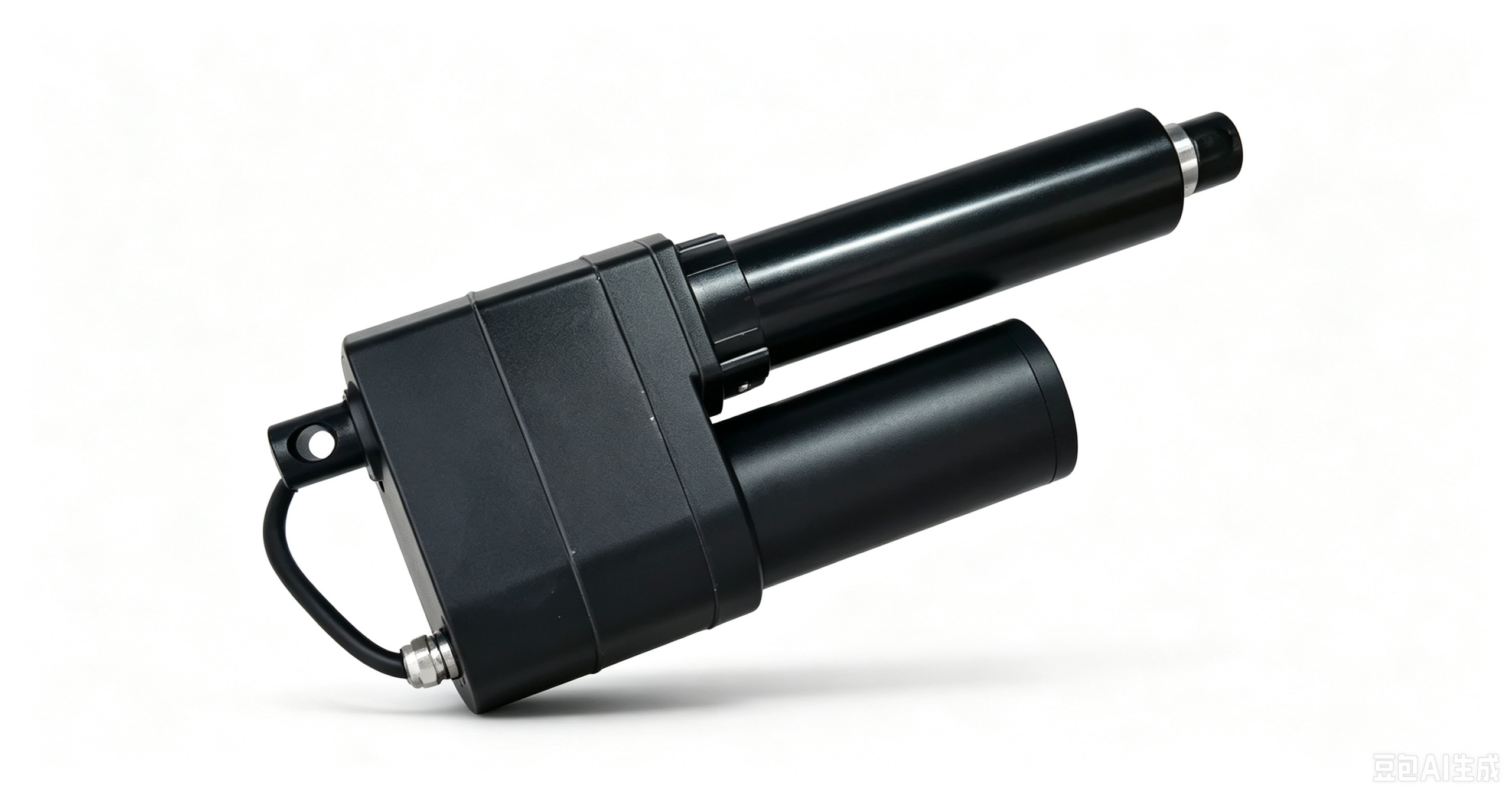
The TOMUU U23D electric linear actuator exemplifies heavy duty linear actuators engineered specifically for CSP tower applications. Deployed in a 100 MW tower-type CSP project in Tibet, these actuators provide the precise positioning and stable operation required for high-altitude, high-irradiance environments

. The U15A model, another purpose-built heavy duty linear actuator for heliostat applications, delivers 3,300–4,700 N of push/pull force with a remarkable 15,000 N static load capacity, ensuring structural stability even under extreme wind conditions

.

Scale and Complexity of Modern Heliostat Fields

The scale of modern CSP tower projects illustrates the critical importance of reliable heavy duty linear actuators. The Noor Ouarzazate Solar Complex in Morocco features over 7,400 heliostats, each individually actuated. China’s Delingha 50 MW CSP tower utilizes approximately 27,000 heliostats. At this scale, actuator reliability becomes paramount—each failure represents not only repair costs but also lost energy production and potential safety hazards from misaligned mirrors.
Manufacturers address these challenges through rigorous quality assurance, including 72-hour full-load aging testing, redundant position sensing, and sealed designs that prevent dust and moisture ingress. The wide operating temperature range of -35°C to +65°C accommodates the extreme thermal cycles experienced in desert CSP installations, from freezing desert nights to scorching midday conditions

Suitable Products:

4. Heavy Duty Linear Actuators in Parabolic Trough CSP Systems

Heavy Duty Linear Actuators in Concentrated Solar Power (CSP) — Heliostat Fields

Parabolic Trough Collector Technology

Parabolic trough CSP systems represent the most commercially mature concentrated solar thermal technology. These systems employ long, parabolic-shaped reflectors that focus sunlight onto a receiver tube positioned at the focal line. A heat transfer fluid—typically synthetic oil or molten salt—circulates through the receiver tube, absorbing thermal energy at temperatures up to 400°C before transferring heat to a power generation cycle.
Unlike heliostat fields where each mirror operates independently, parabolic trough collectors are arranged in long parallel rows (typically 100–150 meters in length) that must rotate in unison to track the sun’s elevation. This collective tracking requirement creates unique actuation challenges that heavy duty linear actuators are specifically engineered to address.

Linear Actuator Drive Architectures

Parabolic trough tracking systems commonly employ heavy duty linear actuators as the primary drive mechanism, typically arranged in one of two configurations:

Centralized Drive Systems: A single heavy duty linear actuator drives a transmission beam connected to multiple troughs via wire linkages or connection bars. When the actuator pushes the tracking beam, the connected troughs pivot simultaneously about their axes. This architecture reduces actuator count and simplifies maintenance but requires precise mechanical alignment to prevent binding

.

Distributed Drive Systems: Individual actuators serve smaller trough groups, providing greater redundancy and fault tolerance. In some advanced configurations, dual linear actuators work in opposition—one pulling while the other releases—to eliminate mechanical backlash and improve tracking precision

.

Technical Specifications and Performance Requirements

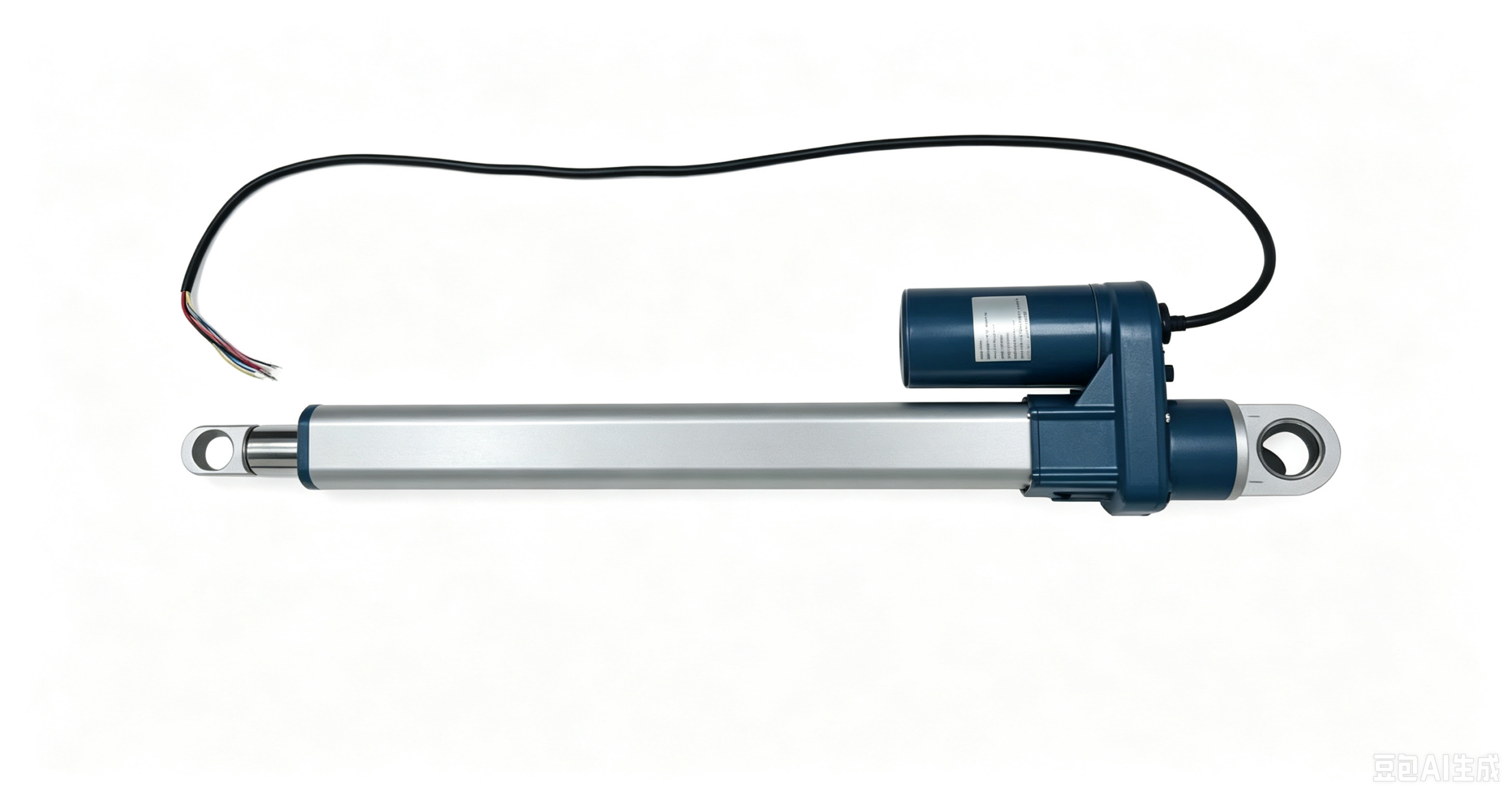
Heavy duty linear actuators for parabolic trough applications must deliver substantial force to overcome the inertia of large trough structures while maintaining precise positional control. A typical utility-scale trough module may weigh 5–15 tons and require actuators capable of delivering 5,000–15,000 N of dynamic force with stroke lengths of 200–800 mm depending on trough geometry and tracking range requirements.

The Heatray Solar parabolic trough system illustrates a representative implementation: a single unit comprising 20 troughs arranged in five rows of four, with a single actuator and controller governing the mechanical movement of all troughs through a gear and rack-pinion arrangement

. This design demonstrates how heavy duty linear actuators can efficiently drive large trough arrays while minimizing system complexity and maintenance requirements.

Environmental protection is equally critical. Parabolic trough installations in desert regions face intense UV radiation, sand abrasion, and wide temperature swings. Actuators must feature robust sealing (IP65 minimum, with IP66 preferred), corrosion-resistant materials, and lubrication systems designed for multi-year maintenance-free operation.

Suitable Products:

5. Heavy Duty Linear Actuators in Wind Turbine Blade Pitch Control

5. Heavy Duty Linear Actuators in Wind Turbine Blade Pitch Control

The Critical Function of Pitch Control

Wind turbine blade pitch control represents one of the most technically demanding applications for heavy duty linear actuators in the renewable energy sector. Installed within the confined space of the turbine nacelle or hub, pitch control systems adjust the angle of attack of each turbine blade relative to the wind direction. This adjustment serves three critical functions:
  1. Power optimization: By fine-tuning blade pitch across varying wind speeds, turbines maintain maximum aerodynamic efficiency and energy capture. Research indicates that optimized pitch systems can enhance annual energy production (AEP) by 40–60% depending on wind conditions

    .

  2. Overspeed protection: When wind speeds exceed rated capacity, blades are pitched “out of the wind” (feathered) to reduce aerodynamic torque and prevent mechanical overload.
  3. Emergency shutdown: In extreme wind events or system faults, pitch systems rapidly feather all blades to bring the rotor to a controlled stop—a safety-critical function that demands absolute actuator reliability.

Electric Actuators vs. Hydraulic Systems

Historically, hydraulic actuators dominated wind turbine pitch control due to their high force density. However, the industry has increasingly transitioned to electric heavy duty linear actuators driven by compelling advantages:

Reduced Weight and Size: Electric actuators deliver comparable performance with significantly reduced mass, improving overall turbine efficiency and reducing tower head loads

.

Simplified Installation: Electric actuators require no hydraulic fluid lines, pumps, or reservoirs, dramatically reducing installation complexity and system footprint.

Minimal Maintenance: With no fluids to change and no leak potential, electric actuators eliminate the environmental and safety hazards associated with hydraulic systems. This advantage is particularly critical for offshore wind farms where maintenance access is costly and weather-dependent

.

Precise Control: Electric actuators provide superior positional accuracy, enabling blade pitch control within fractions of a degree—essential for maintaining optimal tip-speed ratios across varying wind conditions

.

Self-Locking Capability: Many electric heavy duty linear actuators feature inherent self-locking when de-energized, simplifying safety system design by eliminating the need for separate braking mechanisms

.

Heavy Duty Linear Actuator Specifications for Wind Applications

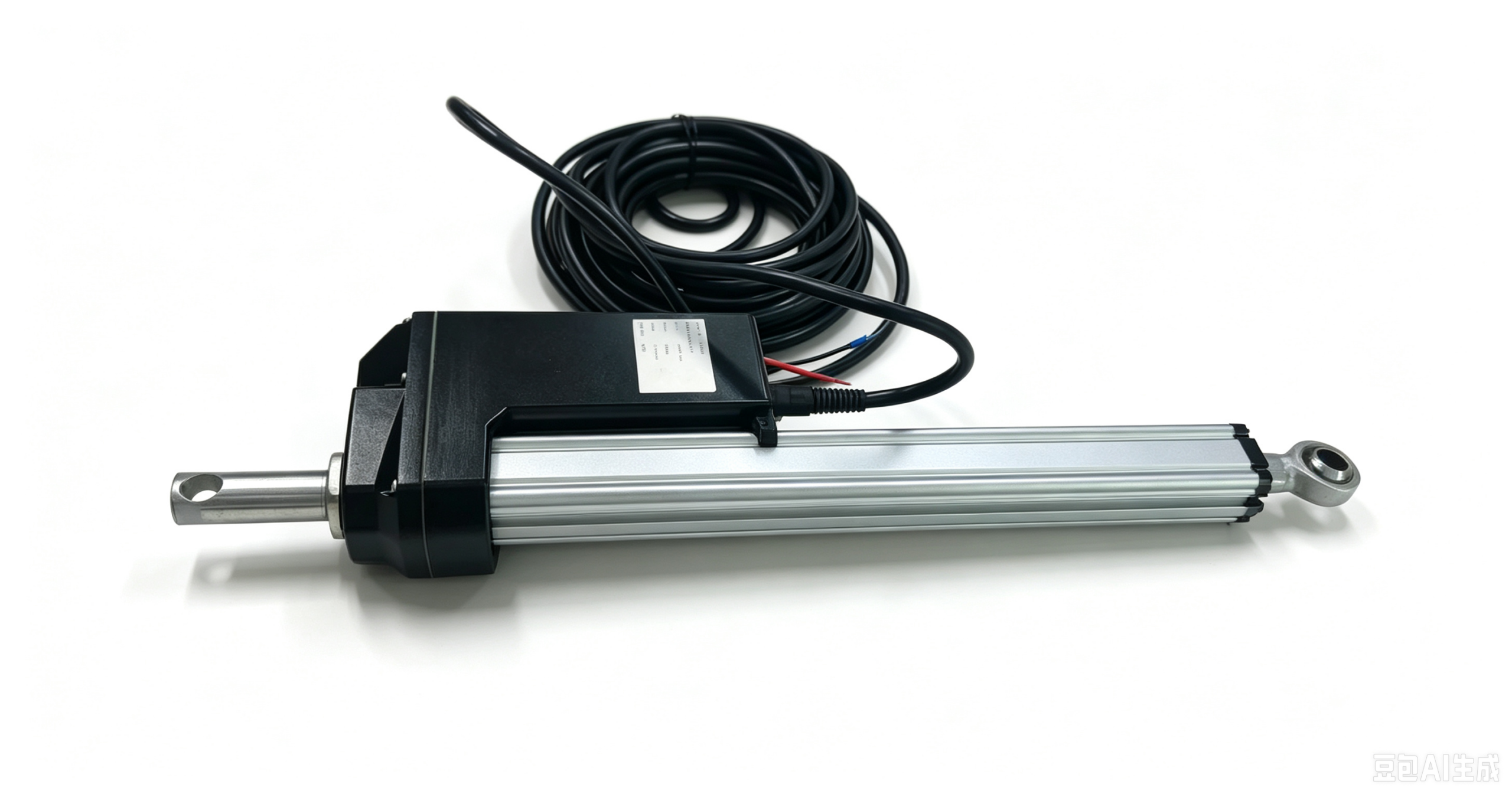
Wind turbine pitch control demands actuators capable of withstanding extraordinary mechanical and environmental stresses. The Warner Linear B-Track K2 series exemplifies heavy duty linear actuators engineered for wind applications, delivering forces up to 9,800 N—the highest load rating in its class—while utilizing a patented straight-line load transfer system to maximize load capacity in a compact package

.

These actuators feature double ball bearing motors, heat-treated gears, protective coatings, and O-ring seals throughout. Lubricated for life, they require minimal maintenance even in the most demanding offshore environments where salt spray, humidity, and temperature extremes challenge every component.

Beyond pitch control, heavy duty linear actuators serve additional functions in wind turbine systems, including nacelle yaw adjustment to align the rotor with wind direction, rotor locking for maintenance safety, service hatch actuation, and ventilation system control within the nacelle

.

Suitable Products: