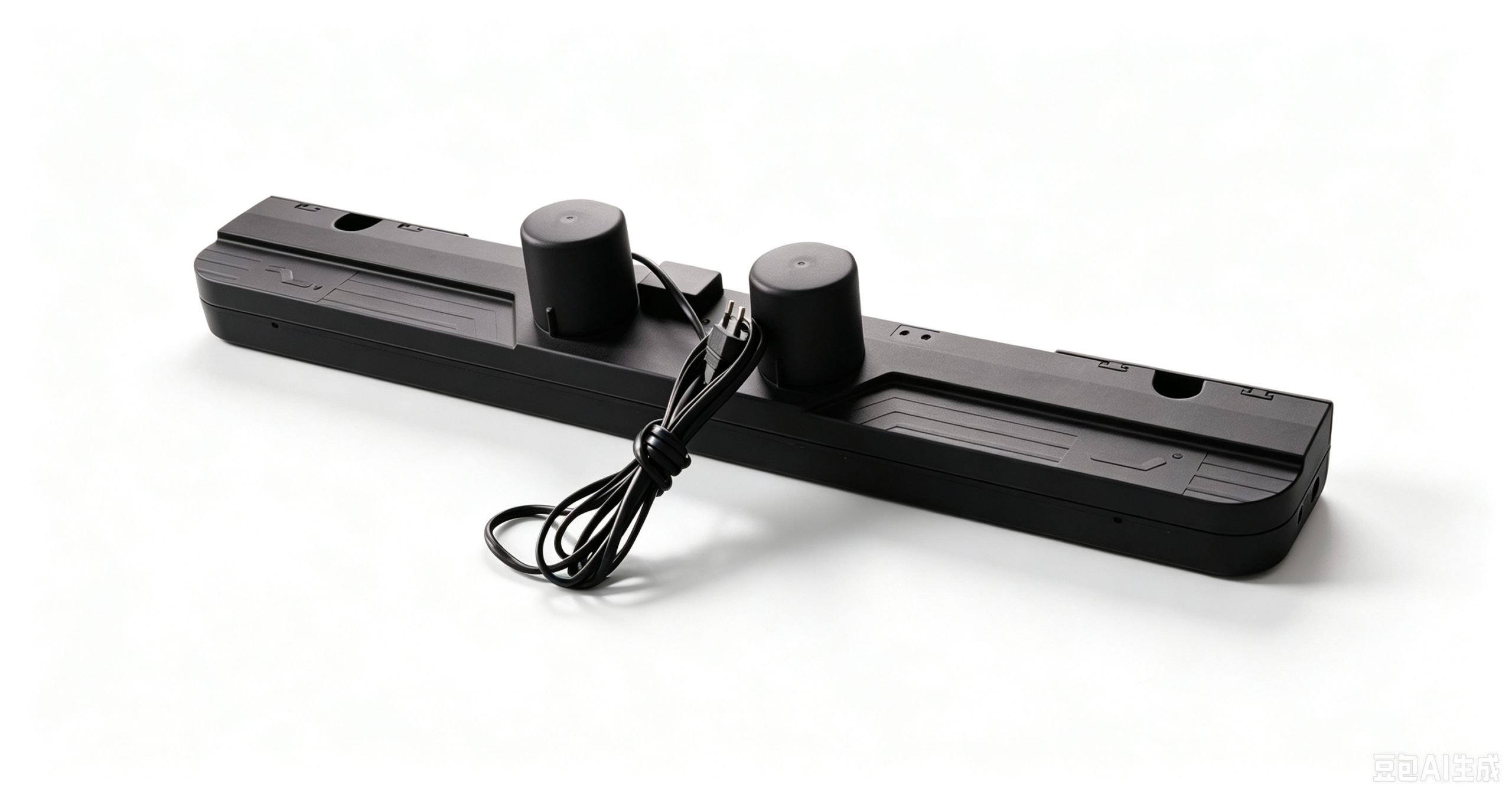
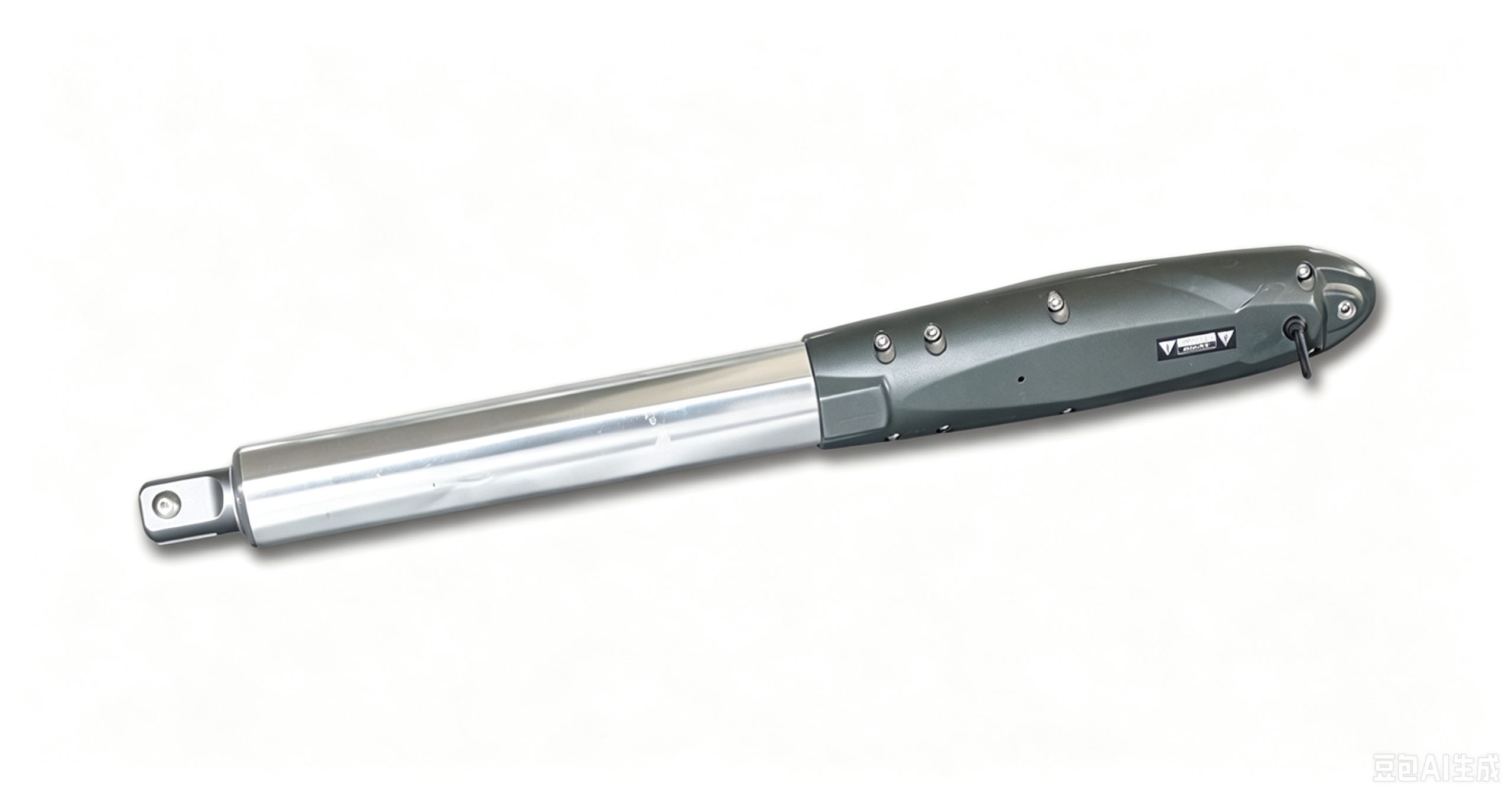
Medical Linear Actuators: The Unsung Heroes Powering Modern Healthcare Equipment
Introduction: The Critical Role of Medical Linear Actuators in Contemporary Medicine
In the rapidly evolving landscape of modern healthcare, precision, reliability, and patient comfort have become non-negotiable pillars of medical device design. At the heart of this transformation lies a technology that often goes unnoticed by patients and even many healthcare professionals: medical linear actuators. These electromechanical devices convert rotational motion into precise linear displacement, enabling the smooth, controlled movement that powers everything from hospital beds and surgical tables to dental chairs and rehabilitation equipment. As healthcare facilities worldwide continue to invest in cutting-edge medical technologies, the demand for medical linear actuators with accurate control and dependability has surged dramatically.
The global linear actuator market has witnessed substantial growth over the past decade, driven by increasing automation across industries, rising demand for energy-efficient motion control systems, and the growing adoption of electric actuators over hydraulic and pneumatic alternatives.
According to industry reports, the global linear actuator market size reached approximately $2.62 billion in 2025 and is projected to grow at a compound annual growth rate (CAGR) of around 4.11%, reaching approximately $3.92 billion by 2035.
Within this broader market, the medical segment represents one of the most critical and fastest-growing application areas, accounting for approximately 25% of total market demand.
What makes medical linear actuators particularly indispensable is their unique combination of attributes tailored for healthcare environments. Unlike industrial actuators, medical-grade variants must meet stringent regulatory standards including ISO 13485, IEC 60601-1, and FDA requirements. They must operate with minimal noise to maintain quiet hospital environments, deliver smooth and precise motion to ensure patient safety during delicate procedures, and withstand rigorous cleaning protocols involving disinfectants and sterilization procedures. Furthermore, the integration of smart technologies such as IoT connectivity, embedded sensors, and predictive maintenance capabilities has elevated medical linear actuators from simple mechanical components to intelligent, connected devices that form the backbone of smart healthcare infrastructure.
Leading manufacturers such as LINAK (Denmark), TiMOTION (Taiwan), JIECANG (China), and Bosch Rexroth (Germany) have pioneered innovations specifically designed for medical applications.
These companies offer modular system solutions that include not just the actuators themselves, but also control boxes, hand controls, footswitches, nurse control panels, and sophisticated software interfaces. For instance, LINAK’s OneConnect™ platform provides remote access to service data for fast and efficient troubleshooting from anywhere in the world, significantly reducing equipment downtime in critical healthcare settings.
1. Hospital Beds and ICU Care Beds: Revolutionizing Patient Positioning and Nursing Efficiency
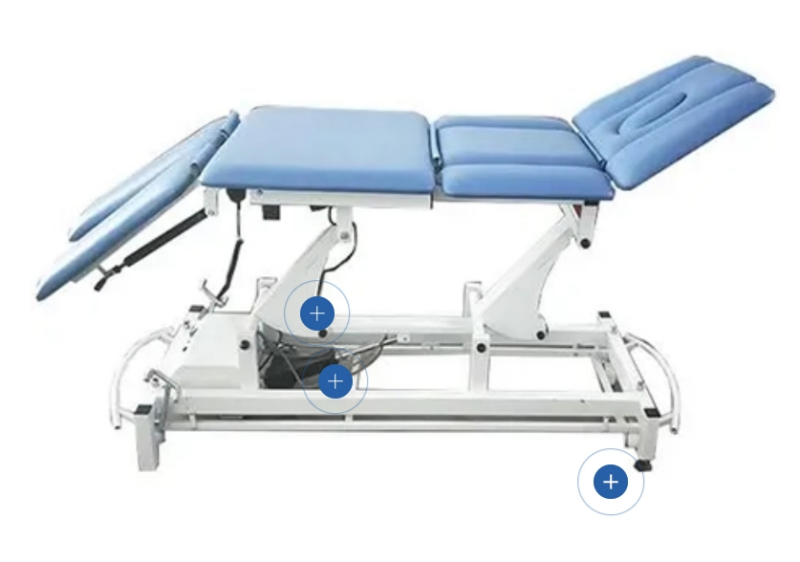
Hospital beds represent one of the most ubiquitous and essential pieces of equipment in any healthcare facility, and they are also among the most significant beneficiaries of medical linear actuator technology. Electric hospital beds utilize linear actuators to enable motorized adjustment of the backrest, leg rest, and overall bed height, fundamentally transforming patient care by reducing manual labor for nursing staff while simultaneously improving patient comfort and clinical outcomes. The transition from manual crank beds to fully electric models powered by medical linear actuators has been one of the most impactful technological shifts in hospital furniture over the past two decades.
In a typical modern electric hospital bed configuration, three to four medical linear actuators work in concert to provide comprehensive positioning capabilities. The backrest actuator, usually mounted beneath the bed deck, enables Fowler’s positioning—raising the head of the bed between 45 and 90 degrees—which is critical for patients with respiratory distress, cardiac conditions, or those at risk of aspiration. A separate leg rest actuator facilitates the elevation of the lower extremities, promoting venous return and reducing edema. The most crucial actuator from a nursing perspective is the height adjustment actuator, which allows the entire bed platform to be raised or lowered vertically, typically within a range of 540mm to 790mm.
This vertical adjustability is essential for ergonomic patient handling, enabling nurses to work at appropriate heights during wound care, bathing, and transfer procedures, thereby significantly reducing the risk of musculoskeletal injuries.
ICU care beds demand even more sophisticated medical linear actuator configurations. Intensive care patients often require precise Trendelenburg positioning (head-down tilt) or reverse Trendelenburg positioning (head-up tilt) to manage hemodynamics, facilitate drainage, or optimize ventilation. These specialized positions require actuators capable of delivering synchronized, coordinated movement across multiple axes while maintaining absolute stability. ICU beds also frequently incorporate cardiac chair positioning, where the backrest is raised and the knee break is simultaneously engaged, creating a seated posture that reduces cardiac workload and improves respiratory mechanics. The actuators powering these movements must deliver forces ranging from 3,000N to 6,000N while maintaining whisper-quiet operation—typically below 50 decibels—to avoid disturbing critically ill patients in already stressful environments.
Leading manufacturers have developed specialized medical linear actuators specifically engineered for hospital bed applications. TiMOTION’s TA31QR series, for example, offers a maximum push load of 5,000N with stroke lengths ranging from 25mm to 450mm, housed in an IP66-rated enclosure that withstands rigorous cleaning protocols.
LINAK’s LA40 and LA44 actuator families feature integrated Hall sensors for precise position feedback, enabling the bed control system to memorize and recall preferred positions for individual patients. JIECANG motors have become increasingly prevalent in cost-sensitive markets, offering reliable performance for standard hospital beds with specifications including backrest angles up to 75 degrees and footrest angles up to 40 degrees.
From an infection control perspective, medical linear actuators used in hospital beds must withstand aggressive cleaning regimens involving quaternary ammonium compounds, bleach solutions, and hydrogen peroxide vapor. This has driven the development of actuators with sealed housings, stainless steel fasteners, and cable management systems that prevent fluid ingress. The operational temperature range for these actuators typically spans +5°C to +45°C, ensuring reliable performance across varying hospital environments.
Suitable Products:
2. Surgical Tables: Enabling Complex Surgical Positions with Precision Motion Control

LINAK, a global leader in medical linear actuator solutions for surgical tables, has developed specialized system architectures that provide “movement flexibility for increased design freedom” while ensuring “improved patient comfort and safety.”
Their lifting column LC3 sets industry standards for vertical lifting in surgical applications, offering exceptional rigidity and stability. The integration of LINAK’s OneConnect™ remote service platform enables real-time diagnostics and predictive maintenance, ensuring that surgical tables maintain peak operational readiness—a critical consideration given that operating room downtime can cost hospitals thousands of dollars per hour.
Suitable Products:
3. Modern Operating Rooms: The Ecosystem of Motion-Controlled Medical Equipment
While individual devices like surgical tables and hospital beds are prominent examples, the modern operating room (OR) represents a comprehensive ecosystem where medical linear actuators enable the coordinated function of numerous critical systems. A state-of-the-art OR may contain twenty or more actuated devices, all working in concert to create an environment where surgical teams can perform complex procedures with maximum efficiency, safety, and precision. Understanding the breadth of medical linear actuator deployment across the entire OR environment reveals the true depth of this technology’s impact on contemporary surgery.
Suitable Products:
4. Dental Chairs: Precision Positioning for Optimal Operative Access
Dental chairs represent a unique application domain for medical linear actuators, combining the patient positioning requirements of medical beds with the specialized ergonomic demands of oral surgery and dental procedures. A modern dental chair is a sophisticated mechatronic system that must position patients of varying sizes and physical conditions into precise orientations that provide dentists and dental specialists with unobstructed access to the oral cavity while maintaining patient comfort during procedures that may last several hours.
LINAK has developed specialized medical linear actuator solutions specifically for dental chair applications, emphasizing “extra power” for heavy-duty requirements while maintaining the compact form factors necessary for aesthetically pleasing dental equipment design.
Their dental chair actuator systems often incorporate integrated control electronics that enable programmable memory positions—allowing individual dentists to save their preferred working positions and recall them instantly for each patient. This not only improves workflow efficiency but also ensures consistent ergonomic positioning that reduces the risk of repetitive strain injuries among dental professionals.
Suitable Products:
5. Medical Examination Beds and Treatment Tables: Versatility in Outpatient Care
Medical examination beds and treatment tables, used across outpatient clinics, physical therapy centers, chiropractic offices, and specialty practices, represent a high-volume application segment for medical linear actuators. While less complex than surgical tables or ICU beds, these devices must deliver reliable, smooth positioning for a diverse range of diagnostic and therapeutic procedures, often in high-throughput environments where equipment durability and ease of use are paramount.
JIECANG, a prominent manufacturer of medical linear actuators, has emphasized the critical role of electric linear actuators in examination and clinic beds, highlighting how these devices improve both patient experience and clinical workflow efficiency.
Their actuator systems for examination beds often feature integrated control boxes with simple, intuitive hand controls that allow clinicians to adjust table position without diverting attention from the patient. Some models incorporate programmable memory positions for common examination configurations, streamlining workflow in busy clinics.
Suitable Products:
6. C-Arm Machines and X-Ray Imaging Equipment: Precision Positioning for Diagnostic Accuracy
C-arm fluoroscopy systems and X-ray imaging equipment are indispensable tools in modern medicine, providing real-time and static imaging guidance for procedures ranging from orthopedic fracture reduction to complex endovascular interventions. The diagnostic quality and clinical utility of these systems depend fundamentally on their ability to position the X-ray source and detector precisely around the patient, a capability enabled by sophisticated medical linear actuators integrated throughout the imaging system.
LINAK and other medical linear actuator specialists have developed solutions specifically for C-arm and imaging equipment applications, emphasizing the need for “smooth and accurate movement” in surgical and imaging situations.
These actuator systems often incorporate electromagnetic compatibility (EMC) shielding to prevent interference with sensitive imaging electronics, and they are constructed from materials that do not create artifacts in X-ray images.