Agriculture Linear Actuators: Revolutionizing Modern Farming Across 9 Key Applications
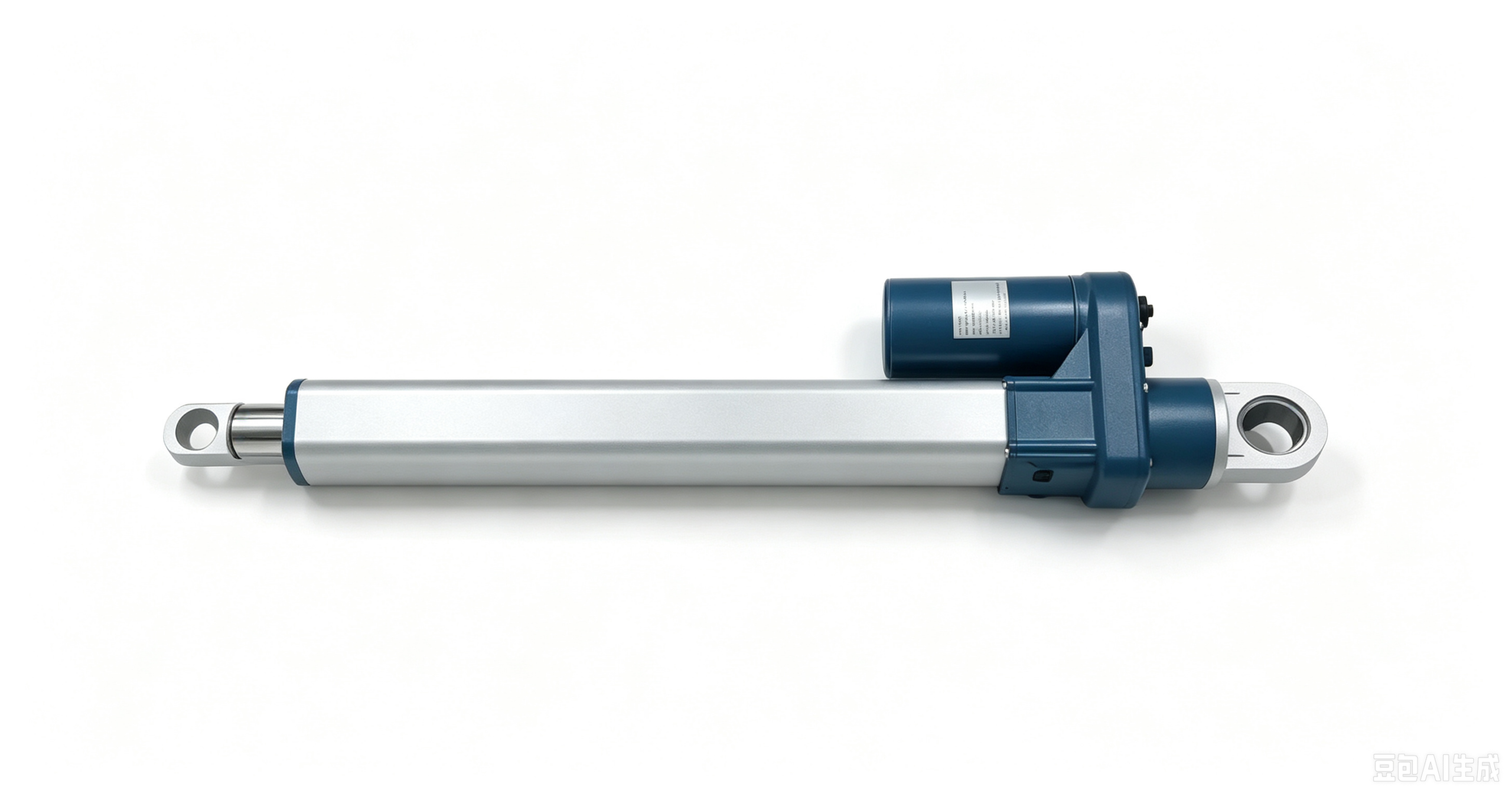
In the rapidly evolving landscape of modern agriculture, precision, efficiency, and automation have become the cornerstones of sustainable farming practices. Among the transformative technologies driving this revolution, agriculture linear actuators stand out as indispensable components that bridge the gap between traditional mechanical systems and smart, electrified farm operations. These electromechanical devices convert rotational motion into linear movement, offering farmers unparalleled control, reliability, and energy efficiency across a wide spectrum of agricultural machinery and infrastructure.
Unlike conventional hydraulic or pneumatic systems, electric linear actuators eliminate the need for complex fluid power infrastructure, reducing maintenance requirements and environmental contamination risks. With the global push toward precision agriculture and autonomous farming equipment, the adoption of agriculture linear actuators continues to accelerate, enabling farmers to optimize crop yields, reduce labor costs, and minimize resource waste. This comprehensive guide explores nine critical application areas where linear actuators are reshaping agricultural operations, providing detailed insights into their functionality, benefits, and real-world implementations.
1. Tractor Hitch and Suspension Systems
Overview and Technical Requirements
Industrial robotics represents one of the most visually striking and technically demanding applications for electric linear actuators. Modern robotic arms, whether six-axis articulated robots, SCARA systems, or collaborative robots (cobots), rely on precise motion control at every joint. While rotary actuators dominate many joint applications, linear actuators play equally critical roles in robot design—particularly for prismatic joints, end-effector extension mechanisms, and gripper actuation.
The technical requirements for robotic applications are stringent. Actuators must deliver high power density to minimize the moving mass of the robot, exhibit exceptional positioning repeatability (often in the range of ±0.01 mm or better), and provide smooth, vibration-free motion to prevent oscillation in the arm structure. Furthermore, robotic actuators must operate reliably through millions of cycles with minimal maintenance, as downtime in automated production lines can cost thousands of dollars per hour.
Application in Joint Drive and End-Effector Systems
In articulated robotic arms, linear actuators are frequently employed in the prismatic (linear) joints that provide radial extension or vertical lifting capabilities. For example, in a gantry robot or Cartesian coordinate robot, linear actuators form the fundamental structural and motion elements of the X, Y, and Z axes. These systems often use belt-driven or ball screw-driven linear modules that can span several meters while maintaining positioning accuracy.
The end-effector—the tool or gripper at the distal end of the robot—represents another critical application point. Electric linear actuators enable precise control of gripper opening and closing forces, allowing robots to handle delicate objects such as electronic components, glass vials, or fresh produce without damage. Unlike pneumatic grippers, which offer limited force control and require compressed air infrastructure, electric gripper actuators can be programmed with specific force profiles, speed curves, and position sequences. This programmability is essential in flexible manufacturing environments where the same robot may handle vastly different products within a single production shift.
Case Examples and Industry Practice
Consider the assembly of automotive engines, where robots equipped with electric linear actuators insert pistons into cylinder blocks. The actuator must guide the piston with sub-millimeter accuracy while providing real-time force feedback to detect misalignment or obstruction. Companies such as MecVel Srl have developed specialized electric linear actuators specifically optimized for robotic integration, featuring compact designs, hollow shafts for cable management, and standardized mounting interfaces compatible with major robot brands.
In the electronics industry, surface-mount technology (SMT) placement machines utilize high-speed linear actuators to position pick-and-place heads over circuit boards. These actuators operate at accelerations exceeding 5g while maintaining placement accuracy of ±0.05 mm. The absence of compressed air lines simplifies machine design and eliminates contamination risks in cleanroom environments where semiconductors are fabricated.
Educational and research robotics also benefit from accessible electric linear actuator technology. Publications such as Circuit Cellar have documented projects where hobbyists and engineers build functional robotic arms using standard electric linear actuators, demonstrating how the technology has democratized access to precision automation. These DIY projects often employ 12V or 24V DC linear actuators with potentiometer or Hall-effect feedback, controlled through Arduino or Raspberry Pi platforms, bridging the gap between industrial-grade systems and accessible educational tools.
The trajectory of robotic actuator development points toward increasing integration. Modern trends include the incorporation of torque sensors, absolute encoders, and EtherCAT communication directly into the actuator housing, creating “smart actuators” that reduce wiring complexity and enable advanced control algorithms such as impedance control and collision detection. As collaborative robots become more prevalent in human-robot shared workspaces, the precise force control offered by electric linear actuators becomes not merely advantageous but essential for safety.
Suitable Products:
OD26 heavy duty electric linear actuator linear motor actuator[email protected]2026-08-28T05:48:10+00:00
2. Seeders and Planters: Precision Seeding Technology

Modern seeding and planting equipment demands extraordinary precision to maximize germination rates and optimize plant populations. Agriculture linear actuators play a pivotal role in transforming conventional seeders into intelligent, variable-rate planting machines capable of adapting to real-time field conditions.
Seed Depth Optimization
Achieving optimal seed depth is fundamental to crop establishment. Seeds planted too shallow may dry out or fail to anchor properly, while excessive planting depth delays emergence and reduces vigor. Traditional mechanical depth adjustment systems rely on manual pin settings or spring-loaded mechanisms that offer limited precision and require frequent stops for adjustment. Agriculture linear actuators revolutionize this process by enabling continuous, automated depth modulation based on soil moisture sensors, compaction data, and prescription maps.
Electro-hydraulic and electromechanical actuator systems, such as those highlighted in applications for wireless seed depth control, demonstrate how agriculture linear actuators integrate with farm management information systems (FMIS). These systems utilize compact yet powerful linear actuators mounted on individual row units to adjust opener disc depth independently. When the planter encounters transitions between soil types—from heavy clay to sandy loam, for instance—the actuators automatically reposition the openers to maintain the target seed placement depth, typically within ±2mm accuracy.
Variable Rate Fertilization
Beyond seed placement, agriculture linear actuators control fertilizer metering mechanisms in modern planters. Variable-rate application technology relies on actuators to adjust metering gate openings, allowing precise control over fertilizer delivery rates that match crop requirements across different management zones. This capability reduces input costs while minimizing nutrient runoff, supporting both economic and environmental sustainability objectives.
Row Unit Down Pressure Management
Advanced planting systems utilize agriculture linear actuators to manage row unit down pressure dynamically. Maintaining appropriate ground contact force ensures consistent seed depth while preventing excessive soil compaction that could restrict root development. Linear actuators adjust down pressure systems in response to real-time load cell data, automatically increasing force in loose, fluffy soils and decreasing it in compacted conditions. This dynamic management system, powered by responsive electromechanical actuation, represents a significant advancement over static spring or air-bag systems.
Suitable Products:
OD26 heavy duty electric linear actuator linear motor actuator[email protected]2026-08-28T05:48:10+00:00
3. Center Pivot and Linear Move Irrigation Systems
Irrigation represents one of agriculture’s largest energy and water consumption activities, making system efficiency paramount. Agriculture linear actuators contribute to modern irrigation system automation, enhancing water distribution uniformity and operational reliability.
Pivot Tower Alignment
Center pivot irrigation systems consist of multiple spans connected by tower structures that rotate around a central water source. Maintaining precise alignment between tower sections is essential to prevent structural stress and ensure uniform water application. Electric linear actuators serve as steering mechanisms on individual towers, making micro-adjustments to wheel direction that keep the system properly aligned as it traverses the field.
China Yulin Irrigation Equipment Co., Ltd and other manufacturers utilize agriculture linear actuators in their linear move and pivot irrigation machines to provide reliable tower positioning. These actuators operate in harsh outdoor environments, exposed to constant moisture, UV radiation, and temperature extremes. High-quality linear actuators for irrigation applications feature stainless steel or aluminum construction with specialized sealing systems that prevent water ingress and corrosion.
Sprinkler Height Adjustment
Crop height varies significantly throughout the growing season, and optimal sprinkler height above the crop canopy affects droplet size, distribution pattern, and wind drift potential. Agriculture linear actuators mounted on pivot or linear move systems enable dynamic sprinkler height adjustment. Some advanced systems automatically raise or lower sprinkler packages based on crop growth stage data, ensuring consistent water application patterns from early-season emergence through mature canopy closure.
Valve and Flow Control
Irrigation zone management requires precise control over water flow rates and distribution timing. Agriculture linear actuators operate mainline valves, end guns, and sector control devices, enabling automated irrigation scheduling based on soil moisture sensor data and evapotranspiration calculations. The precise positioning capability of linear actuators allows partial valve opening for flow modulation, rather than simple on/off operation, contributing to pressure management and energy savings in pumping systems.
Nettuno Motor Pumps has integrated agriculture linear actuators into their linear and pivot irrigation system designs, demonstrating how electromechanical motion control enhances the reliability of water distribution infrastructure. The elimination of hydraulic pilot systems in favor of electric actuation reduces the risk of water contamination and simplifies system diagnostics.
Suitable Products:
OD26 heavy duty electric linear actuator linear motor actuator[email protected]2026-08-28T05:48:10+00:00
4. Livestock Feeding and Husbandry Automation
Modern livestock operations increasingly adopt automated systems to improve feed efficiency, animal welfare, and labor productivity. Agriculture linear actuators provide the reliable, hygienic motion control required in demanding barn and feeding facility environments.
Automated Feed Delivery Systems
Precision feeding systems for dairy cattle, swine, and poultry utilize agriculture linear actuators to control feed gate positions, ration delivery rates, and mixing auger operations. Electric actuation offers significant advantages in feed handling applications because it eliminates the risk of hydraulic fluid contamination that could render feed unsafe for consumption. The precise positioning of linear actuators enables accurate portion control, ensuring each animal or pen receives the formulated ration that supports optimal growth, milk production, or reproductive performance.
Feeding automation suppliers have documented how agriculture linear actuators optimize feeding routines by enabling programmable feed push-up systems, automated feed fence adjustments, and precise concentrate dispenser control. These systems operate reliably in dusty, high-ammonia environments where traditional mechanical linkages might corrode or bind.
Feeding Trough Height Adjustment
Different livestock groups—calves, heifers, lactating cows, or finishing hogs—require feeding troughs at different heights to ensure comfortable access while minimizing feed waste. Agriculture linear actuators mounted on adjustable trough supports enable rapid height repositioning between animal groups or growth stages. Low-noise electric actuators, such as those specified for livestock feeding equipment with operating noise levels below 50dB, prevent animal stress that might occur with louder hydraulic or pneumatic systems.
Ventilation and Curtain Control
Livestock facility ventilation directly impacts animal health, productivity, and energy costs. Tunnel ventilation inlets, side curtains, and chimney vents utilize agriculture linear actuators for automated positioning based on temperature, humidity, and air quality sensor data. During summer heat events, actuators rapidly open ventilation inlets and exhaust fans to maximize airflow; in winter, they modulate openings to maintain minimum ventilation rates that control humidity and ammonia levels without excessive heat loss.
Manure Handling Equipment
Automated manure scrapers, gutter cleaners, and compost turning equipment rely on agriculture linear actuators for positioning and operation control. The robust, sealed construction of agricultural-grade linear actuators withstands exposure to corrosive manure, high-pressure washdown procedures, and temperature extremes common in livestock facilities. Electric actuation eliminates the fire hazards associated with hydraulic systems in barn environments where methane and dust create potentially explosive atmospheres.
Suitable Products:
OD26 heavy duty electric linear actuator linear motor actuator[email protected]2026-08-28T05:48:10+00:00