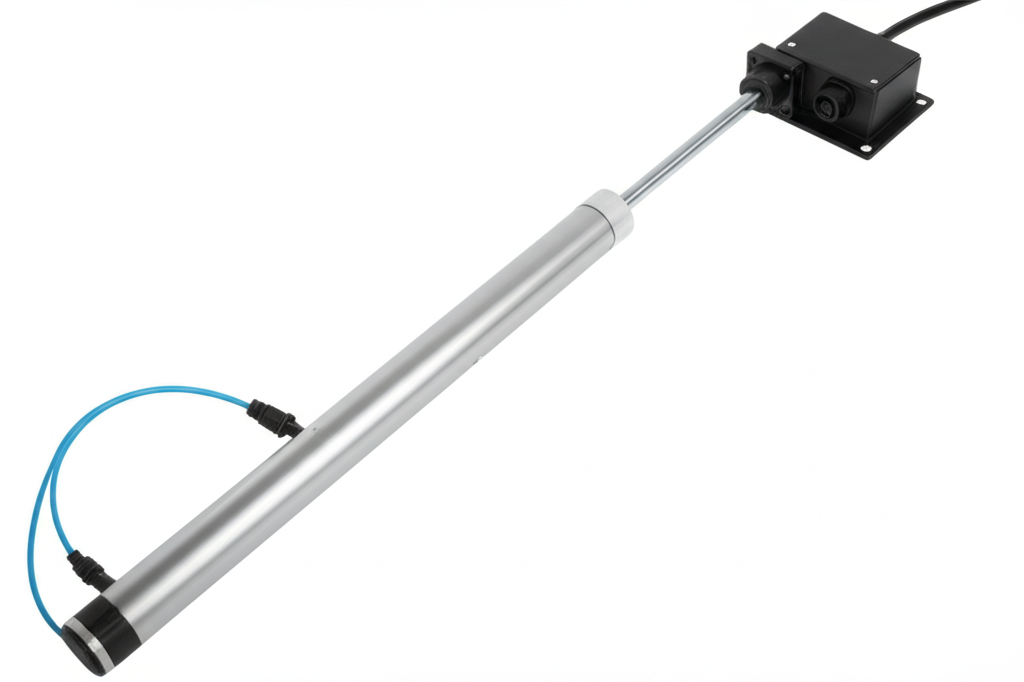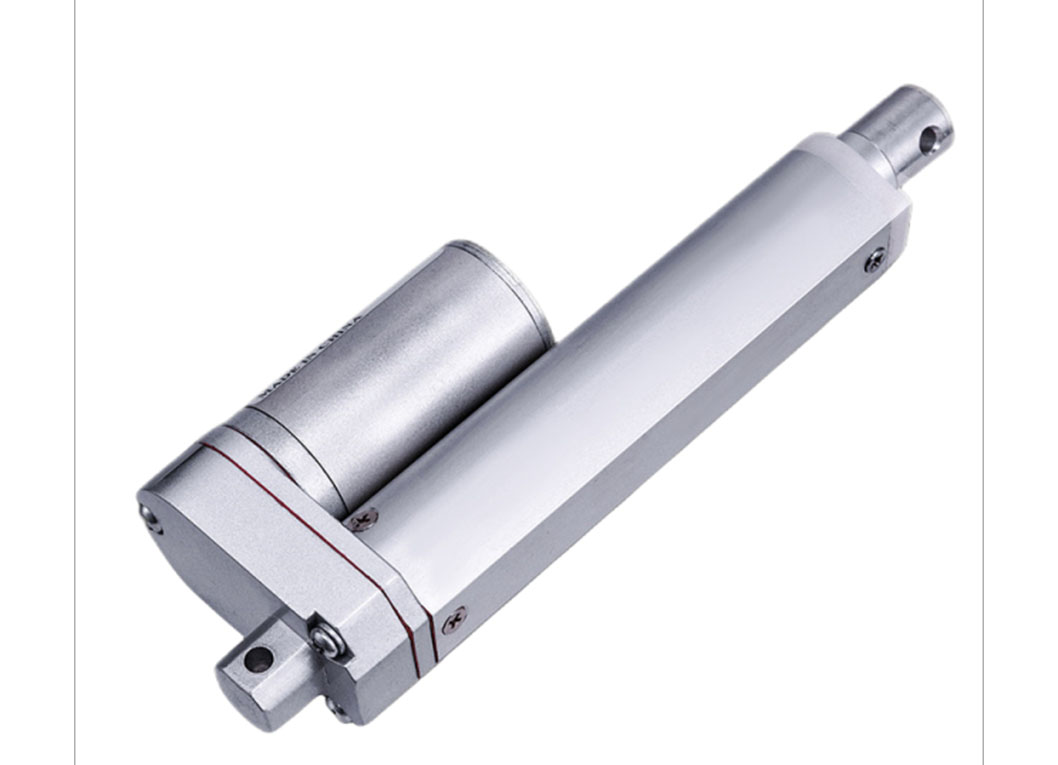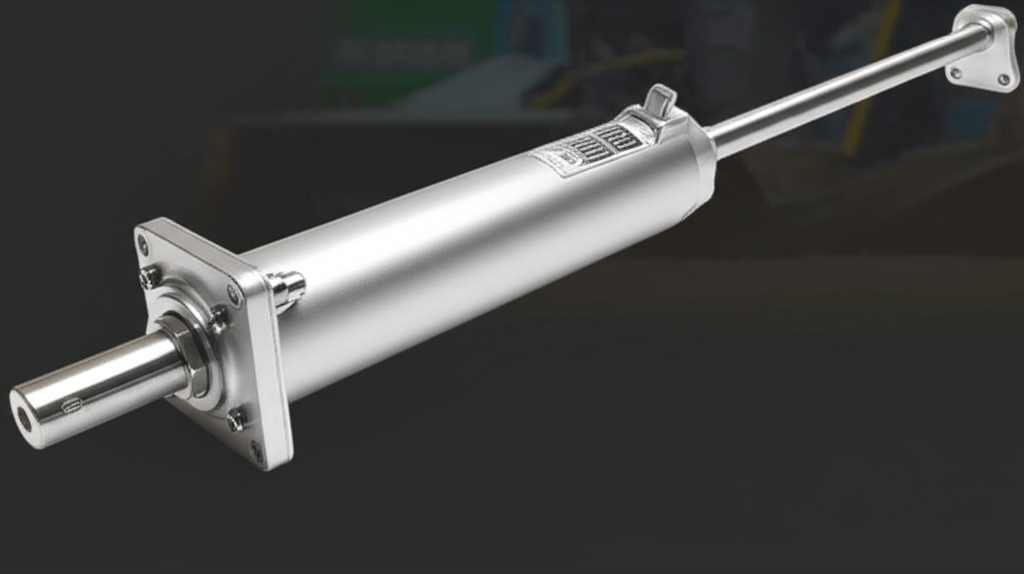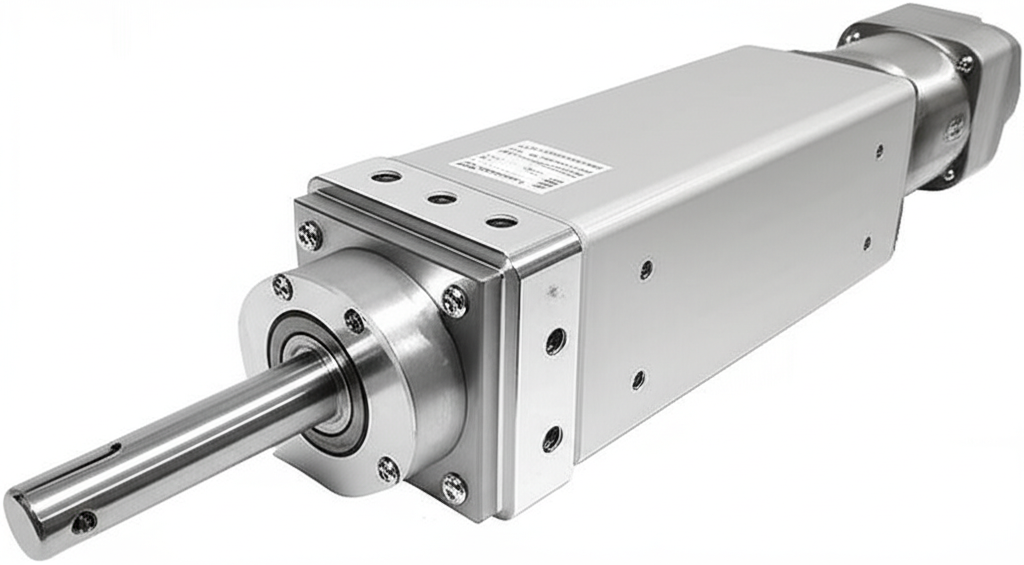
In today’s fiercely competitive automation market, manufacturers of servo linear actuators and electric cylinders face a persistent challenge: delivering high-performance motion control solutions at increasingly competitive price points while maintaining the reliability and precision that industrial customers demand. As industries ranging from automotive assembly to semiconductor manufacturing continue to adopt electric linear motion systems over traditional pneumatic and hydraulic alternatives, factory-level structural optimization has become the decisive factor separating market leaders from commodity producers. This article explores proven engineering and manufacturing strategies that enable electric cylinder factories to optimize product architecture, streamline production processes, and reduce material costs—all while preserving and even enhancing product quality.
Modular Platform Architecture: The Foundation of Cost-Quality Balance
The most impactful structural optimization begins at the design stage through the implementation of modular platform architectures. Rather than engineering every servo linear actuator as a unique custom product, leading manufacturers develop standardized core modules—motor housings, bearing supports, and guide systems—that can be configured across multiple product families with varying stroke lengths, thrust capacities, and mounting configurations.
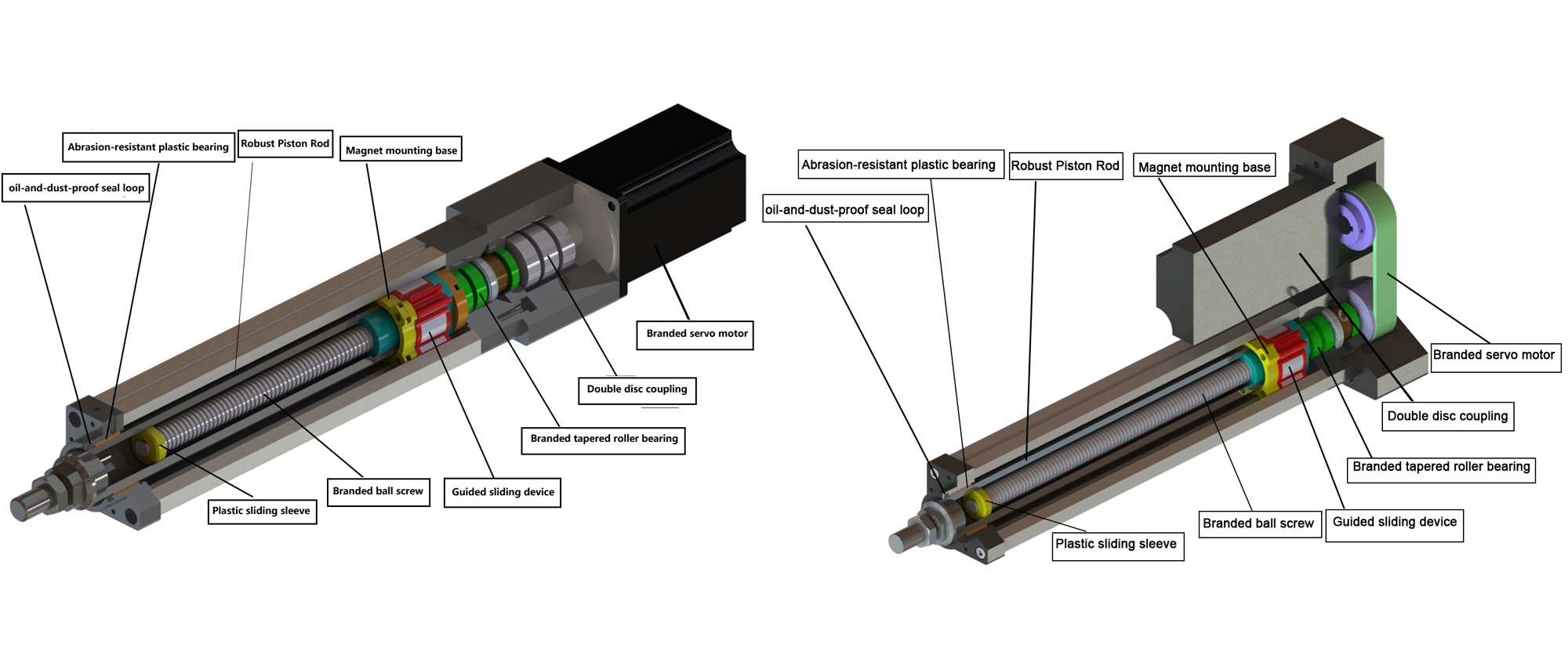

This modular approach delivers dual benefits. From a cost perspective, it dramatically reduces the number of unique parts requiring inventory management, tooling investment, and supplier qualification. A single extruded aluminum housing profile, for example, can be machined to different lengths to serve compact 100 mm stroke electric cylinders alongside extended 1,000 mm servo linear actuators. From a quality standpoint, modular platforms enable greater design validation depth; because core components see higher production volumes, statistical process control data becomes more robust, and potential failure modes are identified and eliminated earlier in the product lifecycle. The result is a product family that achieves economies of scale without the quality inconsistencies often associated with low-volume custom designs.
Intelligent Material Selection and Lightweighting
Structural optimization in modern electric cylinder manufacturing increasingly relies on advanced material substitution rather than simple material reduction. Traditional steel housings are being replaced by high-strength aluminum extrusions or engineered polymer composites in applications where extreme loads are not present. These materials offer excellent corrosion resistance, reduced overall weight, and often superior thermal dissipation characteristics compared to their steel counterparts.
However, material substitution must be executed with rigorous engineering discipline. Critical load-bearing components—such as piston rods, ball screws, and anti-rotate mechanisms—must retain appropriate safety margins, typically verified through finite element analysis (FEA) and accelerated life testing. By applying high-strength alloys selectively only where mechanical stresses concentrate, manufacturers can reduce raw material costs by 20–35% while maintaining or even improving fatigue life. Additionally, polymer-based sliding elements and self-lubricating bearings can replace traditional bronze or steel bushings in low-to-moderate load servo linear actuators, eliminating the need for external lubrication systems and reducing both component count and maintenance requirements.
Transmission System Integration and Simplification
The mechanical transmission represents one of the most significant cost and quality drivers in any electric cylinder. A conventional design might incorporate a separate servo motor, coupling, ball screw, and external bearing block—a configuration with multiple interfaces where misalignment, backlash, and assembly variation can degrade performance. Modern optimized structures integrate these elements into compact, pre-aligned assemblies.
By integrating the servo motor directly into the actuator housing and employing precision-machined internal threads or splines rather than discrete couplings, manufacturers eliminate alignment errors that cause premature wear and noise. For moderate-precision applications, trapezoidal lead screws with engineered polymer nuts offer a cost-effective alternative to precision ball screws, providing self-locking characteristics and acceptable efficiency at a fraction of the cost. Where ball screws remain necessary, selecting appropriately sized standard catalog offerings rather than custom-ground precision screws can reduce lead times and procurement costs by 40–50% while still meeting the positional accuracy requirements of most industrial automation tasks.
Manufacturing Process Automation and In-Process Quality Control
Structural optimization extends beyond the product itself into the factory floor. Advanced electric cylinder manufacturers implement cellular manufacturing layouts where complete actuator assemblies are produced in dedicated work cells rather than linear batch-and-queue systems. This reduces work-in-process inventory, minimizes handling damage, and enables single-piece flow that surfaces quality defects immediately.
Critical to cost-quality optimization is the integration of automated inspection at multiple production stages. Laser measurement systems verify rod straightness and surface finish; torque monitoring during assembly confirms proper bearing preload and screw engagement; and end-of-line functional testers validate position repeatability, thrust output, and current consumption against specification limits. By catching deviations early—before value-added operations are completed on a defective unit—manufacturers avoid the exponential cost of downstream rework or field failures. Statistical process control (SPC) charts tied to these inspection points provide continuous feedback that drives incremental design and process improvements.
Supply Chain Rationalization and Strategic Outsourcing
A factory’s cost structure is heavily influenced by its supply chain strategy. Optimized servo linear actuator manufacturers consolidate their supplier base for commodity components—seals, fasteners, and standard bearings—while developing strategic partnerships with specialized suppliers for critical items such as ground ball screws and servo motors. Volume commitments in exchange for preferred pricing, combined with vendor-managed inventory programs, reduce both unit costs and working capital requirements.
Concurrently, many manufacturers adopt a “make versus buy” analysis for subassemblies. Precision-machined motor end bells or complex housing castings may be outsourced to suppliers with specialized equipment and economies of scale, while final assembly, calibration, and testing remain in-house to protect proprietary intellectual property and ensure quality consistency. This hybrid model allows factories to focus capital investment on core competencies—assembly automation, testing infrastructure, and application engineering—rather than dispersing resources across general machining operations.
Design for Manufacturing and Assembly (DFMA)
Perhaps the most powerful structural optimization tool is the systematic application of Design for Manufacturing and Assembly (DFMA) principles. Every electric cylinder design is evaluated against metrics such as part count, assembly directionality, and fastening strategy. Snap-fit polymer retainers replace threaded fasteners where possible; symmetrical components eliminate orientation errors; and self-fixturing designs reduce the need for complex assembly jigs.
A well-executed DFMA initiative can reduce assembly time by 30–50% while simultaneously improving quality. Fewer parts mean fewer potential failure points and less dimensional variation accumulation. Simplified assembly sequences reduce the dependency on highly skilled technicians, lowering labor costs and improving production scalability. The resulting product is not only less expensive to manufacture but inherently more reliable because its structural simplicity reduces the opportunities for assembly-induced defects.
Conclusion
For manufacturers of servo linear actuators and electric cylinders, the path to competitive cost leadership does not run through corner-cutting or specification degradation. Instead, it is paved with intelligent structural optimization—modular architectures that leverage scale, advanced materials applied with engineering precision, integrated transmission designs that eliminate error sources, automated manufacturing with embedded quality verification, and supply chain strategies that align cost with capability. By embracing these methodologies, factories can deliver electric cylinders and servo linear actuators that meet or exceed the performance expectations of demanding industrial applications while achieving the cost structures necessary to thrive in global markets. In the end, the most successful manufacturers recognize that cost optimization and quality assurance are not opposing forces but complementary outcomes of superior engineering discipline.